Blog
Why Are My Eyes Twitching? Causes, Stress, Screen Time & When to See a Doctor

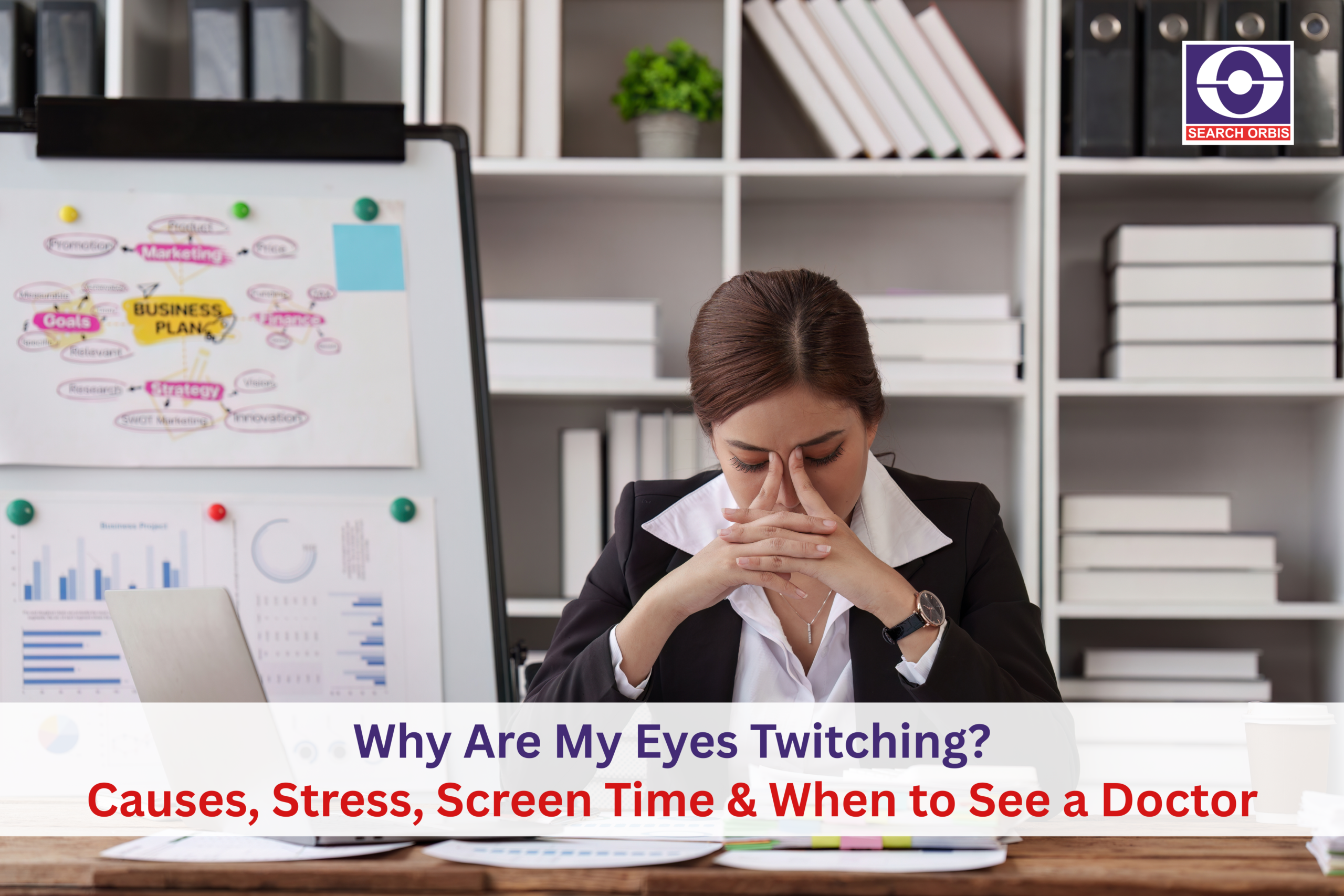
Have you ever experienced an annoying flutter or involuntary movement in your eyelid and wondered, “why is my eye twitching?” Eye twitching is a common condition that affects millions of people at some point in their lives. In most cases, it is harmless and temporary. However, persistent or recurring twitching may indicate underlying lifestyle factors or, in rare situations, a medical condition that requires professional attention.
Understanding the most common eye twitching causes can help you identify triggers, make appropriate lifestyle changes and know when it is time to seek medical advice. Factors such as stress, excessive screen exposure, inadequate sleep and nutritional imbalances often contribute to eyelid spasms.
At Search Orbis, we believe in providing accurate, evidence-based health information to help readers make informed decisions. This comprehensive guide explores the reasons behind eye twitching, effective prevention strategies, and warning signs that should not be ignored.
Understanding Eye Twitching
What Is Eye Twitching?
Eye twitching, medically known as eyelid myokymia, refers to involuntary muscle contractions around the eyelid. These spasms typically affect the upper eyelid but may occasionally occur in the lower eyelid as well.
Most episodes are mild and last only a few seconds or minutes. In some individuals, twitching may continue intermittently for days or even weeks.
Why Does It Happen?
The muscles controlling eyelid movement are highly sensitive and can react to various physical and emotional triggers. Small disruptions in sleep, stress levels, nutrition or eye health can stimulate nerve activity and cause temporary spasms.
Understanding these triggers is the first step toward managing symptoms effectively.
Common Eye Twitching Causes
Everyday Factors Behind Eyelid Spasms
Several lifestyle-related factors contribute to eye twitching.
The most common include:
- Stress
- Sleep deprivation
- Eye strain
- Excessive caffeine consumption
- Nutritional imbalances
- Dry eyes
Most cases improve once the underlying trigger is identified and addressed.
Temporary vs Persistent Twitching
Occasional twitching is usually harmless. However, frequent episodes lasting several weeks may require closer evaluation to rule out underlying concerns.
Stress and Its Impact on Eye Health
Stress-Related Eye Twitching
One of the leading causes of eyelid spasms is stress-related eye twitching. Emotional tension can affect the nervous system and increase muscle excitability.
When the body remains in a prolonged state of stress, involuntary muscle contractions may occur in various areas, including the eyelids.
Common Sources of Stress
- Workplace pressure
- Academic demands
- Financial concerns
- Family responsibilities
- Major life changes
Managing stress effectively often reduces twitching episodes significantly.
The Link Between Stress and Eye Twitching
The relationship between stress and eye twitching is well recognized by healthcare professionals.
Stress hormones can alter nerve function, increasing the likelihood of repetitive eyelid movements. Individuals who experience chronic stress may notice twitching becomes more frequent during emotionally demanding periods.
Screen Time and Modern Lifestyle Habits
Screen Time and Eye Strain
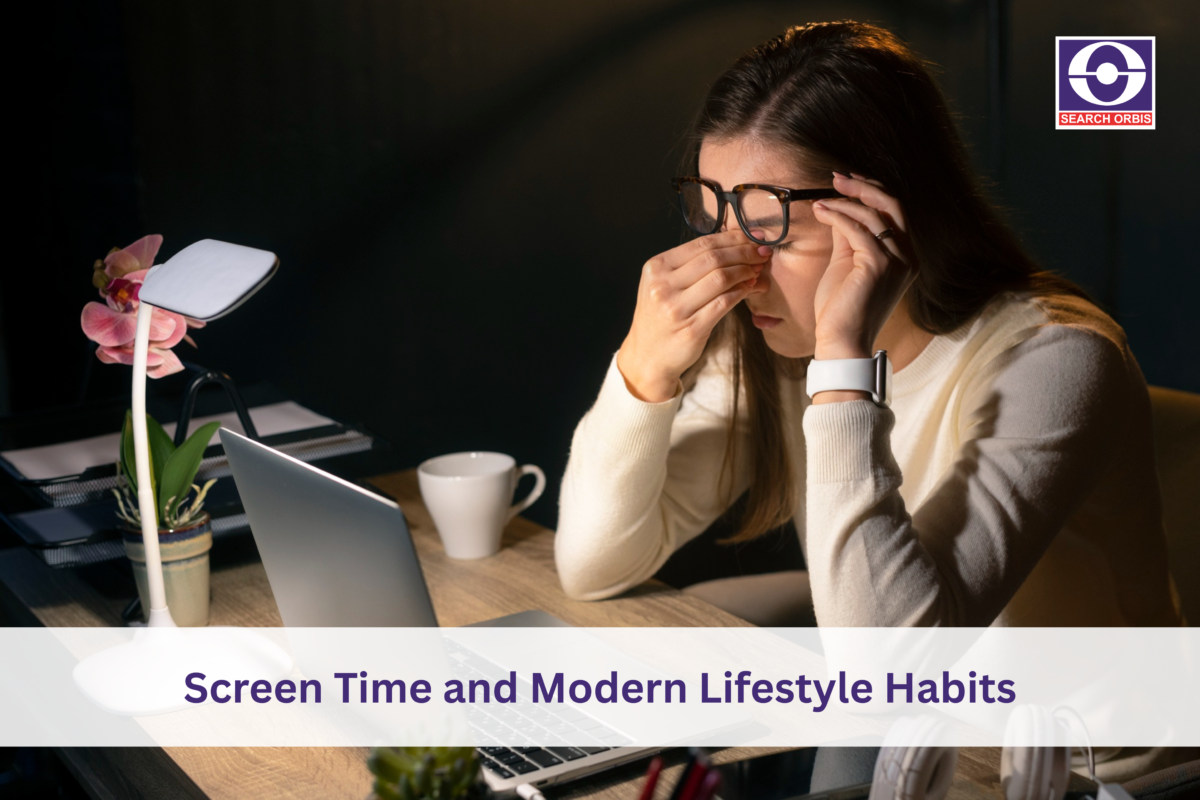
Digital devices have become an unavoidable part of modern life. Excessive exposure to screens contributes significantly to screen time and eye strain.
Extended periods of focusing on digital displays can overwork the eye muscles and increase fatigue.
Common symptoms include:
- Blurred vision
- Dry eyes
- Headaches
- Difficulty focusing
- Eye discomfort
Screen Time Eye Twitching
Many people experience screen time eye twitching after spending long hours working on computers, tablets or smartphones.
Why Screens Trigger Twitching
Several factors contribute:
- Reduced blinking frequency
- Eye muscle fatigue
- Increased visual demand
- Poor lighting conditions
- Inadequate breaks
Implementing healthier screen habits often provides noticeable relief.
Sleep Deprivation and Eye Twitching
Lack of Sleep and Fatigue
Sleep plays a critical role in nervous system regulation and muscle recovery.
One of the most overlooked eye twitching causes is lack of sleep and fatigue.
Insufficient rest may increase muscle sensitivity and contribute to involuntary eyelid spasms.
Eye Twitching and Lack of Sleep
The connection between eye twitching and lack of sleep becomes particularly noticeable during periods of sleep deprivation.
People who consistently sleep fewer than the recommended seven to nine hours per night may experience:
- Increased twitching frequency
- Reduced concentration
- Daytime fatigue
- Irritability
Improving sleep quality is often one of the simplest and most effective solutions.
Nutritional Factors That May Contribute
Nutritional Deficiencies and Muscle Function
Certain nutritional deficiencies can affect muscle and nerve function.
Low levels of key nutrients may contribute to muscle spasms throughout the body, including the eyelids.
Important Nutrients
- Magnesium
- Potassium
- Calcium
- Vitamin B12
- Vitamin D
A balanced diet supports healthy muscle contraction and nerve communication.
When Diet Plays a Role
Although deficiencies are not always the primary cause, they should be considered when twitching persists despite lifestyle improvements.
Healthcare providers may recommend testing if symptoms continue.
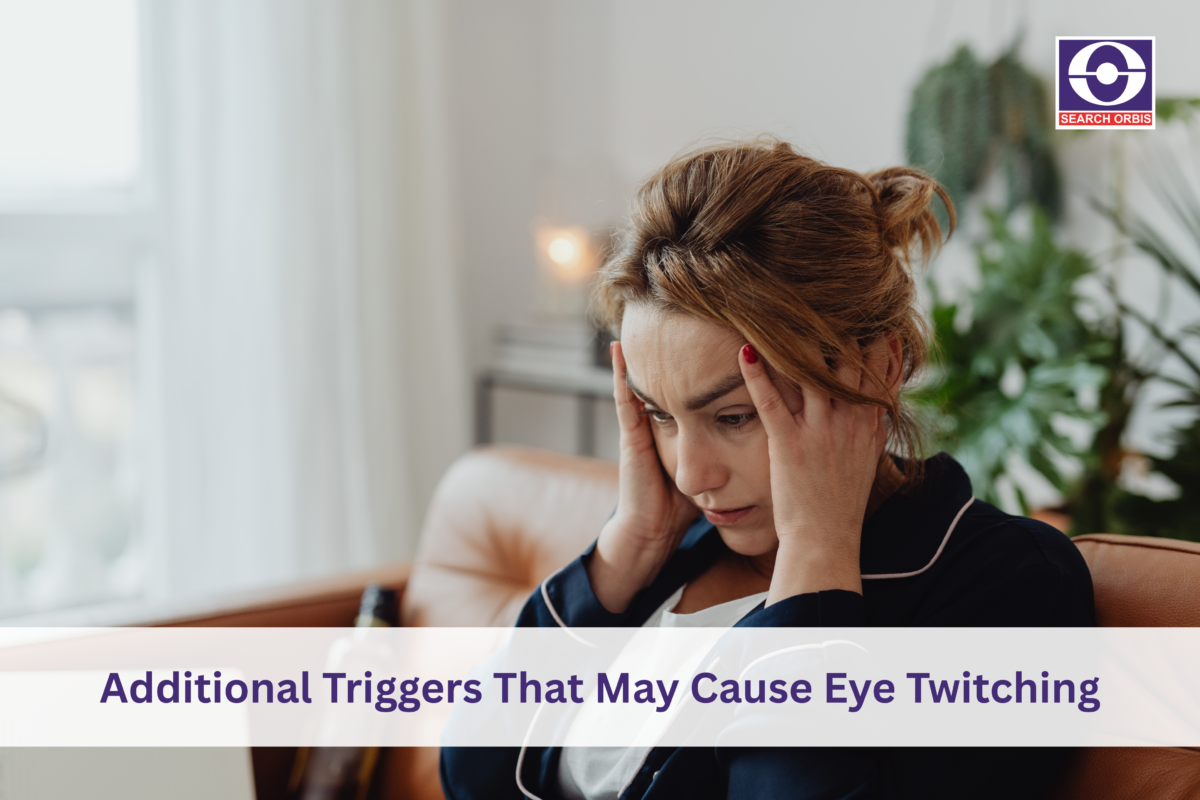
Additional Triggers That May Cause Eye Twitching
Excessive Caffeine Consumption
Caffeine stimulates the nervous system and may increase muscle activity.
Individuals sensitive to caffeine may notice twitching after consuming:
- Coffee
- Energy drinks
- Certain teas
- Pre-workout supplements
Reducing intake often helps alleviate symptoms.
Dry Eye Syndrome
Dry eyes can irritate the eyelid muscles and trigger spasms.
This condition is particularly common among:
- Older adults
- Contact lens users
- Frequent screen users
Appropriate eye care may reduce irritation and discomfort.
Eye Irritation and Allergies
Environmental irritants can also contribute to twitching.
Common triggers include:
- Dust
- Smoke
- Allergens
- Air pollution
Addressing the source of irritation may provide relief.
How to Stop Eye Twitching Naturally
Lifestyle Changes That Can Help
Many people want to know how to stop eye twitching without medication.
Fortunately, several simple strategies can be effective.
Practical Solutions
- Prioritize sleep
- Reduce stress levels
- Take screen breaks
- Stay hydrated
- Limit caffeine intake
- Eat a nutrient-rich diet
Consistency is key when implementing these changes.
The 20-20-20 Rule
To reduce digital eye strain:
Every 20 minutes, look at something 20 feet away for at least 20 seconds.
This simple technique helps relax eye muscles and reduce fatigue.
When Eye Twitching Requires Medical Attention
Warning Signs You Should Not Ignore
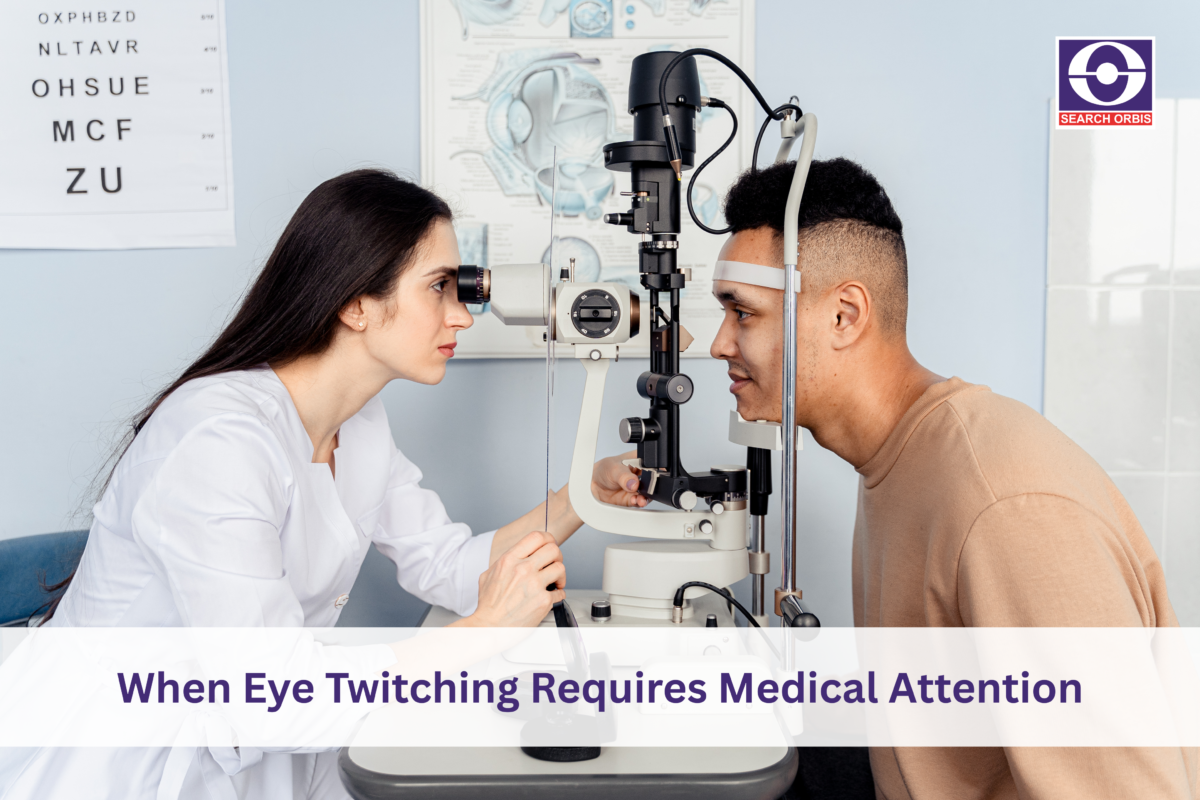
Although most cases are harmless, there are situations where when eye twitching requires medical attention becomes an important consideration.
Seek professional evaluation if:
- Twitching lasts longer than several weeks
- The entire face becomes involved
- Eyelid closure becomes difficult
- Vision changes occur
- Significant redness or swelling develops
When to See a Doctor for Eye Twitching
Knowing when to see a doctor for eye twitching can help prevent delays in diagnosis.
Persistent symptoms may occasionally be associated with neurological or muscular disorders requiring specialized care.
Early evaluation is especially important when additional symptoms are present.
How Healthcare Professionals Diagnose Persistent Eye Twitching
Medical Assessment Process
Healthcare providers typically review:
- Medical history
- Lifestyle habits
- Sleep patterns
- Medication use
- Nutritional status
A thorough examination helps identify potential causes and determine whether further testing is necessary.
Treatment Options
Treatment depends on the underlying trigger.
Possible approaches include:
- Lifestyle modifications
- Nutritional support
- Managing dry eye symptoms
- Stress reduction techniques
- Specialist referral when appropriate
Most individuals experience improvement once contributing factors are addressed.
Preventing Future Episodes
Developing Healthy Habits
Preventing eye twitching often involves maintaining healthy daily routines.
Key strategies include:
- Consistent sleep schedules
- Stress management practices
- Regular physical activity
- Balanced nutrition
- Proper eye care
Monitoring Your Triggers
Keeping track of when twitching occurs may help identify patterns.
Many people discover specific triggers related to sleep, stress, screen use or caffeine consumption.
Frequently Asked Questions (FAQs)
Q1: Is eye twitching usually serious?
No. Most cases are temporary and related to lifestyle factors such as stress, fatigue or eye strain.
Q2: Can stress cause eye twitching?
Yes. Stress is one of the most common triggers for eyelid spasms.
Q3: Does screen use make eye twitching worse?
Extended digital device use can contribute to eye fatigue and increase the likelihood of twitching.
Q4: Can lack of sleep trigger eye twitching?
Yes. Sleep deprivation is strongly associated with increased muscle irritability and eyelid spasms.
Q5: Should I worry if my eye has been twitching for weeks?
Persistent twitching should be evaluated by a healthcare professional, particularly if other symptoms are present.
Q6: What vitamins help reduce eye twitching?
Magnesium, calcium, potassium, and Vitamin B12 may support healthy muscle and nerve function when deficiencies exist.
Q7: Can dehydration contribute to eye twitching?
Dehydration may affect muscle function and potentially contribute to twitching in some individuals.
Conclusion
Experiencing occasional eyelid spasms can be frustrating, but most eye twitching causes are linked to manageable lifestyle factors such as stress, excessive screen exposure, inadequate sleep, or nutritional imbalances. By understanding the underlying triggers and making healthy adjustments, many people can significantly reduce or eliminate symptoms.
At Search Orbis, we emphasize evidence-based health information that empowers readers to take proactive steps toward better well-being. If twitching becomes persistent, worsens over time, or is accompanied by other concerning symptoms, consulting a healthcare professional is the safest course of action. Early evaluation can provide reassurance, identify underlying conditions and ensure appropriate treatment when necessary.
Related Posts
Glaucoma: Early Warning Signs, Risk Factors & Treatment Options
-
Posted by
 Search Orbis
How Diabetes Affects Your Eyes: A Complete Guide to Diabetic Eye Disease
-
Posted by
Search Orbis
Why Is My Vision Blurry? 10 Common Causes Explained
-
Posted by
Search Orbis
Eye Floaters: When Are They Normal and When Should You Worry?
-
Posted by
Search Orbis
Digital Eye Strain in 2026: Screen-Time Eyes, Reduced Blinking and the New “Work-From-Anywhere” Dryness Problem
-
Posted by
Search Orbis