Blog
Dry Eyes Causes — Lifestyle, Digital Habits, Age & Environment Explained
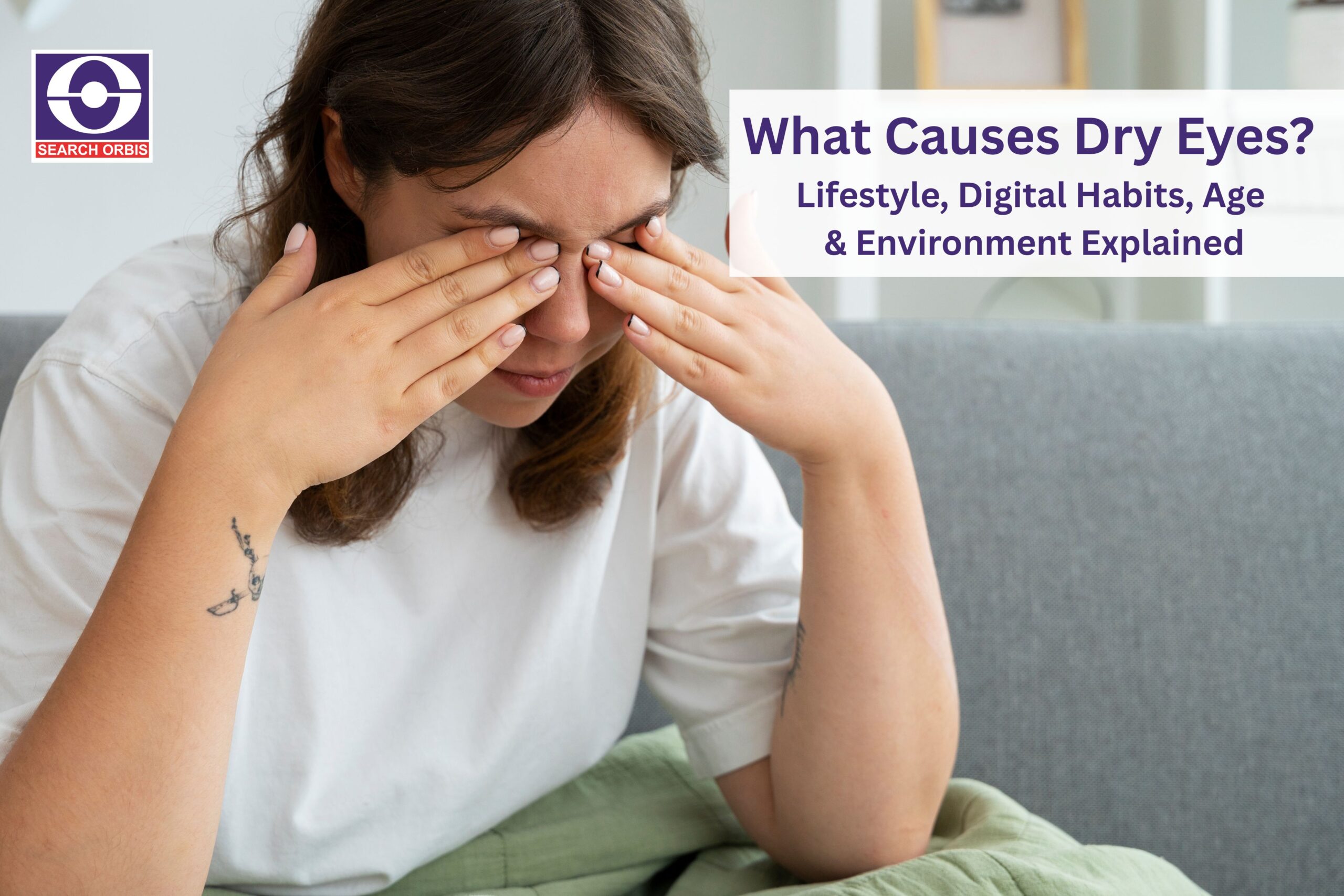
Dry eye issues are becoming more common than ever, especially with increasing screen time and changing environments. Understanding Dry Eyes Causes helps you take better care of
your vision and prevent long-term discomfort. This guide discusses lifestyle factors, digital habits, aging effects and environmental triggers that contribute to dryness. It also covers
eye-friendly practices, treatments and helpful FAQs for maintaining healthy eyes daily.
Understanding the Core Dry Eyes Causes
What Happens Inside the Eye?
Dryness occurs when your eyes don’t produce enough tears or when your tears evaporate too quickly. Healthy tears rely on balanced oil, mucus, and water layers. When any of these
are disrupted—due to age, lifestyle, or medical conditions—dryness, irritation, and blurred vision appear. Many people turn to ophthalmic products or natural remedies to replenish lost
moisture, though the root cause must be identified for long-term relief.
Lifestyle-Related Dry Eyes Causes
Reduced Blinking & Indoor Habits
Daily routines strongly influence eye hydration. When focusing on tasks like reading or driving, blink rate drops by up to 50%. A reduced blink rate leads to faster tear evaporation
and dryness. Indoor heating, air conditioning, and overhead fans also dry out your eye surface.
Poor Sleep & Hydration Levels
Mild dehydration triggers saltier tear composition, making them less effective. Lack of quality sleep also impairs tear gland function. To counter these factors, many people use eye care
solutions designed to support long-term lubrication.
Digital Habits as Major Dry Eyes Causes
Digital Eye Strain and Tear Evaporation
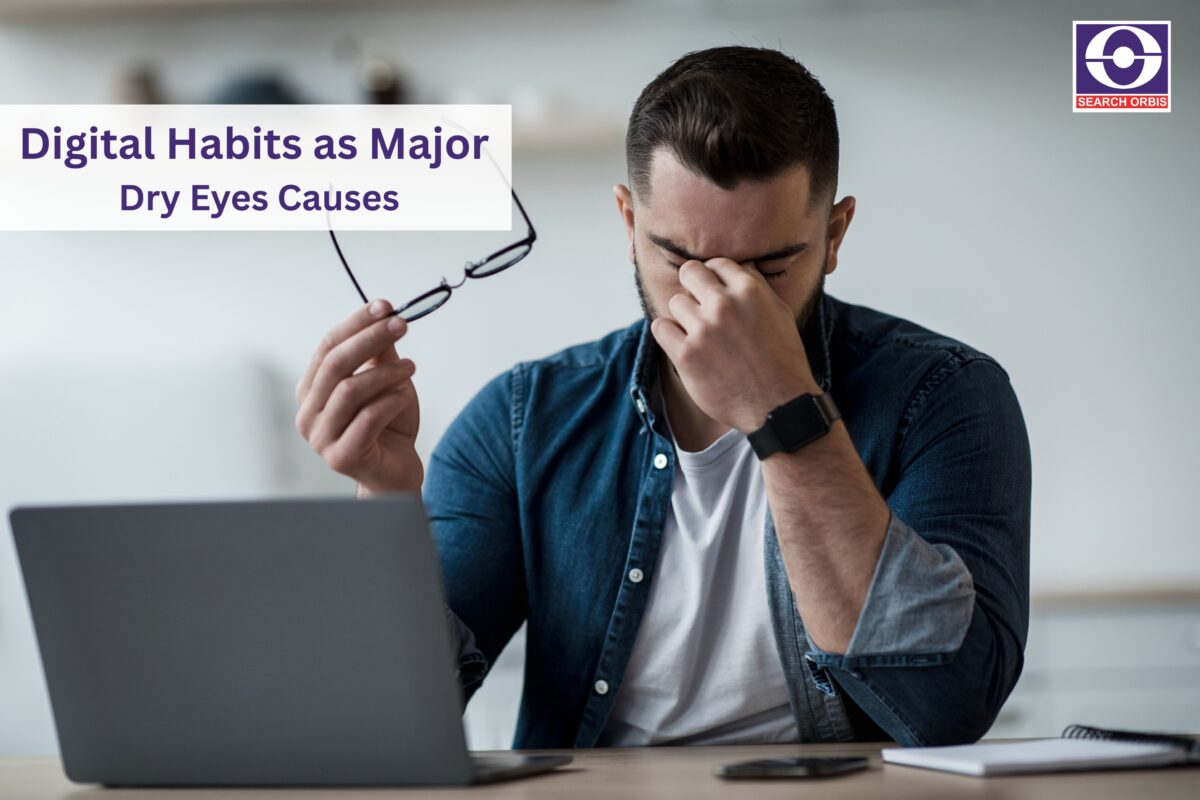
Spending long hours on screens directly impacts eye moisture. Screens reduce natural blinking, causing rapid evaporation and irritation. This is why digital eye strain treatment has
become essential in workplaces and for students.
Blue Light Exposure
Excessive exposure to digital blue light disrupts tear film stability. Though blue light isn’t the sole cause of dryness, it aggravates discomfort when combined with intense screen time.
Age-Related Dry Eyes Causes
Hormonal Changes & Tear Gland Slowdown
Aging reduces natural tear production. Hormonal changes, especially in women during menopause, also decrease moisture levels. This is why older adults frequently seek dry eye
treatment options to maintain daily comfort.
Age-Linked Eye Conditions
Conditions common in older age—such as early-stage glaucoma—result in medication side effects or pressure-related dryness. Understanding glaucoma early symptoms can help
minimize complications that worsen eye discomfort.
Environmental Dry Eyes Causes
Climate & Seasonal Factors
Windy weather, low humidity, and cold climates accelerate tear evaporation. Pollution and allergens further inflame the eye surface, resulting in redness, irritation and dryness.
Workplace Environments
Dust-filled factories, chemical exposure, or extended time under bright lighting are strong contributors to dryness. Workers often rely on eye ointments to soothe irritation at the end
of the day.
Medical Dry Eyes Causes
Eye Infections & Allergic Reactions
Certain common eye infections weaken tear glands or disrupt tear quality. Allergic reactions also cause inflammation that interferes with normal tear production.
Post-Surgical Conditions
Refractive procedures, cataract operations, and other eye surgeries may temporarily disturb tear production. Good post-surgical eye care ensures faster healing and reduces the chances
of prolonged dryness.
Less Common But Significant Dry Eyes Causes
Autoimmune Disorders
Conditions like Sjögren’s syndrome or rheumatoid arthritis affect moisture glands across the body, including tear glands.
Medication Side Effects
Antihistamines, antidepressants, and acne medications often reduce moisture levels. Understanding your prescriptions helps address dryness early.
How to Prevent and Manage Dry Eye Symptoms
Improve Everyday Habits
- Follow the 20-20-20 rule for screens
- Increase indoor humidity
- Blink consciously during focused tasks
- Stay hydrated throughout the day
Use Supportive Eye Products Wisely
Choosing the best eye drops in India or trusted moisturizing solutions can improve comfort.Always check products approved by certified brands or an ophthalmic pharmaceutical
company for safety.
Explore Natural & Alternative Care
Some individuals incorporate Ayurvedic eye care methods or herbal compresses for added relief. Always consult an eye specialist before starting new treatments.
Nutrition and Supplements That Support Eye Moisture
Essential Nutrients
Omega-3 fatty acids, vitamin A, and antioxidants support healthy tear production. Many people use retina health supplements to enhance eye lubrication and overall vision wellness.
Choosing Safe Supplements
Before starting any supplement, ensure quality certification and medical advice, especially if you’re already receiving treatment for dryness or eye pressure issues.
Additional Eye Conditions Often Connected to Dryness
Cataract and Vision Changes
Several patients notice dryness before or after cataract-related issues. Following proper cataract care tips helps maintain clarity and comfort.
Infection or Irritation-Linked Symptoms
Inflammation or lingering infection can reduce tear production. Identifying and treating issues early prevent long-term dryness.
When to See an Eye Doctor
Warning Signs
Seek medical help if you notice:
- Persistent dryness lasting more than two weeks
- Redness that worsens
- Light sensitivity
- Sudden blurred vision
- Pain or discharge
Dryness may signal underlying issues requiring specialist care.
FAQs on Dry Eyes Causes
1. Can staring at screens all day really cause dry eyes?
Yes. Screens reduce blinking, increasing evaporation and irritation.
2. Do dry eyes go away on their own?
Mild dryness may improve, but chronic cases require treatment and lifestyle changes.
3. Are dry eyes linked to aging?
Absolutely. Tear production naturally decreases as we age.
4. Do eye surgeries cause dryness?
Some surgeries can temporarily disrupt tear balance, but proper postoperative care helps.
5. Can diet improve dry eyes?
Foods rich in omega-3s and hydration can support healthy tear production.
6. Are dry eyes dangerous if untreated?
Chronic dryness may damage the corneal surface and impact long-term vision.
Conclusion — Understanding Dry Eyes Causes Helps You Protect Your Vision
Dryness is more than discomfort—it’s a signal that your eyes need better care. By understanding the main Dry Eyes Causes, you can make lifestyle improvements, enhance
your digital habits, and protect your sight as you age. Whether it’s environmental changes, screen exposure, or medical issues, preventive steps and timely care ensure lasting eye
health.
Related Posts
Preservative-Free Eye Drops: Who Needs Them, When They Matter, and How to Read Labels Like a Pro
-
Posted by
Search Orbis
Meibomian Gland Dysfunction (MGD): The Hidden Cause Behind “Watery Eyes” & Burning — Best Drop Formats That Actually Help
-
Posted by
Types of Dry Eye Disease: Not “Just Dryness” — Aqueous, Evaporative, Mixed & Choosing the Right Eye Drops
-
Posted by
Ayurvedic Eye Care: Benefits of Using Herbal Eye Drops Daily
-
Posted by