
Blog
Post Surgery Eye Care: Dryness, Healing Support and Safe Eye Drop Practices

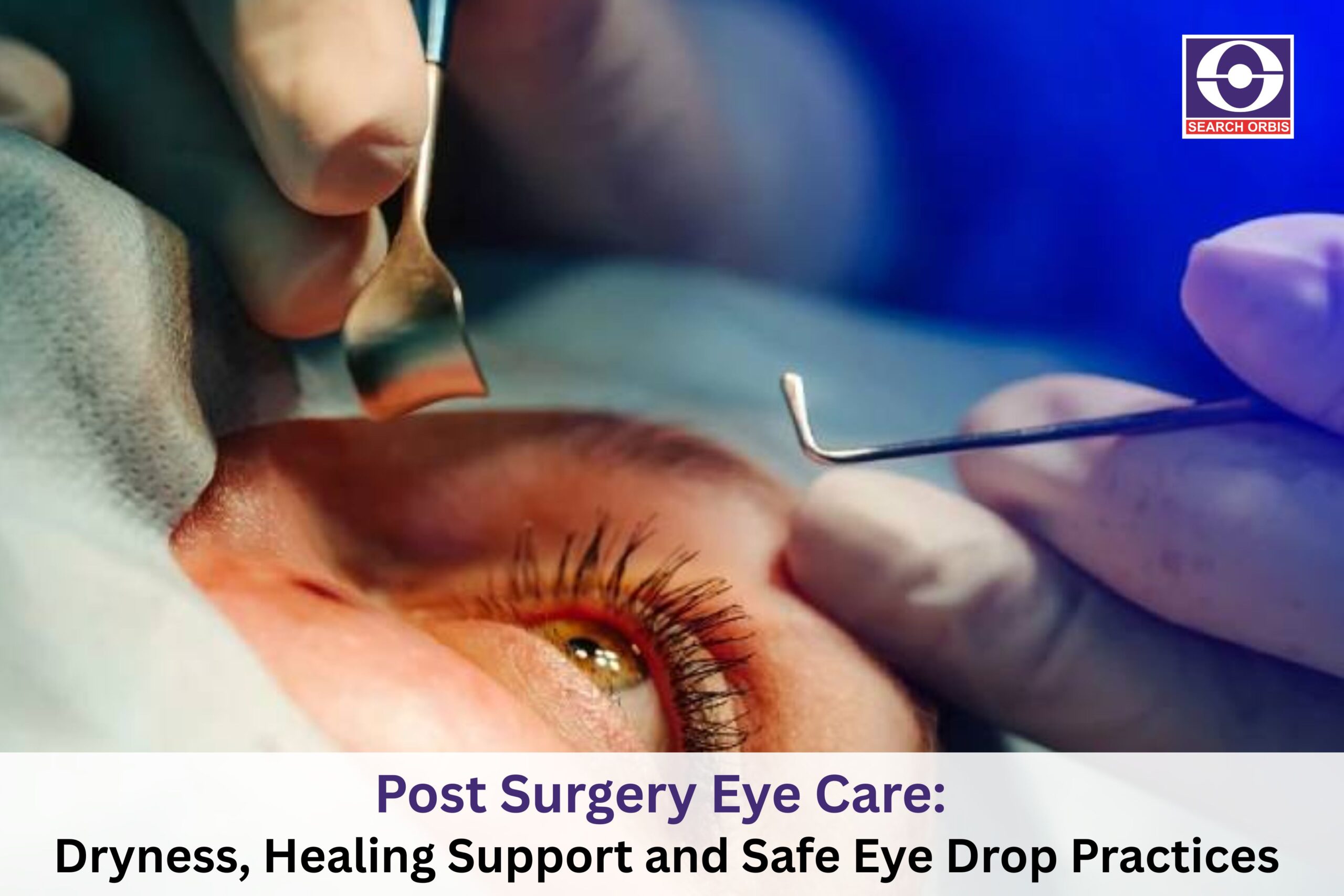
Eye surgeries like LASIK and cataract surgery have helped millions of people all over the world see better and more clearly. But not only does the surgery have to go well, but so does the right Post Surgery Eye Care. To speed up healing, avoid complications and get the best possible vision results, it is very important to follow the right post-operative care routine.
After eye surgery, the eyes become sensitive and vulnerable to irritation, dryness and infection. Following the right care routine ensures faster healing, reduced complications and long-term visual stability.
During the healing process, many patients have temporary symptoms like blurred vision, dryness or mild pain. These symptoms get better over time with the right care. Patients can protect their eyes while they heal by learning the right ways to take care of their hygiene, medications and lifestyle changes.
Organizations like Search Orbis emphasize the importance of patient education regarding post surgery eye care to support better recovery and long-term eye health.
Understanding Post Surgery Eye Care and the Healing Process
Why Post Surgery Eye Care Is Essential for Recovery
Eye surgeries involve precise changes to the cornea or lens of the eye. After the procedure, tissues need time to heal and stabilize.
Proper post surgery eye care supports the healing process by:
- Preventing infections
- Reducing inflammation
- Protecting the eye from environmental irritants
- Supporting tissue regeneration
Without proper care, patients may experience complications such as irritation, delayed healing or vision instability.
Following medical instructions carefully ensures the best results after surgery.
How the Eye Heals After Surgery
The healing process varies depending on the type of surgery performed.
For example, eye care after LASIK surgery focuses on protecting the corneal flap while the eye stabilizes. Vision may fluctuate slightly during the first few weeks.
On the other hand, cataract surgery aftercare involves adjusting to the artificial intraocular lens placed during surgery. Vision gradually becomes clearer as the eye heals.
In both cases, proper post surgery eye care plays a crucial role in maintaining eye health and visual clarity.

Managing Dryness During Post Surgery Eye Care
Why Dry Eyes Occur After Eye Surgery
After eye surgery, dry eyes are one of the most common symptoms of recovery. Surgery can temporarily change how tears are made or how nerve signals send lubrication.
Patients may notice:
- A gritty sensation in the eye
- Burning or itching
- Temporary blurred vision
- Increased sensitivity to light
These symptoms usually improve as the eye heals.
Practical Tips to Reduce Dryness
Managing dryness is an important part of post surgery eye care. Doctors often recommend artificial tears or lubricating eye drops to keep the eye moist.
Additional strategies include:
- Avoiding prolonged screen time
- Staying hydrated
- Using humidifiers in dry environments
- Wearing protective sunglasses outdoors
These measures help reduce irritation and support faster healing.
Safe Use of Eye Drops in Post Surgery Eye Care
Importance of Eye Drops After Surgery
Eye drops are a key component of post surgery eye care. They help reduce inflammation, prevent infection and keep the eye hydrated during the recovery phase.
Patients undergoing LASIK often receive specific instructions for eye drops after LASIK, which typically include antibiotic and lubricating drops.
Similarly, individuals recovering from cataract procedures must use safe eye drops after cataract surgery to prevent complications and maintain comfort.
Correct Method for Applying Eye Drops
Using eye drops correctly ensures effectiveness and prevents contamination.
Follow these steps:
1. Wash hands thoroughly before touching the eye area.
2. Tilt your head back slightly.
3. Pull down the lower eyelid gently.
4. Apply the prescribed number of drops.
5. Avoid touching the bottle tip to the eye.
Maintaining hygiene while using eye drops is essential for successful post surgery eye care.
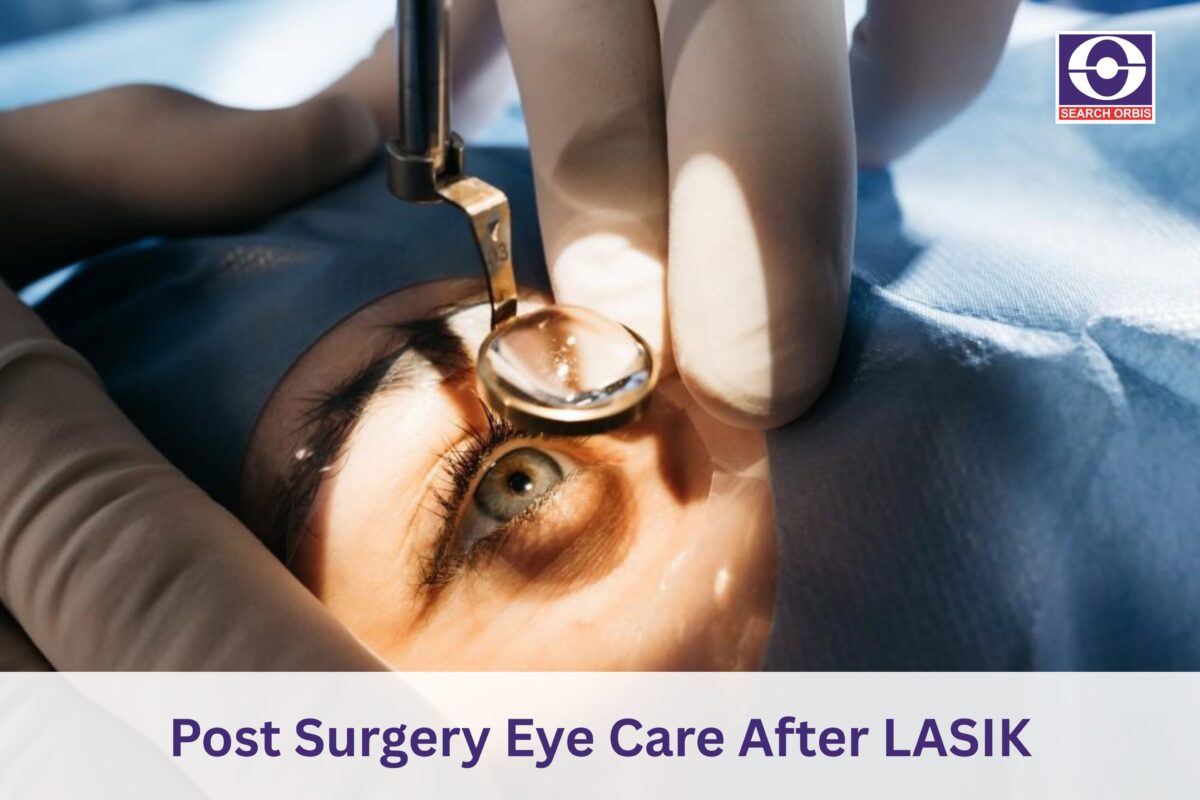
Post Surgery Eye Care After LASIK
Protecting Vision During LASIK Recovery
The first few days after LASIK are crucial for healing. Patients must avoid rubbing their eyes and follow prescribed medication schedules.
Doctors commonly recommend protective shields while sleeping to prevent accidental pressure on the eyes.
Several LASIK recovery tips help patients achieve optimal results.
Daily Habits That Support LASIK Healing
Patients recovering from LASIK should:
- Rest their eyes regularly
- Avoid swimming pools and hot tubs
- Limit screen exposure for the first few days
- Wear sunglasses in bright environments
These practices reduce irritation and promote faster healing.
Proper post surgery eye care ensures that the corneal surface stabilizes and vision improves gradually.
Post Surgery Eye Care After Cataract Surgery
Adjusting to Improved Vision
Cataract surgery replaces the clouded natural lens with a clear artificial lens. Most patients notice significant improvement in vision within a few days.
However, proper cataract surgery aftercare remains essential for protecting the eye during recovery.
Precautions to Follow After Cataract Surgery
Patients should:
- Avoid lifting heavy objects for several weeks
- Prevent water or soap from entering the eye
- Wear protective eyewear outdoors
- Attend follow-up appointments with the doctor
Following these precautions supports proper post surgery eye care and reduces the risk of complications.
Lifestyle Adjustments During Post Surgery Eye Care
Protecting Eyes From Environmental Irritation
Environmental factors such as dust, pollution and bright sunlight can irritate healing eyes.
Patients should:
- Wear UV-protective sunglasses
- Avoid dusty environments
- Limit exposure to strong wind
These precautions support healing and prevent discomfort.
Supporting Healing Through Healthy Habits
Healthy lifestyle choices also contribute to effective post surgery eye care.
Patients should maintain:
- Balanced nutrition rich in vitamins
- Adequate sleep for tissue recovery
- Regular hydration
These habits improve overall eye health and recovery outcomes.
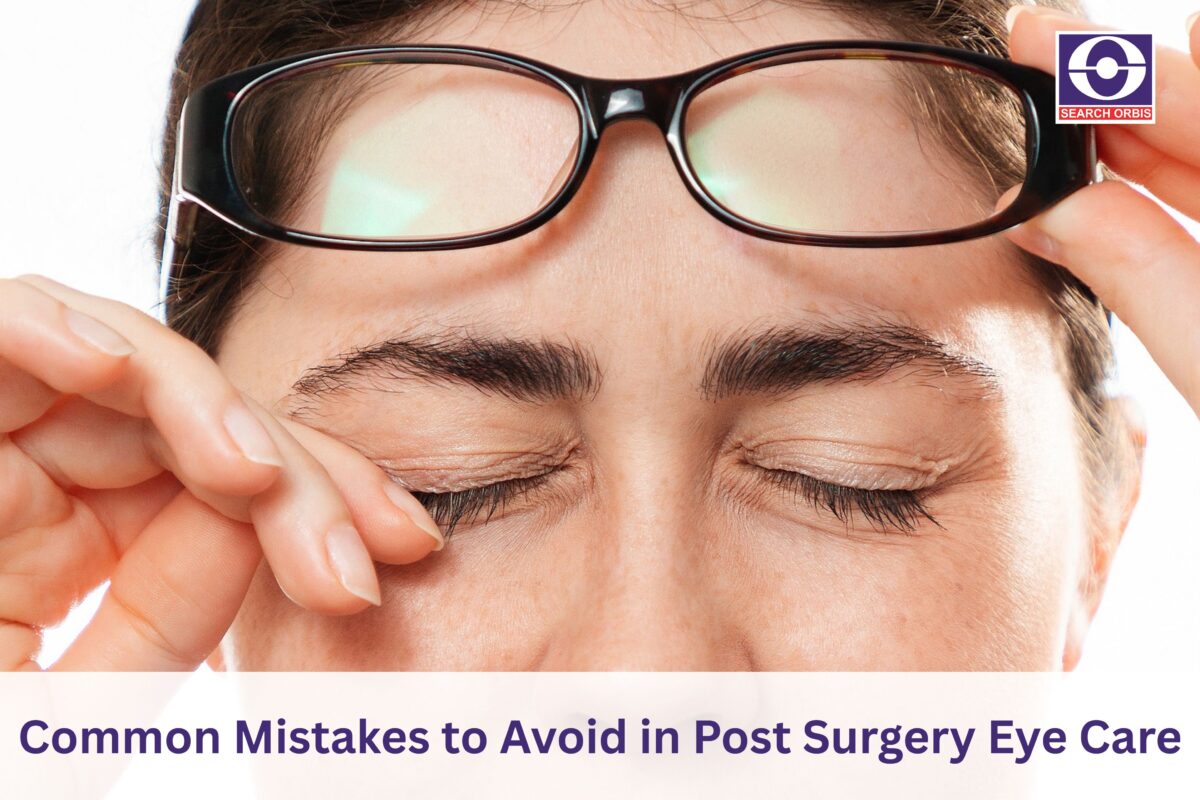
Common Mistakes to Avoid in Post Surgery Eye Care
Ignoring Medical Instructions
Skipping medications or missing follow-up appointments can slow recovery. Patients should carefully follow the treatment plan provided by their eye specialist.
Touching or Rubbing the Eyes
Rubbing the eyes after surgery can disturb healing tissues and increase the risk of infection.
Avoiding unnecessary contact with the eyes is a fundamental rule of post surgery eye care.
How Search Orbis Promotes Eye Health Awareness
Educational Resources for Patients
Search Orbis gives people useful information and tools to help them learn about eye health and how to get better.
Patients learn about safe post-surgery care routines through educational materials and advice.
Supporting Informed Health Decisions
By promoting awareness about post surgery eye care, Search Orbis helps patients make informed decisions about recovery and long-term eye protection.
Proper knowledge empowers patients to maintain healthy vision and avoid preventable complications.
Frequently Asked Questions About Post Surgery Eye Care
Q1. How long does post surgery eye care last after LASIK?
Recovery after LASIK typically takes a few weeks, although vision stabilization may continue for several months.
Q2. Is dryness normal after eye surgery?
Yes, temporary dryness is common after surgery. Artificial tears and proper hydration help reduce discomfort.
Q3. When can I resume normal activities after cataract surgery?
Most patients can resume light activities within a few days but should avoid heavy lifting or strenuous exercise for several weeks.
Q4. Can I use any eye drops after surgery?
No. Only doctor-prescribed drops should be used to ensure safe recovery.
Q5. Why is rubbing the eyes dangerous after surgery?
Rubbing can disrupt healing tissues and increase infection risk.
Q6. How can I speed up recovery after eye surgery?
Following medical advice, using prescribed medication and protecting the eyes from irritation support faster healing.
Conclusion
Surgery is not the end of successful vision correction. Taking care of your eyes after surgery is very important for safe healing and long-term clear vision.
Patients can keep their eyes safe while they heal by managing dryness, using eye drops correctly and following the recommended safety steps. Avoiding rubbing your eyes, wearing protective eyewear and going to follow-up visits are all small habits that make a big difference.
Patients can learn about recovery practices and make smart choices about their eye health with the help of educational platforms like Search Orbis. People can have clear vision and healthy eyes after surgery if they take care of them properly.