Blog
Types of Dry Eye Disease: Not “Just Dryness” — Aqueous, Evaporative, Mixed & Choosing the Right Eye Drops
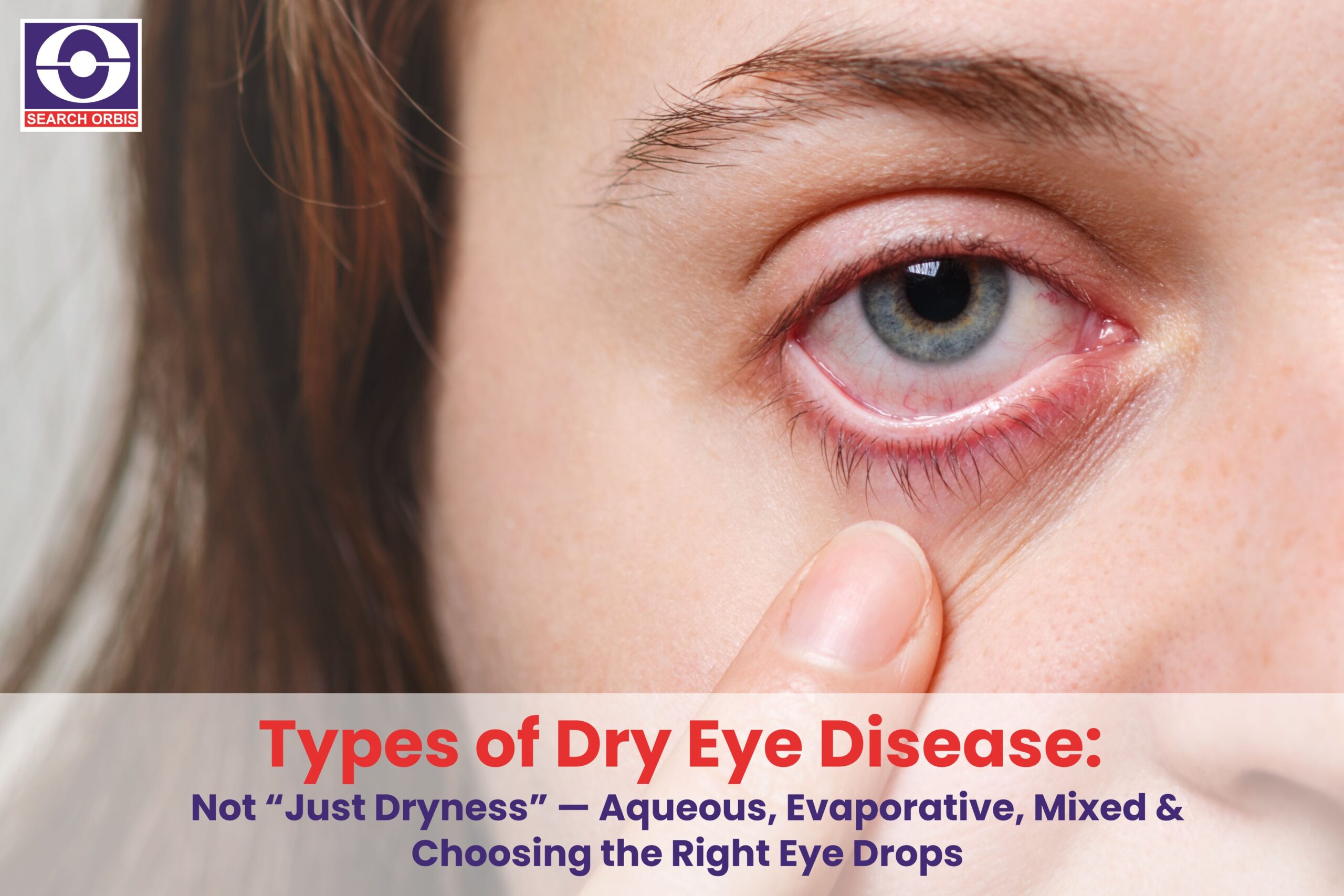
If your eyes feel gritty, irritated, watery, or tired—especially after screen use—you may have been told you have “dry eyes.”But dry eye is not a single condition. It is a complex ocular
surface disorder with multiple causes and mechanisms.Understanding the Types of Dry Eye Disease is essential to choosing the right treatment and avoiding ineffective eye
drops.
Many people self-treat with over-the-counter drops that offer temporary relief but don’t address the root problem. As awareness grows through eye-care education platforms like
Search Orbis pharmaceuticals, it’s becoming clear that targeted treatment—based on the specific type of dry eye—leads to better, longer-lasting outcomes.
This guide breaks down the three Types of Dry Eye Disease—Aqueous Deficient, Evaporative, and Mixed—explains their causes and symptoms, and shows how to choose eye drops
that actually work.
What Is Dry Eye Disease?
More Than Just Lack of Tears
Dry Eye Disease (DED) is a condition where the eyes cannot maintain a healthy tear film. Tears are not just water—they are a complex mixture of water, oils, and mucus that nourish and
protect the eye surface.
When any layer of this tear film is disrupted, dryness,irritation, and inflammation can occur.
Why Dry Eye Is Increasing Globally
Modern lifestyles contribute heavily to dry eye:
- Prolonged screen exposure
- Air conditioning and pollution
- Contact lens use
- Aging and hormonal changes
- Certain medications
These factors affect different parts of the tear system, leading to different Types of Dry Eye Disease.
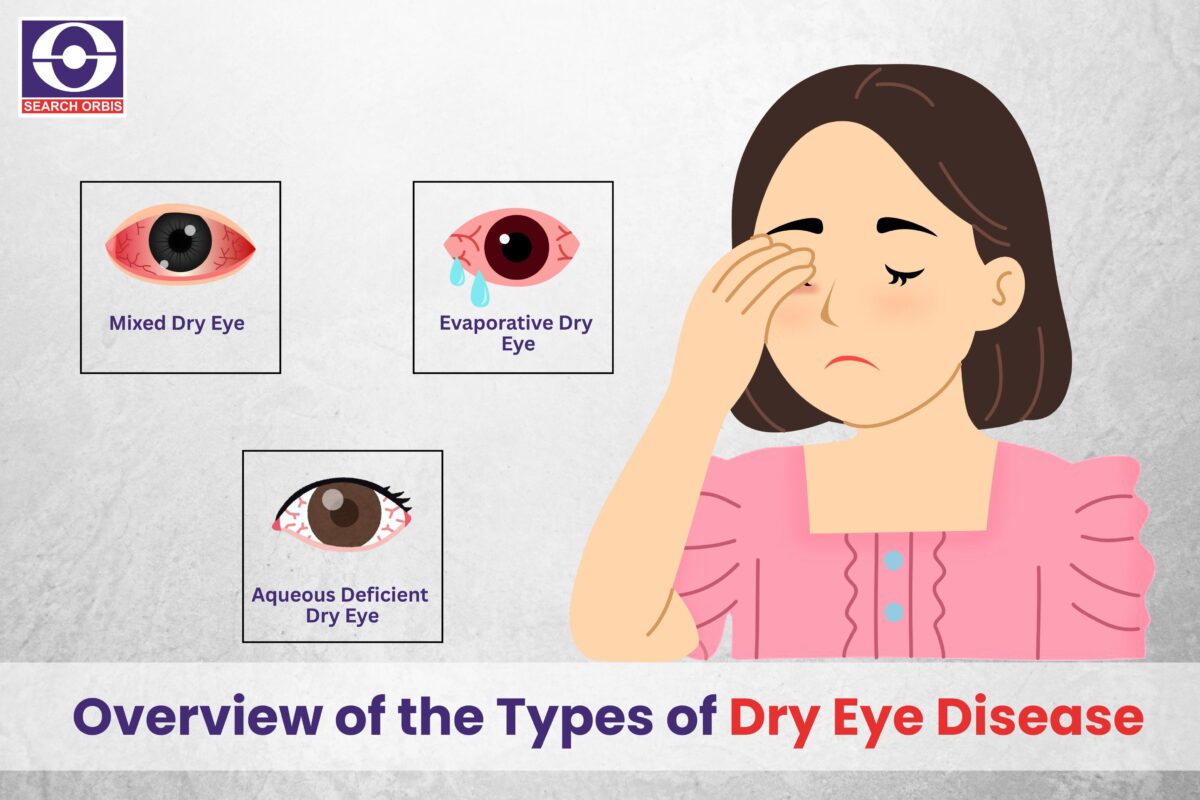
Overview of the Types of Dry Eye Disease
The Three Main Types Explained Simply
Dry eye disease is broadly classified into:
1. Aqueous Deficient Dry Eye
2. Evaporative Dry Eye
3. Mixed Dry Eye (Combination Type)
Each type has a distinct cause, which is why treatment must be personalized.
Aqueous Deficient Dry Eye
What Is Aqueous Deficient Dry Eye?
This type occurs when the lacrimal (tear-producing) glands do not produce enough watery tears. The eye surface dries out because there simply isn’t enough fluid.
Common Causes
- Aging
- Autoimmune conditions (e.g., Sjögren’s syndrome)
- Certain medications (antihistamines, antidepressants)
- Post-eye surgery changes
Symptoms to Watch For
- Persistent dryness
- Burning or stinging
- Sensation of sand in the eyes
- Redness and fatigue
Best Eye Drops for Aqueous Deficient Dry Eye
Eye drops for this type should:
- Replace lost moisture
- Mimic natural tears
- Be preservative-free for frequent use
Drops with hyaluronic acid or carboxymethylcellulose are commonly recommended.
Evaporative Dry Eye
What Is Evaporative Dry Eye?
This is the most common form among the Types of Dry Eye Disease. It occurs when tears evaporate too quickly due to an unstable lipid (oil) layer.H3: The Role of Meibomian Gland Dysfunction Tiny glands along the eyelids (meibomian glands) produce oils that prevent tear evaporation. When these glands are blocked or dysfunctional, tears evaporate rapidly—even if tear production is normal.
Key Symptoms
- Watery eyes (reflex tearing)
- Blurred vision that improves with blinking
- Burning or irritation
- Worse symptoms during screen use
Choosing Eye Drops for Evaporative Dry Eye
The right drops should:
- Restore the lipid layer
- Reduce tear evaporation
- Improve tear film stability
Lipid-based or oil-emulsion eye drops work best for this type.
Mixed Dry Eye Disease
What Is Mixed Dry Eye?
Mixed dry eye is a combination of both aqueous deficiency and evaporative dysfunction. It is common in older adults and people with long-standing symptoms.
Why Mixed Dry Eye Is Often Missed
Many people treat only one aspect of the problem. For example, using basic lubricating drops when lipid support is also needed.
Symptoms of Mixed Dry Eye
- Severe dryness
- Fluctuating vision
- Redness and irritation
- Poor response to standard eye drops
Best Treatment Approach
Managing mixed dry eye requires:
- Combination eye drops (aqueous + lipid support)
- Lid hygiene and warm compresses
- Lifestyle and environmental adjustments
Understanding the Types of Dry Eye Disease is crucial here, as mixed dry eye requires a multi-pronged approach.
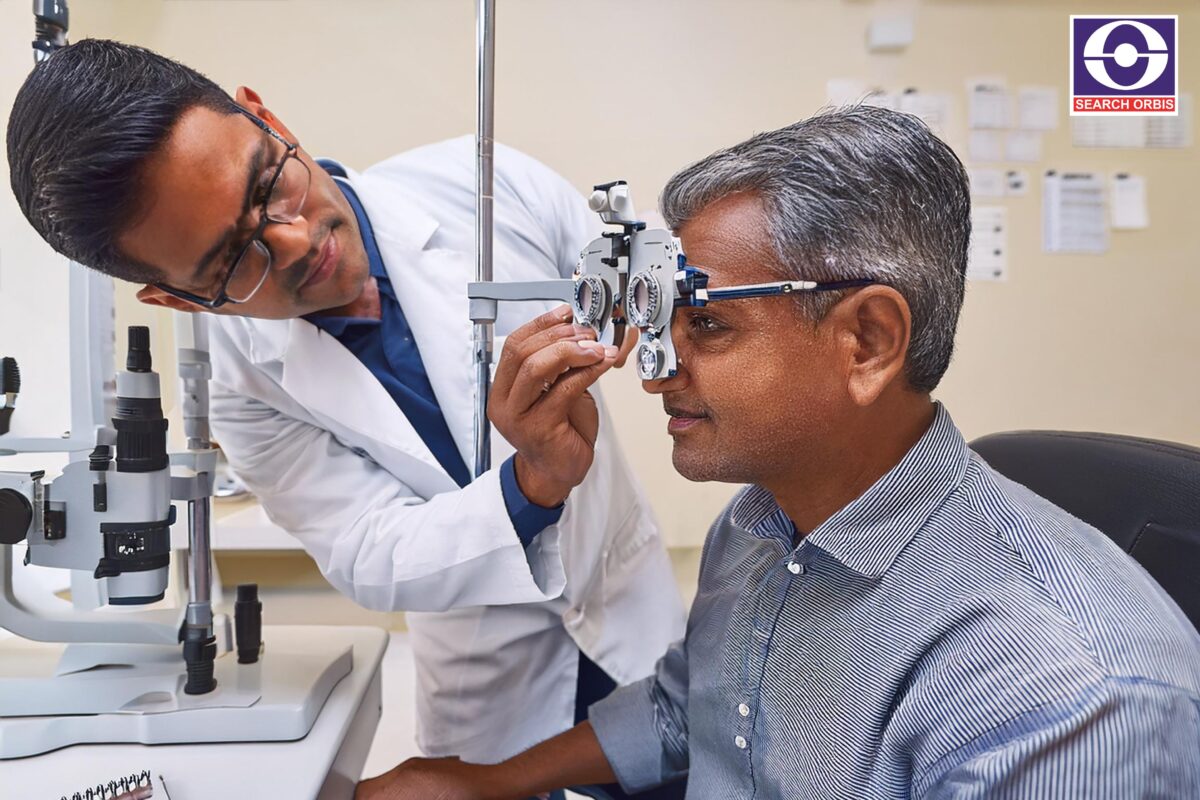
How to Identify Your Type of Dry Eye Disease
Clinical Tests Used by Eye Specialists
Doctors may use:
- Tear breakup time (TBUT)
- Schirmer’s test
- Meibomian gland evaluation
- Ocular surface staining
Why Self-Diagnosis Often Fails
Symptoms overlap across the Types of Dry Eye Disease,making professional evaluation important for accuratediagnosis.
Lifestyle Changes That Support Treatment
Screen Hygiene
- Follow the 20-20-20 rule
- Blink consciously
Environmental Adjustments
- Use humidifiers
- Avoid direct air flow
Nutrition and Hydration
Omega-3 fatty acids and adequate hydration support tear quality.
Why Awareness of Types of Dry Eye Disease Matters
Preventing Chronic Inflammation
Untreated or mismanaged dry eye can lead to long-termocular surface damage.
Improving Quality of Life
Proper diagnosis and targeted treatment reduce discomfort,improve vision stability, and enhance daily productivity.
Frequently Asked Questions (FAQs)
Q1. What are the main types of dry eye disease?
The main Types of Dry Eye Disease are aqueous deficient,evaporative, and mixed dry eye.
Q2. Can dry eye cause watery eyes?
Yes. Evaporative dry eye often triggers reflex tearing, leading to watery eyes.
Q3. Are all eye drops the same?
No. Different drops treat different mechanisms of dry eye.
Q4. Can screen use worsen dry eye disease?
Yes. Reduced blinking during screen use worsens evaporative dry eye.
Q5. How long does it take to see improvement?
With the right treatment, many patients notice improvement within 2–4 weeks.
Q6. When should I see an eye doctor?
If symptoms persist despite regular use of eye drops or affect vision, professional evaluation is recommended.
Conclusion: Treat the Type, Not Just the Symptom
Dry eye is not a one-size-fits-all condition. Understanding the Types of Dry Eye Disease—aqueous deficient, evaporative, and mixed—empowers patients to choose the right eye drops and supportive treatments.
When therapy targets the underlying cause rather than justthe symptom of dryness, relief becomes more consistent andlong-lasting. With growing awareness through platforms like Search Orbis pharmaceuticals, patients and practitioners alikeare moving toward smarter, more personalized eye care.
Related Posts
Preservative-Free Eye Drops: Who Needs Them, When They Matter, and How to Read Labels Like a Pro
-
Posted by
Search Orbis
Meibomian Gland Dysfunction (MGD): The Hidden Cause Behind “Watery Eyes” & Burning — Best Drop Formats That Actually Help
-
Posted by
Ayurvedic Eye Care: Benefits of Using Herbal Eye Drops Daily
-
Posted by
Dry Eyes Causes — Lifestyle, Digital Habits, Age & Environment Explained
-
Posted by
5 Essential Habits to Maintain Healthy Vision in the Digital Age
-
Posted by