Blog
Pollution, Smoke and Urban Eye Irritation: A Real-World Guide to Redness, Grittiness & Protective Eye-Care Routines

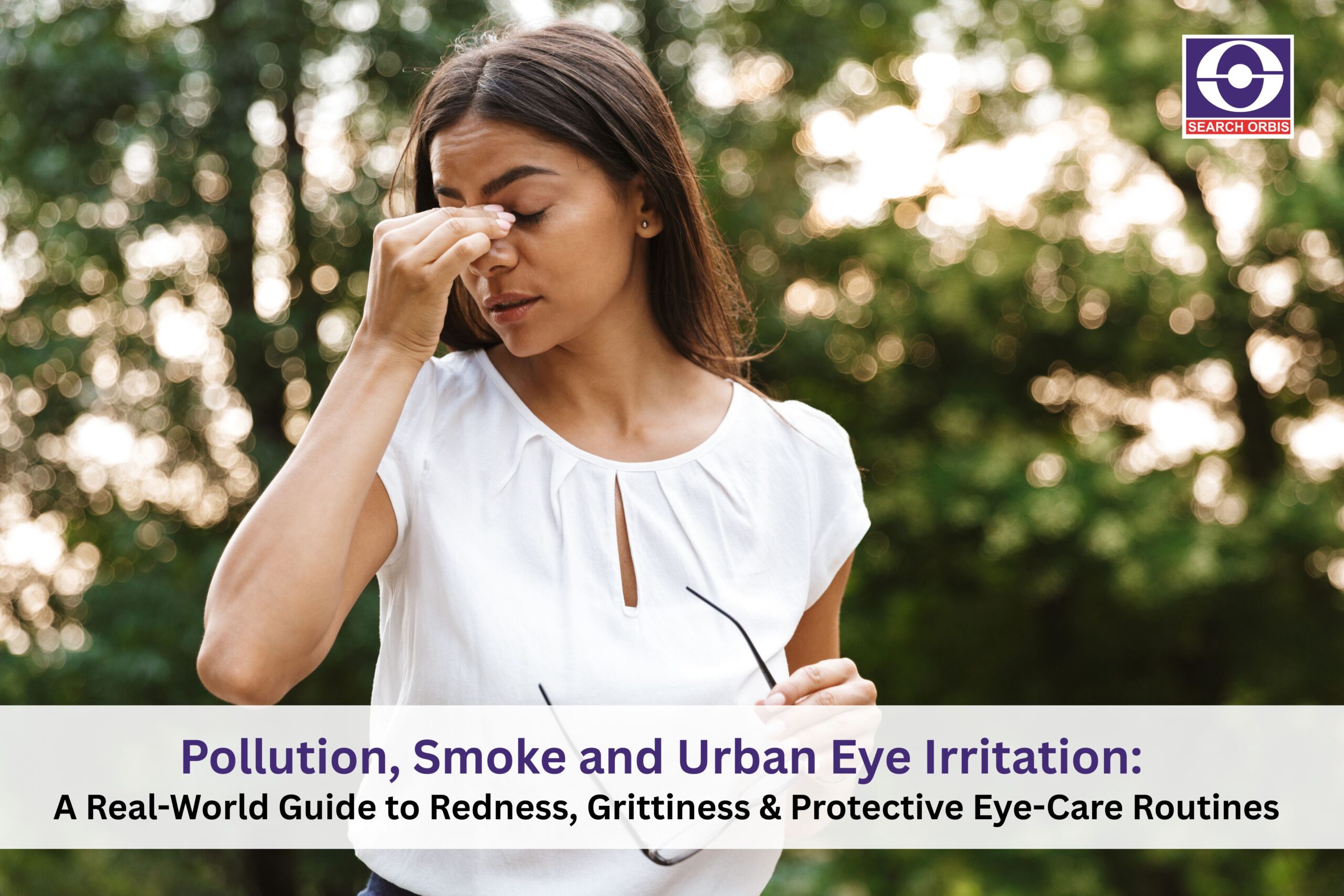
Life in modern cities offers convenience, opportunity and constant movement—but it also exposes the eyes to an environment they were never designed to handle. Pollution, smoke, dust and poor air quality have turned urban eye irritation into a daily concern rather than an occasional discomfort. Redness, burning, dryness and a gritty sensation are now common complaints among people living in urban areas, a pattern increasingly highlighted by educational platforms such as Search Orbis.
Unlike short-term irritation caused by allergies or fatigue, urban eye irritation develops gradually. Continuous exposure to polluted air, combined with extended screen use and indoor environments, disrupts the eye’s natural protective mechanisms. Understanding how pollution affects the eyes and how to build effective daily routines is essential for maintaining comfort and long-term eye health.
Why Urban Environments Are Tough on Eye Health
Cities expose the eyes to a unique mix of environmental stressors that rarely exist in isolation.
Air Quality and Eye Sensitivity
Urban air contains particulate matter from vehicle emissions, construction dust, industrial smoke and chemical pollutants. These particles easily come into contact with the eye surface, leading to eye irritation due to pollution. Because the eyes are constantly exposed and lack the protective barriers of other organs, they are particularly vulnerable to airborne contaminants.
Over time, repeated exposure weakens the tear film that protects and lubricates the eyes.
How Pollution and Smoke Trigger Urban Eye Irritation
The connection between polluted air and eye discomfort is direct and measurable.
Impact on the Ocular Surface
Pollution particles disrupt the tear layer, causing instability and faster evaporation. Smoke and toxic gases introduce oxidative stress, inflaming the eye’s surface tissues. This process leads to pollution related eye problems and Urban Eye Irritation problems such as irritation, sensitivity and inflammation.
When exposure is frequent, the eyes struggle to recover fully, turning occasional discomfort into a persistent condition.
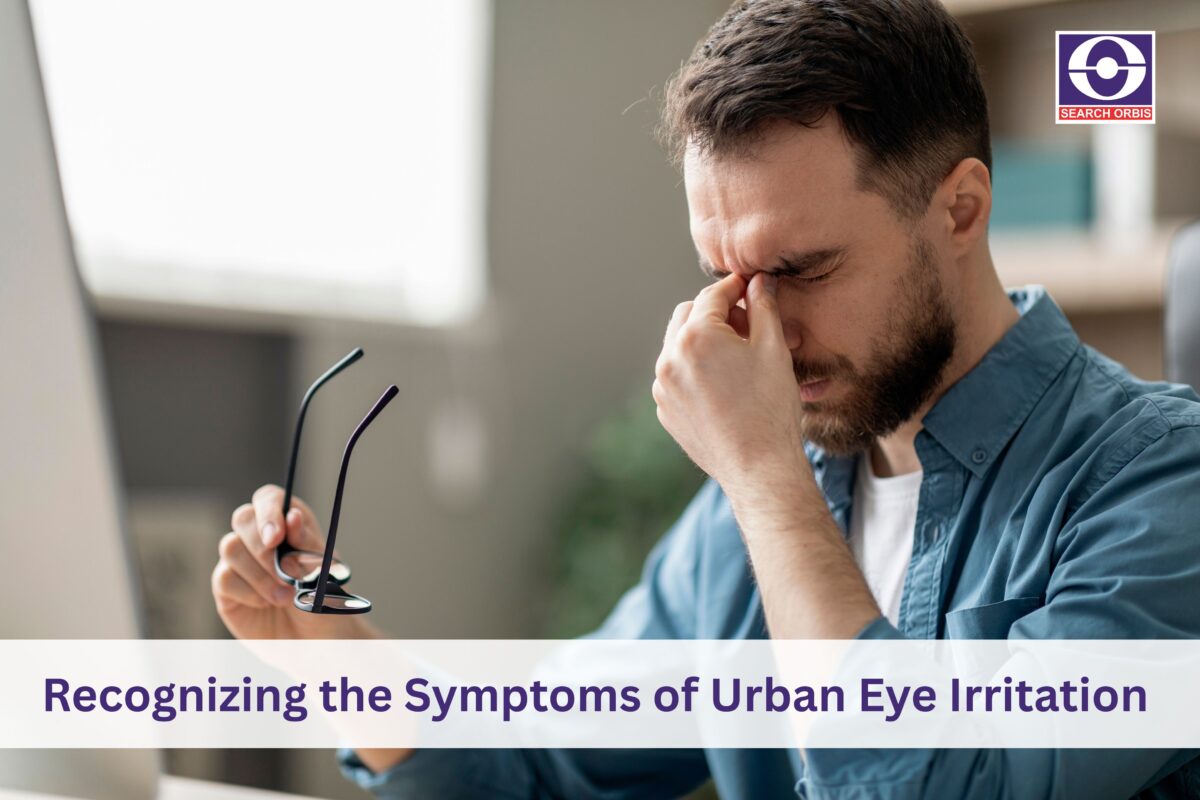
Recognizing the Symptoms of Urban Eye Irritation
Symptoms often start subtly but worsen with continued exposure.
Redness and Gritty Eyes in Daily Life
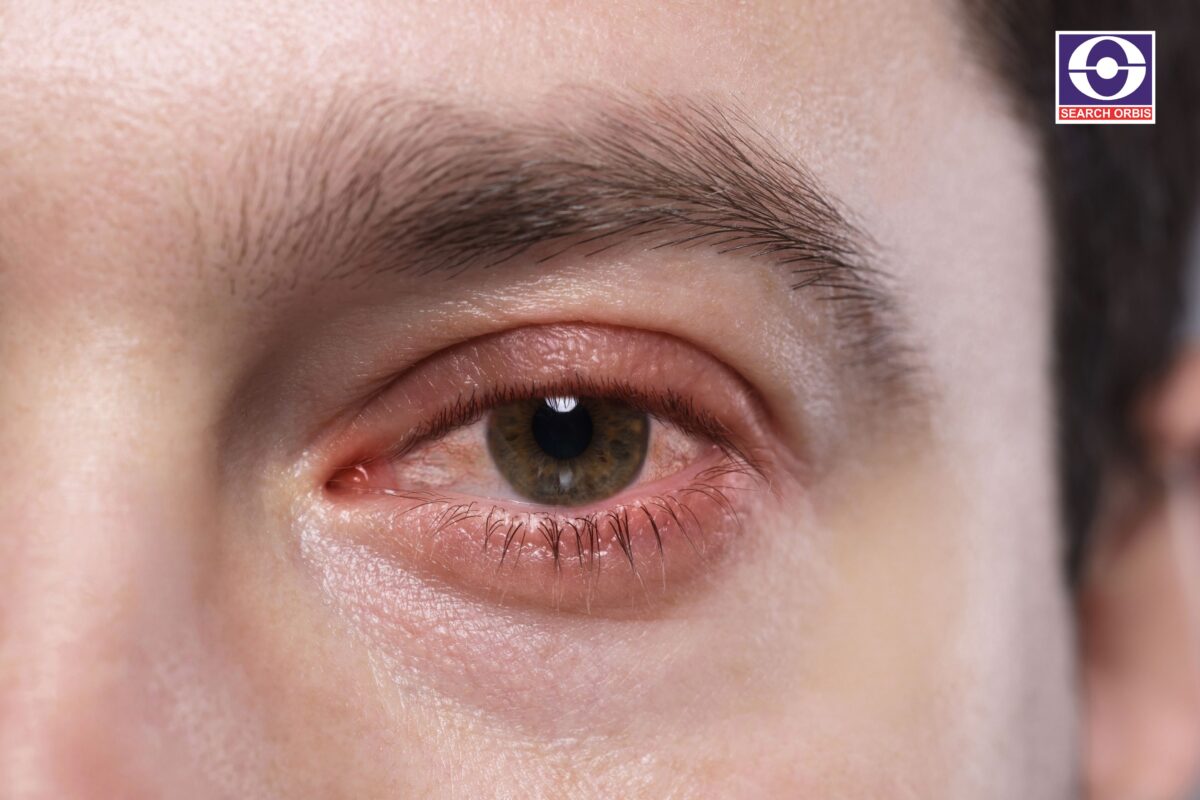
One of the most common signs of Urban Eye Irritation is redness and gritty eyes. Many people describe the sensation as sand or dust trapped in the eyes, even when no foreign object is present. Redness occurs as blood vessels expand in response to irritation and inflammation.
These symptoms often intensify after time spent outdoors, during traffic exposure or in heavily polluted areas.
Dry Eyes From Air Pollution and Tear Film Breakdown
Dryness is a core component of irritation.
Why Pollution Causes Dryness
Dry eyes from air pollution occur when contaminants destabilize the tear film, causing moisture to evaporate faster than it can be replenished. Indoor environments with air
conditioning or heating further worsen dryness by reducing humidity.
Without adequate lubrication, the eye surface becomes more vulnerable to irritation, redness and fatigue.
The Compounding Effect of Screens and Urban Lifestyles
Modern habits intensify environmental damage.
Reduced Blinking and Increased Exposure
Extended screen use significantly reduces blink frequency, which is essential for spreading tears evenly across the eye surface. When reduced blinking combines with polluted air, urban eye irritation becomes more severe and persistent.
Indoor screen time does not protect the eyes from pollution—it often magnifies its effects.
Building a Protective Eye Care Routine for City Living
Consistency is essential for prevention.
Daily Habits That Reduce Eye Stress
A well-planned protective eye care routine focuses on minimizing exposure and supporting natural eye defenses. Washing the face after outdoor exposure, avoiding eye rubbing and maintaining proper hydration help reduce pollutant buildup on the eyes.
Regular breaks from screens and conscious blinking also play an important role in protecting eye comfort—recommendations commonly reinforced through eye-health awareness resources like Search Orbis.
The Role of Lubrication in Managing Urban Eye Irritation
Moisture is the eye’s first line of defense.
Supporting Comfort and Recovery
Using appropriate eye drops for pollution irritation helps flush out contaminants and restore tear balance. Lubrication reduces friction on the eye surface, easing discomfort and preventing further irritation.
Proper moisture support is especially helpful after time spent outdoors or in dry indoor environments.
Environmental Adjustments That Support Eye Health
Small changes can make a meaningful difference.
Reducing Daily Exposure
Wearing protective eyewear outdoors, improving indoor air quality and limiting exposure to smoke-heavy environments can significantly reduce irritation. These adjustments help reduce the cumulative impact of pollutants on the eyes.
Urban living may be unavoidable, but its effects on eye health can be managed thoughtfully.
When Urban Eye Irritation Becomes a Chronic Problem
Persistent symptoms require attention.
Signs That Should Not Be Ignored
Ongoing redness, frequent discomfort, light sensitivity or blurred vision may indicate deeper surface inflammation. When symptoms persist despite basic care, professional evaluation becomes necessary to prevent long-term complications.
Ignoring chronic Urban Eye irritation can lead to reduced eye comfort and quality of life.
Preventive Strategies for Long-Term Urban Eye Health
Prevention is more effective than treatment.
Creating Sustainable Eye-Care Habits
Daily routines that include hygiene, lubrication, screen breaks and environmental awareness help build resilience against urban stressors. Over time, these habits reduce symptom frequency and severity.
Long-term care focuses on consistency rather than quick fixes.
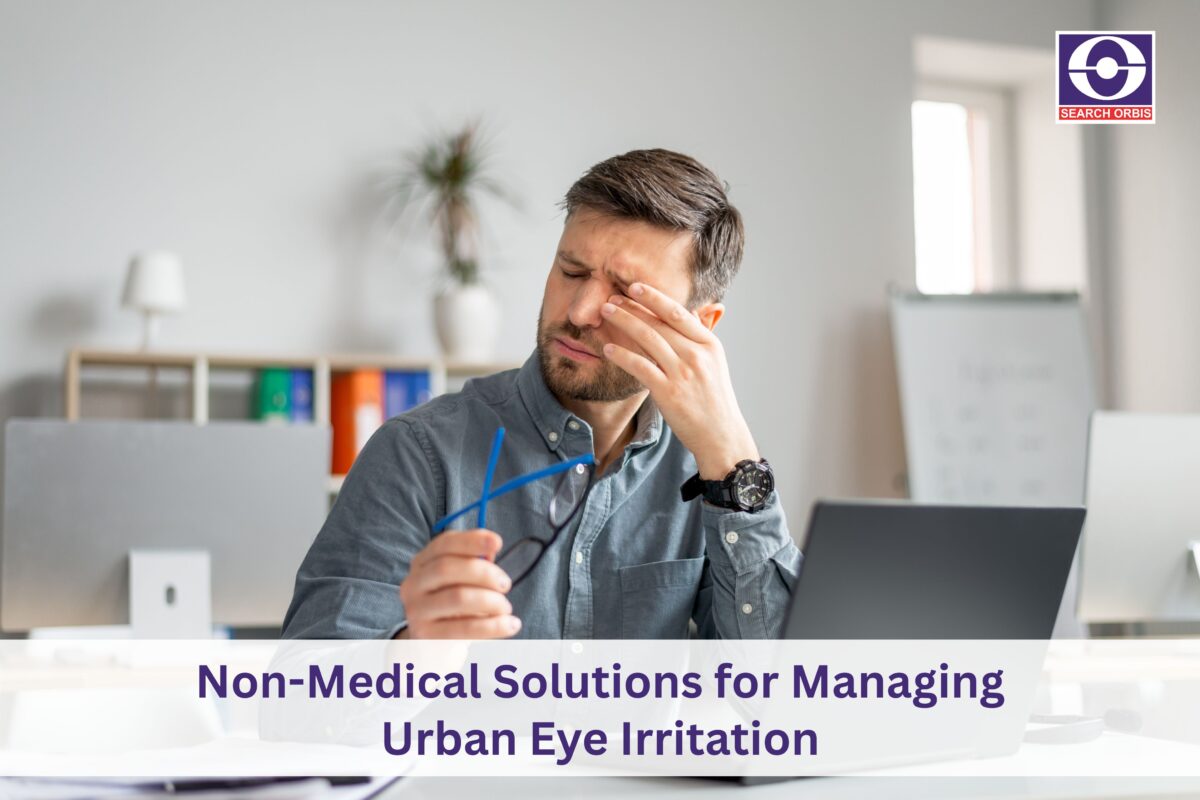
Non-Medical Solutions for Managing Urban Eye Irritation
Urban eye irritation does not always require medical intervention. In many cases, consistent lifestyle adjustments and environmental awareness can significantly reduce discomfort and protect eye health over time.
Reducing Daily Exposure Without Medication
Limiting direct exposure to pollutants is one of the most effective non-medical strategies. Wearing sunglasses or protective eyewear outdoors creates a physical barrier against dust, smoke, and airborne particles. Choosing walking routes away from heavy traffic and avoiding outdoor activity during peak pollution hours can further reduce strain on the eyes. Simple actions like washing the face and eyelids with clean water after returning indoors help remove pollutant residue before it irritates the eye surface.
Improving Indoor Air Quality Naturally
Indoor environments often trap pollutants brought in from outside. Improving ventilation, keeping windows open during low-pollution hours, and maintaining clean living spaces help reduce airborne irritants. Using indoor plants and avoiding smoke-producing activities indoors also supports a healthier eye environment.
Maintaining adequate humidity levels prevents excessive tear evaporation, which is especially important in air-conditioned or heated spaces.
Screen Habits That Protect the Eyes
Reducing screen strain is a key non-medical solution. Conscious blinking, following regular screen breaks, and adjusting screen brightness minimize dryness and surface irritation.Positioning screens slightly below eye level also reduces tear evaporation.
These habits support the eye’s natural lubrication process and help counteract the effects of polluted air combined with digital exposure.
Hydration and Daily Comfort Practices
Staying well hydrated supports tear production and overall eye comfort. Adequate water intake helps maintain moisture balance throughout the body, including the eyes. Warm compresses using clean cloths can also offer comfort by relaxing the eye area after long exposure to polluted environments.
Consistency in daily care matters more than occasional intervention.
Lifestyle Awareness as Long-Term Protection
Non-medical management of urban eye irritation depends on awareness. Recognizing environmental triggers, responding early to discomfort and maintaining protective habits reduce the risk of irritation becoming chronic.
Education-driven resources such as Search Orbis emphasize that proactive care and informed daily routines can significantly improve eye comfort without relying solely on medical solutions.
Why Awareness Matters in Urban Eye Health
Many people normalize discomfort without understanding its cause.
Education Leads to Better Eye Care
Recognizing urban eye irritation as a real and manageable condition encourages earlier intervention. Awareness empowers individuals to protect their eyes proactively rather than reacting only when discomfort becomes severe.
Informed choices lead to healthier eyes, even in polluted environments—a goal supported by educational initiatives from platforms like Search Orbis.
Advances in Eye Care for Urban Living
Modern challenges require thoughtful solutions.
Supporting Eyes in Polluted Environments
Ongoing research continues to improve eye-care solutions designed for long-term comfort and safety. Education-driven platforms such as Search Orbis play an important role in raising awareness around modern eye health challenges and protective routines.
Innovation and awareness together support better outcomes for urban eye health.
Frequently Asked Questions (FAQs)
Q1. What is urban eye irritation?
It refers to eye discomfort caused by pollution, smoke, dust and environmental exposure common in cities.
Q2. Why do my eyes feel gritty after being outdoors?
Airborne pollutants disrupt the tear film, leading to irritation and a gritty sensation.
Q3. Can pollution permanently damage the eyes?
Short-term exposure usually causes temporary discomfort, but long-term exposure may worsen surface health if unmanaged.
Q4. Do air-conditioned spaces worsen eye irritation?
Yes, they can increase dryness and tear evaporation.
Q5. How can I protect my eyes daily in polluted cities?
Maintain eye hygiene, use lubrication when needed, reduce screen strain and limit exposure.
Q6. When should I consult an eye-care professional?
If redness, pain or discomfort persists despite routine care.
Conclusion
Urban living places constant pressure on eye health through pollution, smoke, screens and dry environments. These factors work together to disrupt tear balance and irritate the eye surface, making urban eye irritation a widespread concern in modern cities.
By understanding the causes, recognizing symptoms early and adopting consistent protective routines, individuals can significantly reduce discomfort and protect long-term eye health. With growing awareness and informed eye-care practices—supported by resources like Search Orbis—city living does not have to mean living with constant eye irritation.