Blog
The Myopia Wave in Kids: Understanding Myopia in Children Without Surgery

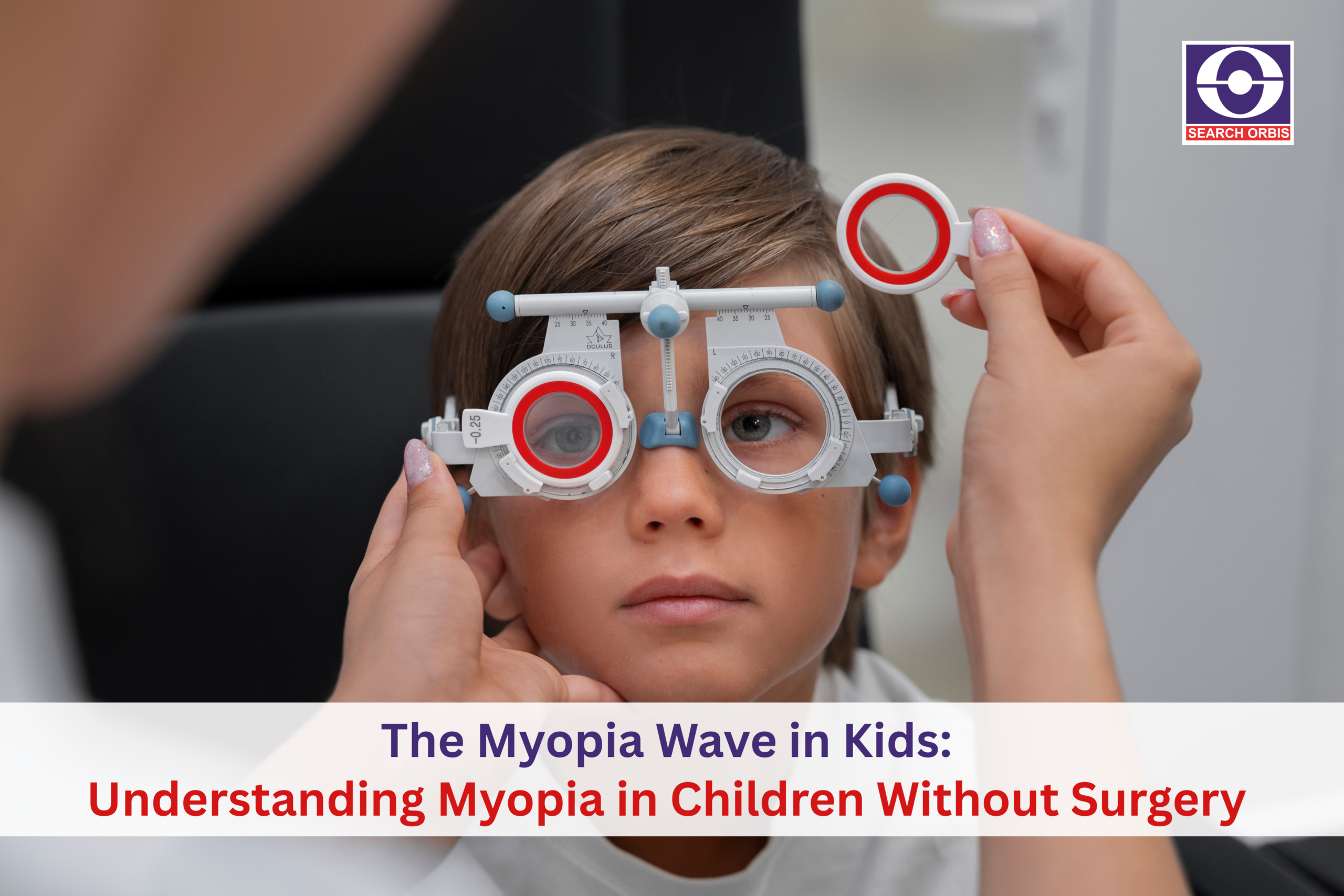
Over the last few years, eye specialists around the world have reported a significant increase in vision problems among children. One of the biggest concerns is the rapid rise of myopia in children without surgery, especially in urban environments where screen exposure has become part of everyday life.
Myopia, also known as nearsightedness, makes it hard for a child to see things that are far away. Genetics can be a factor, but modern habits like spending too much time in front of screens, not getting enough exercise outside and doing too much close work are making childhood myopia more common.
The growing dependence on smartphones, tablets and online learning platforms has made children more vulnerable to visual stress. According to awareness platforms such as Search Orbis, parents should focus on education, early diagnosis and scientifically supported treatment options rather than fear-based misinformation.
Luckily, there are a number of non-surgical ways to effectively treat childhood myopia. This article talks about the causes, early warning signs, ways to prevent the disease and new ways to treat it, such as low-dose atropine. It does all of this while keeping a balanced and medically informed point of view.
Understanding Myopia in Children Without Surgery
Understanding the condition is the first step toward effective management.
What Is Myopia?
Myopia in children without surgery refers to managing nearsightedness through non-invasive methods rather than surgical procedures.
Children with myopia may:
- Struggle to see distant objects
- Sit close to screens or televisions
- Squint frequently while reading signs or boards
Why Myopia in Children Is Increasing
Experts believe lifestyle changes are contributing heavily to the increase in myopia cases worldwide.
Factors include:
- Reduced outdoor exposure
- Excessive near work
- Long screen usage hours
These environmental influences have become major concerns for pediatric eye health.
Screen Time and Childhood Myopia
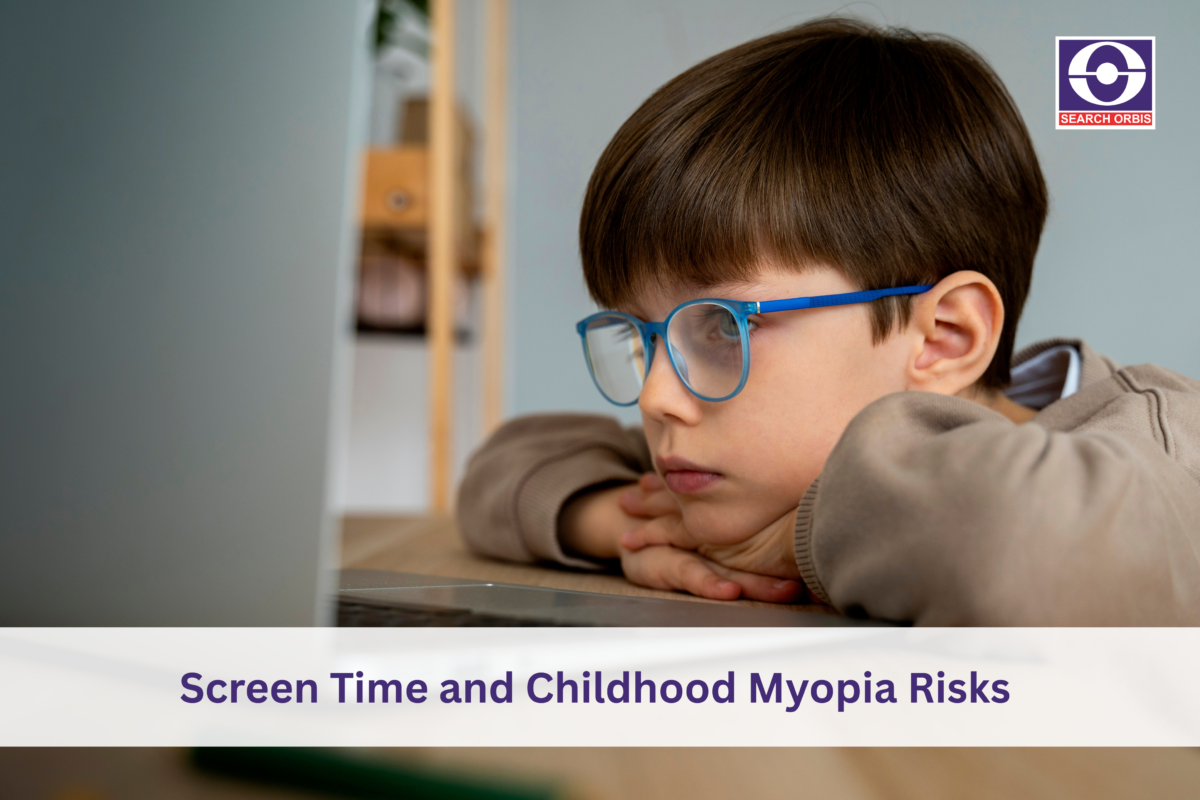
Screen Time and Childhood Myopia Risks
The connection between screen time and childhood myopia has gained significant attention in recent years.
Children today spend long hours:
- Attending virtual classes
- Watching videos
- Playing games on digital devices
Continuous close-up focus may increase stress on developing eyes.
Screen Time and Myopia in Children
Research around screen time and Myopia in Children suggests that prolonged near work combined with limited outdoor activity may contribute to worsening vision.
While screens are not the only cause, excessive use without breaks can increase risk factors.
Digital Eye Strain in Children
Extended digital exposure may also lead to digital eye strain in children, causing symptoms such as:
- Dry eyes
- Eye fatigue
- Headaches
- Difficulty focusing
Healthy screen habits are therefore essential.
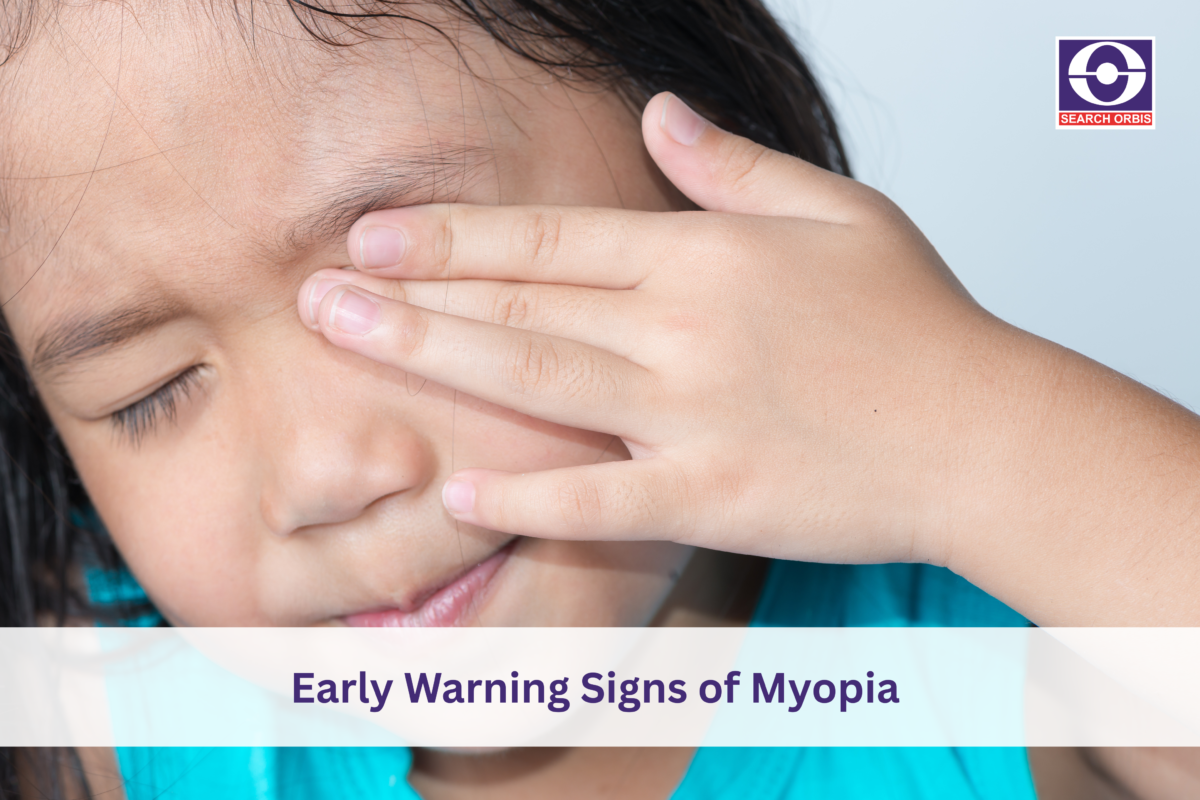
Early Warning Signs of Myopia
Recognizing symptoms early can help manage vision changes before they worsen.
Early Warning Signs of Myopia
Some common early warning signs of myopia include:
- Squinting frequently
- Complaining about blurry distance vision
- Sitting too close to screens
Early Signs of Myopia in Children
The early signs of myopia in children may sometimes appear subtle.
Parents should observe if children:
- Struggle to see classroom boards
- Lose interest in outdoor activities
- Experience frequent headaches
Timely detection is important for effective management.
Importance of Eye Checkups in Children
Importance of Eye Checkups in Children
Regular eye examinations are essential for identifying vision problems early.
Eye checkups help:
- Detect refractive errors
- Monitor myopia progression
- Identify other eye conditions
How Often Should Children Get Eye Exams?
Eye doctors usually suggest:
• Initial screening before the child starts school
• Regular eye exams every one to two years
• More visits if your vision changes
Platforms like Search Orbis often stress the importance of parents being aware of and taking care of their eyes.
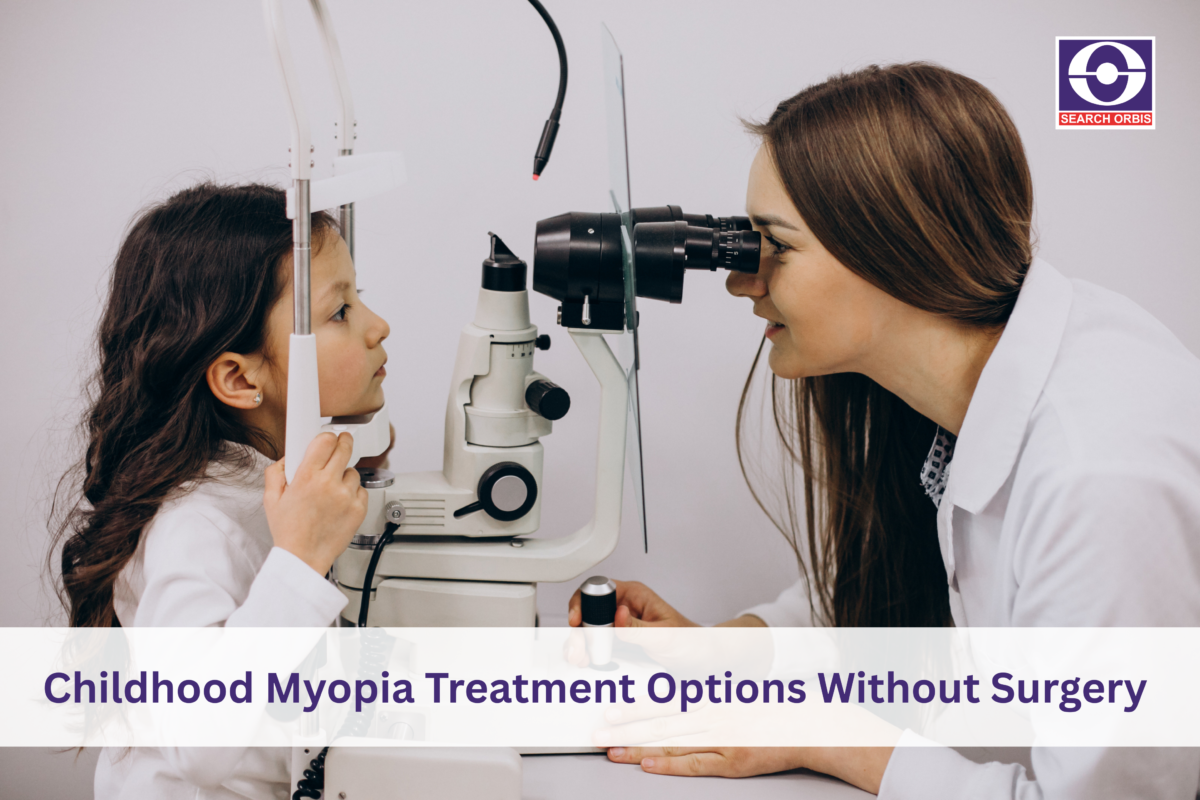
Childhood Myopia Treatment Options Without Surgery
Childhood Myopia Treatment Approaches
Several childhood myopia treatment methods are available that do not involve surgery.
These may include:
- Prescription glasses
- Contact lenses
- Lifestyle modifications
- Myopia control therapies
Low-Dose Atropine for Myopia Control
One commonly discussed option is low-dose atropine for myopia control.
Low-dose atropine eye drops may help slow the progression of myopia in some children under professional supervision.
Studies suggest that low concentrations can reduce progression while minimizing side effects.
Reducing Fear and Misinformation Around Treatment
Parents often encounter alarming information online regarding childhood vision problems.
However, relying on evidence-based guidance and professional advice is essential.
Understanding Modern Myopia Management
Modern myopia management focuses on slowing progression and protecting long-term eye health safely and responsibly.
Parents should avoid self-diagnosis and consult qualified eye specialists.
How to Prevent Myopia Progression
Although myopia cannot always be prevented completely, certain habits may help reduce progression risk.
These include:
- Encouraging outdoor activities
- Limiting prolonged screen exposure
- Taking regular visual breaks
- Maintaining proper reading distance
Healthy Lifestyle Habits for Eye Health
Balanced routines involving sleep, nutrition and physical activity also support healthy visual development.
Role of Parents and Schools in Eye Health
Encouraging Better Digital Habits
Parents and teachers should guide children toward balanced technology use.
Creating Awareness About Vision Care
Schools and families can work together to promote regular eye exams and healthy visual habits.
Frequently Asked Questions
1. What is myopia in children without surgery?
It means treating childhood nearsightedness without surgery, using things like glasses, changes in lifestyle and therapies for controlling myopia.
2. Can screen time worsen Myopia in Children?
Excessive screen exposure may contribute to eye strain and increase factors associated with myopia progression.
3. What are the early signs of Myopia in Children?
Squinting, blurry distance vision, headaches and sitting close to screens are common signs.
4. Is low-dose atropine safe for children?
Low-dose atropine may be safe under proper supervision from qualified eye specialists.
5. How can parents help prevent myopia progression?
Outdoor activities, regular eye exams and limiting excessive screen time can help.
6. How often should children have eye checkups?
Routine eye exams every 1–2 years are generally recommended.
Conclusion
The increasing rise of myopia in children without surgery highlights the importance of awareness, early detection and responsible treatment approaches. Modern lifestyles, especially prolonged screen exposure and reduced outdoor activity, are contributing to higher rates of childhood vision problems.
Luckily, non-surgical methods like changing my lifestyle, getting regular eye exams and therapies that are based on evidence, like low-dose atropine, may be able to help slow the progression of myopia. Parents should pay more attention to information that is balanced than to information that is based on fear.Platforms like Search Orbis continue to promote informed discussions around eye health, helping families make educated decisions for their children’s long-term vision care.