Blog
Why Is My Vision Blurry? 10 Common Causes Explained

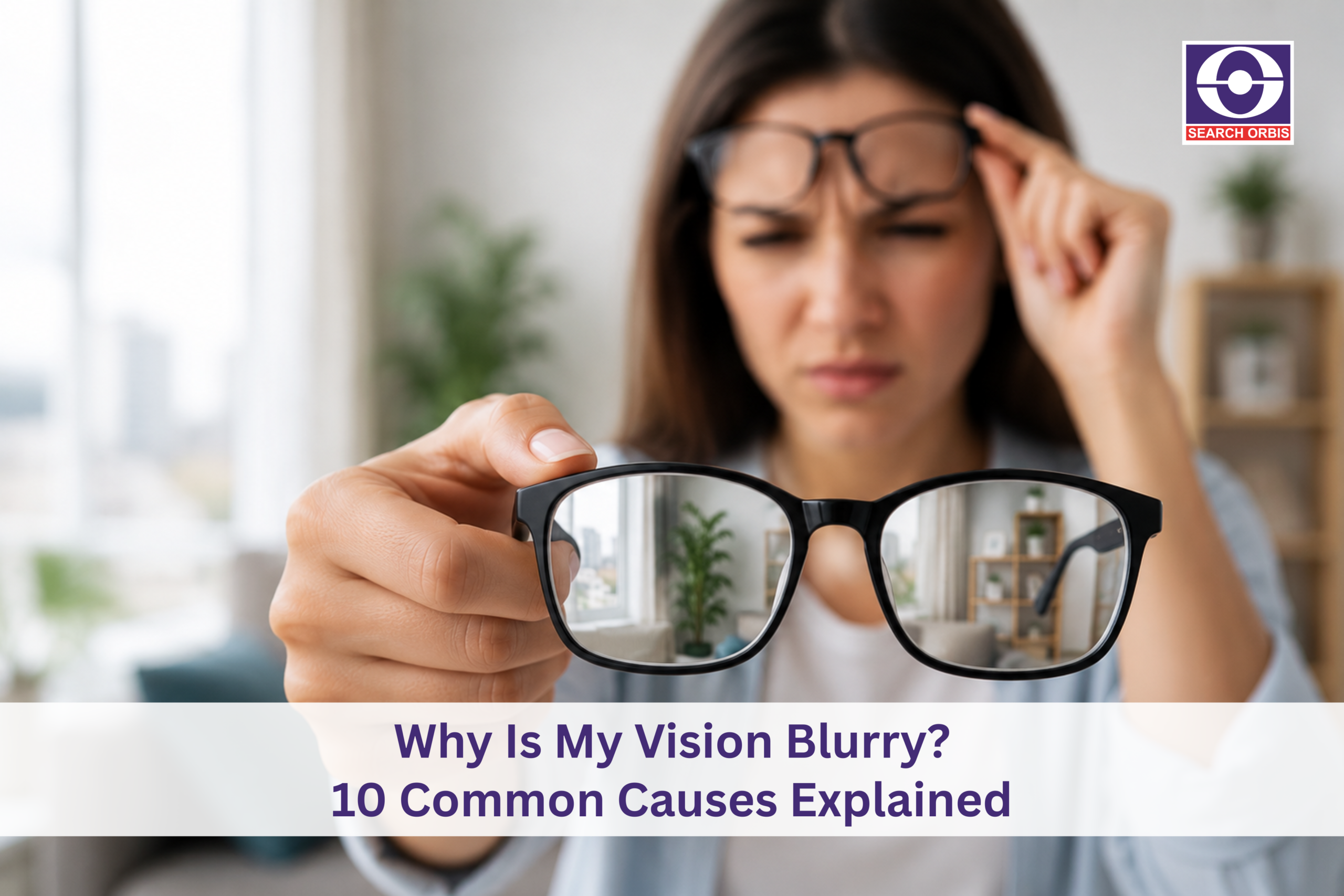
Vision is one of the most valuable senses we have. It allows us to work, to drive, to read and to enjoy life. It’s frustrating and sometimes scary when your vision suddenly gets blurry or things seem out of focus. A need for new glasses might be something as simple as blurry vision, but it can also be an early sign of an underlying eye condition or a more serious health problem.
Understanding blurry vision causes can help you recognize when the problem is temporary and when it requires immediate medical attention. Some conditions develop gradually over time, while others appear suddenly and need urgent evaluation to protect your eyesight.
At Search Orbis, we believe that reliable health information empowers people to make informed decisions. This guide explains the most common reasons for blurred vision, highlights warning signs you should never ignore and discusses available treatment options. However, this article is for educational purposes only and should not replace advice from a qualified eye care professional or physician.
What Does Blurry Vision Mean?
Understanding Blurred Vision
Blurred vision is when objects are not clear or sharp. It may affect one or both eyes and may develop slowly or suddenly. Some people have trouble reading small print, some people can’t see well far away or can’t focus on faces and objects.
The severity varies depending on the underlying cause. In many cases, the condition is temporary and improves with proper treatment. However, sudden changes in vision should never be ignored because they can indicate a medical emergency.
Why Is My Vision Blurry?
Many people ask, “why is my vision blurry?” The answer depends on several factors, including age, overall health, medications, lifestyle and existing eye conditions.
Common contributing factors include:
- Changes in eyesight over time
- Dry eyes
- Eye strain from prolonged screen use
- Medical conditions such as diabetes
- Eye infections
- Cataracts
- Glaucoma
- Retinal disorders
Identifying the exact cause requires a comprehensive eye examination performed by an optometrist or ophthalmologist.
Refractive Errors – The Most Common Cause
Nearsightedness, Farsightedness and Astigmatism
Refractive errors are among the most frequent common causes of blurred vision. They occur when the eye does not bend light correctly, causing images to focus in front of or behind the retina instead of directly on it.
The three primary refractive errors are:
- Nearsightedness (Myopia)
- Farsightedness (Hyperopia)
- Astigmatism
These conditions are usually corrected with prescription glasses, contact lenses or refractive surgery, depending on the individual’s needs.
Symptoms often include:
- Difficulty reading distant signs
- Headaches
- Eye fatigue
- Squinting
- Difficulty driving at night
Regular eye examinations help detect these problems early and ensure that your prescription remains up to date.
Presbyopia and Age-Related Vision Changes
As we age, the natural lens in our eye becomes less flexible and it is harder to focus on things that are close. This condition, known as presbyopia, is common in people over age 40.
People may notice:
- Difficulty reading menus
- Holding books farther away
- Eye strain during close work
Reading glasses or multifocal lenses are often effective solutions.
Dry Eye Syndrome
Why Dry Eyes Affect Vision
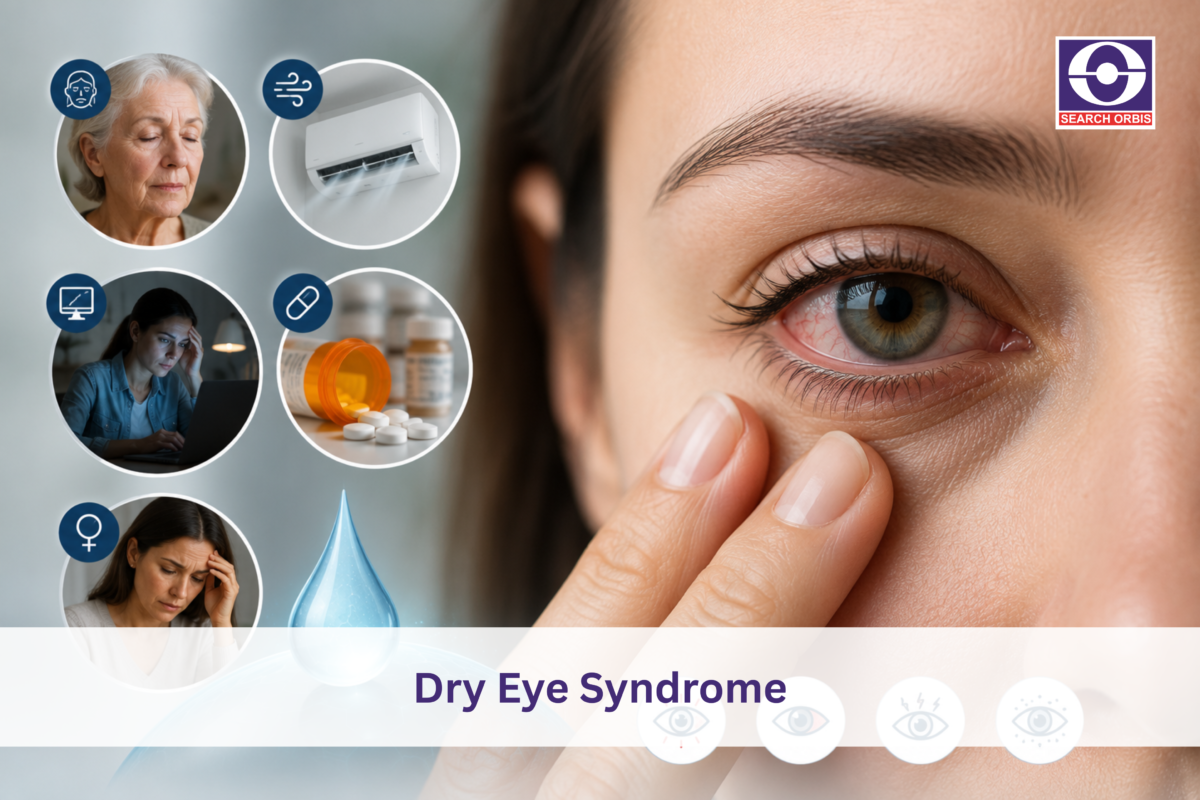
Healthy tears help maintain clear vision by keeping the surface of the eye smooth and lubricated. When tear production decreases or tears evaporate too quickly, vision may become temporarily blurry.
Common causes include:
- Aging
- Air conditioning
- Long hours using digital devices
- Certain medications
- Hormonal changes
Symptoms may include burning, redness, irritation or a gritty sensation in the eyes.
Managing Dry Eyes
Treatment depends on the severity of symptoms and may include:
- Artificial tears
- Taking regular screen breaks
- Staying hydrated
- Using a humidifier
- Prescription eye drops when recommended by an eye specialist
Most people experience improvement once the underlying dryness is managed.
Cataracts
Understanding Cataracts
A cataract develops when the eye’s natural lens becomes cloudy, preventing light from passing through clearly. Cataracts usually develop gradually with age but may also occur due to injury, certain medications or medical conditions.
Common symptoms include:
- Cloudy or blurred vision
- Increased sensitivity to light
- Difficulty driving at night
- Faded colors
- Frequent prescription changes
Treatment Options
Early cataracts may be managed by updating glasses or improving lighting. As the condition progresses, cataract surgery is considered one of the safest and most successful procedures for restoring vision.
An ophthalmologist can determine the appropriate timing for surgery based on symptoms and daily visual needs.
Glaucoma
The Silent Threat to Vision
Glaucoma is a group of eye diseases that damage the optic nerve, often due to increased pressure inside the eye. Many forms develop slowly without noticeable symptoms until vision loss has already occurred.
Because early glaucoma rarely causes pain or obvious changes, regular comprehensive eye exams are essential, especially for adults over 40 or those with a family history of the condition.
Routine screening can detect glaucoma before significant vision loss occurs, allowing treatment to slow or prevent further damage.
Diabetic Eye Disease
How Diabetes Can Affect Your Vision
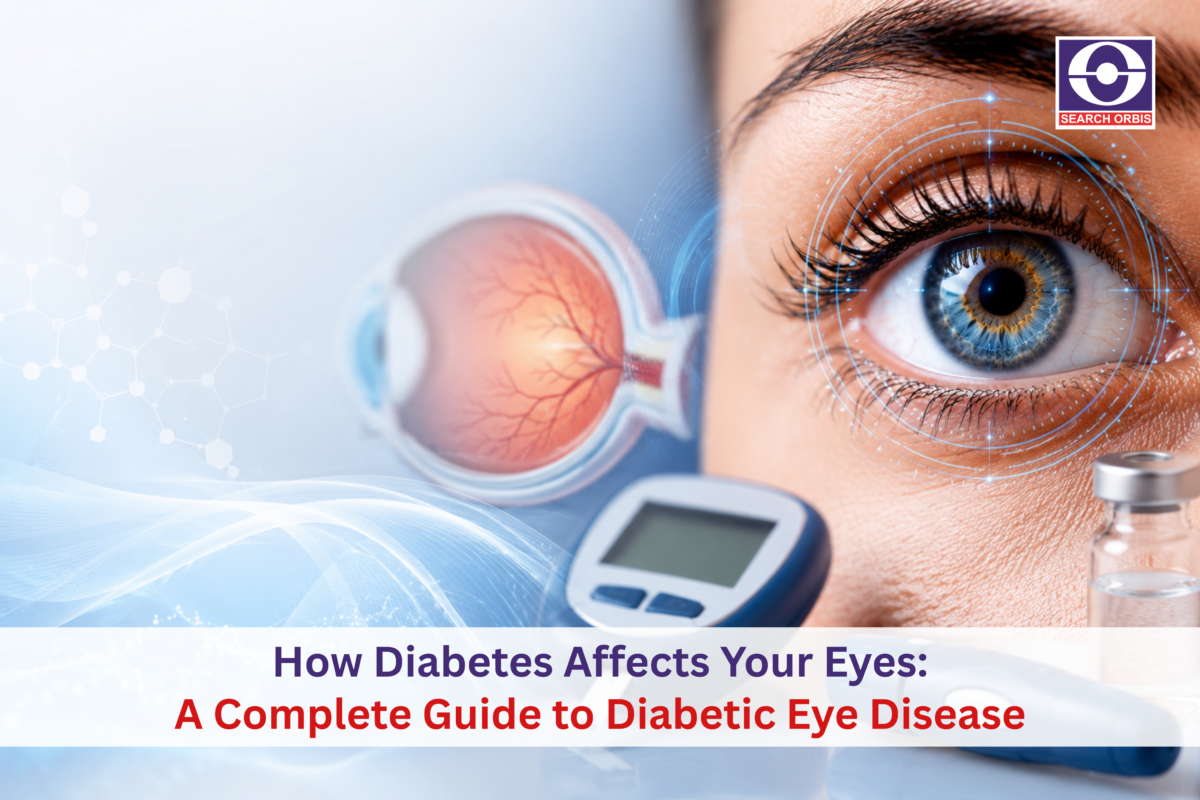
Diabetes is a leading cause of vision loss. Diabetic retinopathy occurs when high blood sugar levels damage the small blood vessels in the retina. In the early stages the condition may not cause any noticeable symptoms which is why regular eye examinations are essential for people living with diabetes.
Over time, damaged blood vessels may leak fluid or bleed, causing vision to become blurry. Without proper treatment, diabetic retinopathy can lead to permanent vision loss.
Common symptoms include:
- Difficulty reading
- Floaters
- Fluctuating eyesight
- Dark spots
- Reduced night vision
Keeping blood sugar, blood pressure and cholesterol under control can significantly reduce the risk of diabetic eye disease.
Preventing Vision Loss from Diabetes
Prevention is the best approach.
Eye specialists recommend:
- Annual comprehensive eye examinations
- Healthy blood sugar management
- Regular exercise
- Balanced nutrition
- Taking prescribed medications consistently
Early diagnosis allows treatment before permanent damage occurs.
Age-Related Macular Degeneration (AMD)
Understanding Macular Degeneration
Age-related macular degeneration (AMD) is a disease of the macula, the part of the retina that provides detailed vision. It mostly affects people over the age of 50 and can make it harder to read, drive and recognise faces.
Unlike many other eye conditions, peripheral vision usually remains intact while central vision gradually deteriorates.
Risk factors include:
- Aging
- Smoking
- Family history
- High blood pressure
- Poor diet
Routine eye checkups can detect early changes before significant vision loss occurs.
Can AMD Be Treated?
Although there is no complete cure for age-related macular degeneration, early treatment may slow its progression.
Depending on the type of AMD, treatment options may include:
- Anti-VEGF injections
- Nutritional supplements
- Lifestyle changes
- Smoking cessation
- Regular monitoring
Early intervention greatly improves the chances of preserving useful vision.
Eye Infections and Inflammation
Temporary Blurred Vision Due to Infection
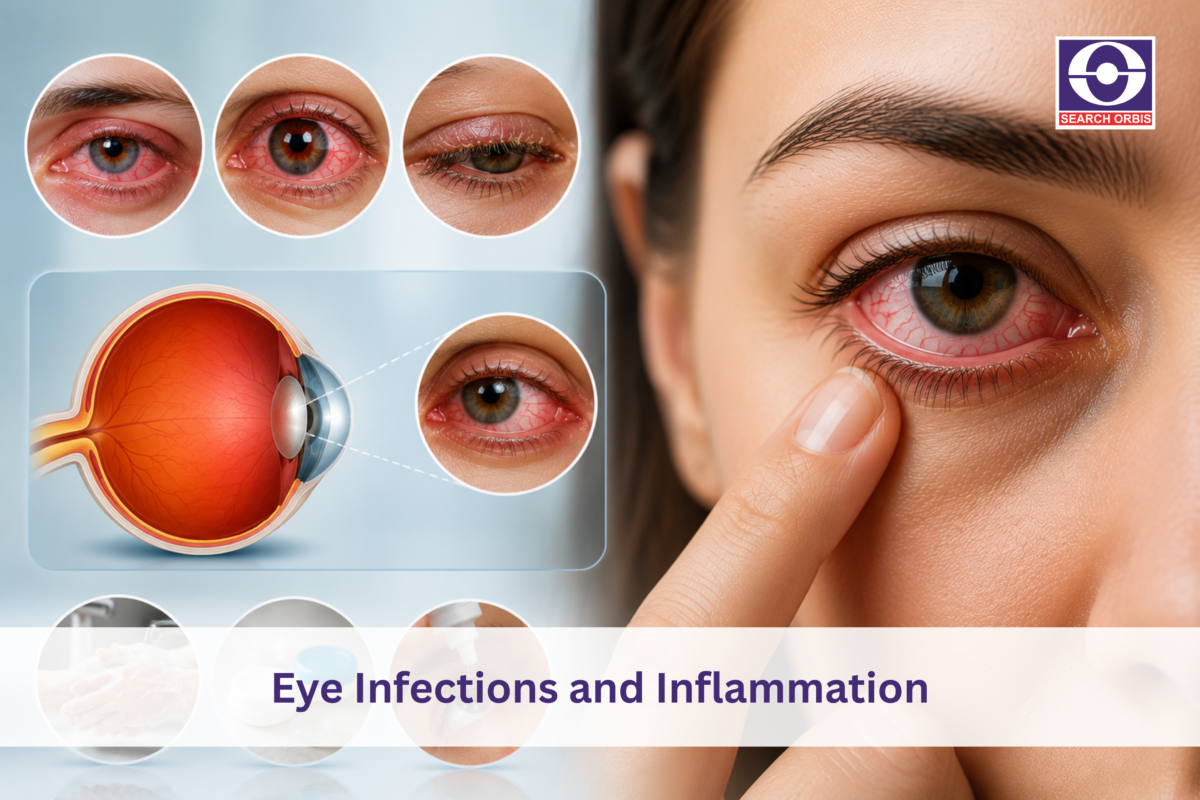
Eye infections can cause temporary vision changes along with redness, irritation, discharge and discomfort.
Common infections include:
- Conjunctivitis (Pink Eye)
- Keratitis
- Blepharitis
Inflammation inside the eye, known as uveitis, may also cause blurred vision and requires prompt medical evaluation.
Good hygiene, avoiding contact lens misuse and seeking early treatment help prevent complications.
Available Treatment Options
Treatment depends on the underlying cause and may involve:
- Antibiotic eye drops
- Antiviral medication
- Anti-inflammatory medicines
- Lubricating eye drops
Never use leftover eye medications without consulting a healthcare professional, as incorrect treatment can worsen the condition.
Sudden Vision Changes That Require Immediate Attention
Understanding Sudden Blurry Vision
Sudden blurry vision should never be ignored. While it may sometimes result from a temporary issue such as a migraine, it can also indicate a serious medical emergency.
Seek urgent medical care if blurred vision is accompanied by:
- Severe eye pain
- Loss of vision
- Flashes of light
- New floaters
- Facial weakness
- Difficulty speaking
- Severe headache
These symptoms may be associated with retinal detachment, stroke, acute glaucoma or other urgent conditions requiring immediate treatment.
Emergency Eye Conditions
Several medical emergencies can affect vision, including:
- Retinal detachment
- Acute angle-closure glaucoma
- Stroke affecting the visual pathways
- Eye injuries
- Retinal artery or vein blockage
Prompt diagnosis improves the chances of preserving vision and addressing the underlying cause.
Blurry Vision in One Eye
What Does It Mean?
Experiencing blurry vision in one eye may have different causes than blurred vision affecting both eyes.
Possible explanations include:
- Retinal disorders
- Corneal injuries
- Cataracts
- Optic nerve problems
- Macular degeneration
Covering one eye at a time can help determine whether one or both eyes are affected, but a professional eye examination is necessary for an accurate diagnosis.
Why Prompt Evaluation Matters
Vision changes affecting only one eye should not be ignored, particularly if they occur suddenly.
Early assessment helps identify potentially serious conditions before permanent damage develops.
Digital Eye Strain
The Impact of Screen Time
Modern lifestyles involve spending long hours using computers, smartphones and tablets. Prolonged screen exposure reduces blinking frequency, leading to dry eyes and temporary blurred vision.
Symptoms often include:
- Eye fatigue
- Headaches
- Dry eyes
- Neck pain
- Difficulty focusing
These symptoms usually improve after resting the eyes.
Simple Ways to Protect Your Eyes
Healthy screen habits include:
- Following the 20-20-20 rule
- Adjusting screen brightness
- Maintaining proper posture
- Increasing font size when needed
- Taking regular breaks
- Using appropriate lighting
These small changes can significantly improve comfort during extended screen use.
How Blurry Vision Is Diagnosed
Eye Tests That Help Identify the Cause
Diagnosing blurry vision begins with a detailed eye examination. An eye care professional will ask about your symptoms, medical history, medications and whether the vision changes developed gradually or suddenly.
Common diagnostic tests include:
- Visual acuity test
- Refraction test for glasses prescription
- Slit-lamp examination
- Retinal examination after pupil dilation
- Eye pressure (tonometry) test
- Optical Coherence Tomography (OCT), when needed
If an underlying medical condition is suspected, your doctor may also recommend blood tests or imaging studies. Accurate diagnosis is essential because treatment depends entirely on the underlying cause.
The Importance of Routine Eye Exams
Many eye diseases develop without noticeable symptoms in their early stages. Routine eye examinations can detect problems before they affect vision significantly.
General recommendations include:
- Children: As advised by their pediatrician or eye specialist.
- Adults (18–39): Every 2 years or as recommended.
- Adults (40–64): Every 1–2 years, especially if at higher risk.
- Adults (65+): Annual comprehensive eye examinations.
People with diabetes, high blood pressure or a family history of eye disease may need more frequent checkups.
Blurred Vision Treatment
Treatment Depends on the Underlying Cause
There is no single blurred vision treatment because blurry vision is a symptom rather than a disease. Treatment is based on identifying and addressing the root cause.
Possible treatments include:
- Prescription glasses or contact lenses
- Artificial tears for dry eyes
- Medications for infections or inflammation
- Blood sugar management for diabetes
- Laser therapy or injections for certain retinal conditions
- Cataract surgery when appropriate
- Lifestyle changes to reduce eye strain
Always follow a qualified healthcare professional’s recommendations instead of self-treating persistent vision problems.
Healthy Habits That Support Eye Health
While not all eye conditions can be prevented, healthy lifestyle choices may reduce the risk of some vision problems.
Helpful habits include:
- Eating a balanced diet rich in leafy greens and colorful vegetables
- Wearing UV-protective sunglasses outdoors
- Staying physically active
- Avoiding smoking
- Managing chronic health conditions
- Taking regular breaks from digital screens
These habits contribute to overall eye health and may help preserve vision over time.
When to See a Doctor for Blurry Vision
Warning Signs You Should Never Ignore
Knowing when to see a doctor for blurry vision is essential. While mild temporary blurring can occur for harmless reasons, some symptoms require prompt medical attention.
Seek urgent medical care if blurry vision occurs with:
- Sudden loss of vision
- Severe eye pain
- Flashes of light or a sudden increase in floaters
- Double vision
- Weakness or numbness on one side of the body
- Difficulty speaking
- Eye injury or chemical exposure
These symptoms could indicate a serious eye or neurological condition and should be evaluated immediately.
When a Routine Appointment Is Appropriate
Schedule a non-emergency eye examination if you notice:
- Gradually worsening vision
- Frequent headaches when reading
- Difficulty seeing at night
- Ongoing dry or irritated eyes
- A need to squint to see clearly
Early evaluation often leads to simpler and more effective treatment.
Frequently Asked Questions (FAQs)
Q: 1. What are the most common blurry vision causes?
Common causes include refractive errors, dry eye syndrome, cataracts, glaucoma, diabetic eye disease, age-related macular degeneration, eye infections and digital eye strain.
Q: 2. Can blurry vision go away on its own?
Temporary blurry vision caused by fatigue or dry eyes may improve with rest or lubrication. Persistent or worsening symptoms should be assessed by an eye care professional.
Q: 3. Is sudden blurry vision an emergency?
It can be. Sudden vision changes, especially when accompanied by pain, flashes of light, weakness or speech difficulties, require immediate medical evaluation.
Q: 4. Can too much screen time cause blurry vision?
Yes. Prolonged screen use can contribute to digital eye strain, resulting in temporary blurred vision, dryness and headaches. Regular breaks and proper screen ergonomics can help.
Q: 5. How often should I have my eyes examined?
The recommended frequency depends on your age, health and risk factors. Regular comprehensive eye exams help detect problems early, even before symptoms appear.
Q: 6. Can blurry vision be prevented?
Not all causes are preventable, but maintaining a healthy lifestyle, protecting your eyes from UV light, managing chronic conditions and having regular eye exams can reduce the risk of many vision problems.
Conclusion
Blurry vision can be disconcerting, but knowing the potential causes is the first step to protecting your eyesight. Some problems, like refractive errors or dry eyes, are usually easy to treat, while others, like glaucoma, diabetic eye disease or retinal problems, need to be diagnosed and treated promptly.
At Search Orbis, our goal is to provide accurate, practical, and trustworthy health information that empowers readers to make informed decisions. If your blurry vision is persistent, worsening or accompanied by concerning symptoms, do not delay seeking professional medical care. Early diagnosis and appropriate treatment can make a significant difference in preserving your vision and overall eye health.
Your eyes deserve the same attention as every other aspect of your health, remember. Regular eye exams, healthy lifestyle habits and prompt evaluation of new symptoms are the keys to maintaining clear vision for years to come.
Related Posts
Glaucoma: Early Warning Signs, Risk Factors & Treatment Options
-
Posted by
 Search Orbis
How Diabetes Affects Your Eyes: A Complete Guide to Diabetic Eye Disease
-
Posted by
Search Orbis
Eye Floaters: When Are They Normal and When Should You Worry?
-
Posted by
Search Orbis
Why Are My Eyes Twitching? Causes, Stress, Screen Time & When to See a Doctor
-
Posted by
Search Orbis