Blog
Ayurvedic Eye Care: Balancing Ancient Wisdom With Modern Eye Health

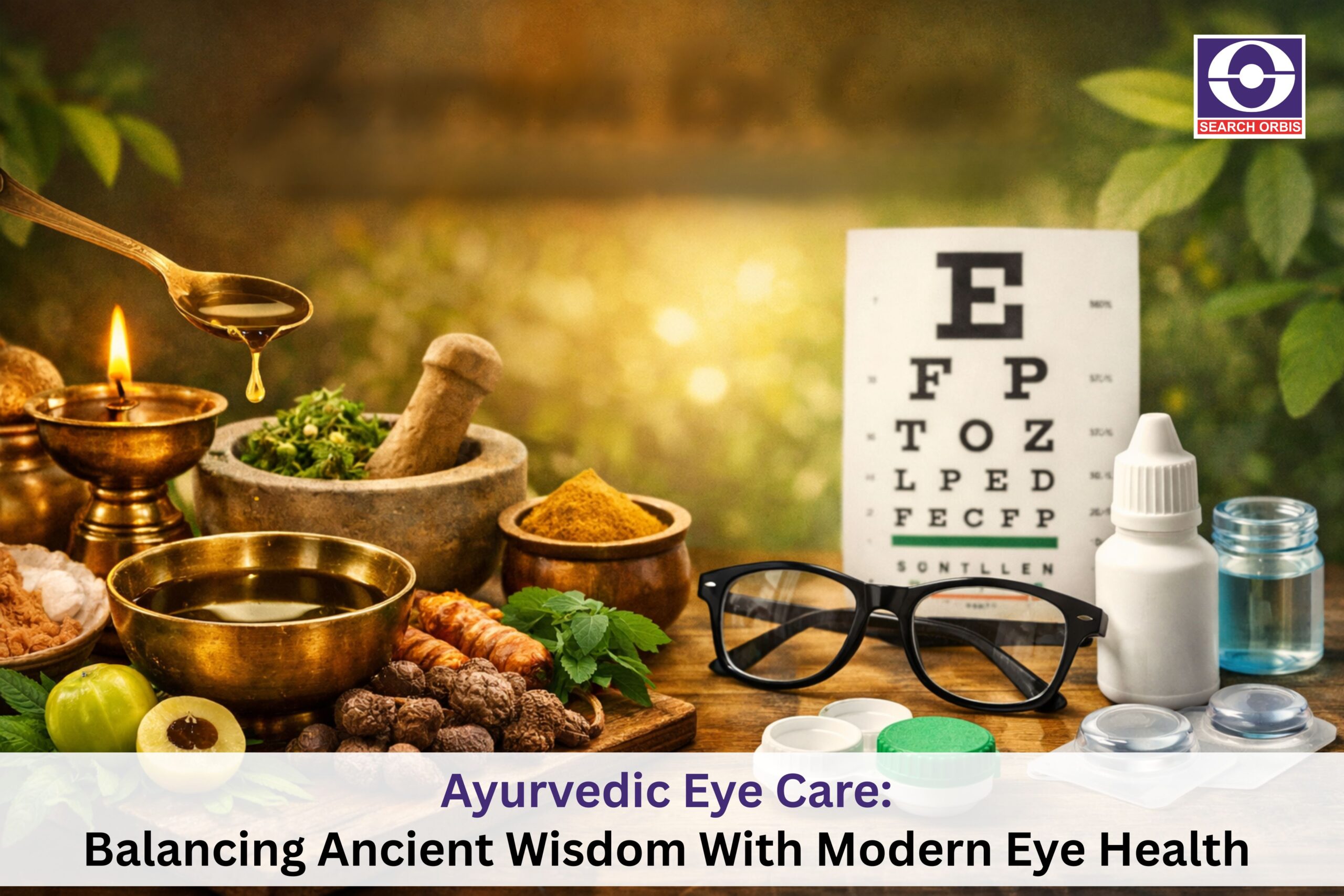
Eye health is becoming more and more important in the digital age. Long hours in front of screens, artificial lighting and less blinking are all making people tired, dry and uncomfortable. Ayurvedic eye care is becoming more popular as a natural way to keep your vision clear and your eyes healthy while dealing with the problems of modern life.
Ayurveda, one of the world’s oldest holistic medical systems, offers traditional practices and herbal formulations that focus on strengthening the eyes and maintaining balance in the body. These methods include herbal preparations, cleansing therapies and lifestyle adjustments that aim to protect the delicate tissues of the eyes.
However, modern eye care practices and clinical treatments are equally important. According to health professionals and wellness platforms such as Search Orbis, the most effective approach is often a balanced integration of traditional wisdom and evidence-based medical care.
This article explores how Ayurvedic eye care can complement modern ophthalmology, including herbal practices such as Triphala, therapeutic eye treatments and safe ways to integrate natural care with clinical eye drops.
Understanding Ayurvedic Eye Care and Its Principles
The Holistic Philosophy Behind Ayurvedic Eye Care
Ayurveda considers the eyes to be among the most sensitive organs in the body. Classical Ayurvedic texts say that the health of the eyes is closely linked to the balance of the body’s energies or doshas, which are Vata, Pitta and Kapha.
Within the philosophy of Ayurvedic eye care, maintaining balance among these doshas helps preserve vision and prevent eye disorders. The eyes are particularly associated with the Pitta dosha, which governs metabolism, heat and vision-related processes.
Stress, a bad diet, too much screen time, or environmental factors can throw off this balance, which can cause symptoms like irritation, dryness and eye fatigue.
Traditional Ayurvedic approaches emphasize:
- Proper nutrition for eye health
- Herbal support for tissue nourishment
- Detoxification therapies
- Relaxation and eye exercises
- Lifestyle adjustments to reduce strain
These methods aim to strengthen the eyes naturally while supporting overall wellbeing.
Health platforms like Dr. Search Orbis highlight that Ayurvedic practices should be applied carefully and ideally under professional guidance to ensure safety and effectiveness.
Ayurvedic Eye Care in the Digital Age
Ayurvedic Solutions for Digital Eye Strain
The rise of digital technology has dramatically changed how we use our eyes. Spending extended hours on computers, smartphones and tablets has led to an increase in digital eye strain.
Many individuals now explore Ayurvedic solutions for digital eye strain to relieve discomfort and maintain visual health.
Common symptoms of digital eye strain include:
- Blurred vision
- Eye fatigue
- Burning sensation
- Headaches
- Difficulty focusing
Ayurveda suggests several simple practices to support eye comfort during prolonged screen exposure.
Lifestyle Practices for Screen Users
1. Frequent blinking – Helps maintain natural eye lubrication.
2. Eye palming technique – Gently covering the eyes with warm palms to relax eye muscles.
3. 20-20-20 rule – Looking away from the screen every 20 minutes for 20 seconds at an object 20 feet away.
4. Adequate hydration – Supports tear production and eye moisture.
Combining these habits with modern ergonomic practices can significantly reduce digital eye fatigue.

Herbal Support in Ayurvedic Eye Care
Triphala for Eye Health
One of the most widely discussed herbs in Ayurvedic eye care is Triphala. This traditional formulation is made from three fruits:
- Amla (Indian gooseberry)
- Haritaki
- Bibhitaki
These fruits are known for their antioxidant properties and are traditionally used to support digestion, detoxification and overall health.
Many Ayurvedic practitioners recommend Triphala for eye health due to its potential to nourish tissues and support circulation.
Traditional uses include:
- Herbal eye washes
- Internal supplementation
- Detoxifying formulations
It is important to stress, though, that only trained professionals should tell you how to use herbal medicines. It can be dangerous to put herbal solutions directly on the eyes without first preparing them.
Search Orbis’s wellness experts say that people should talk to their doctors before trying herbal eye treatments.
Traditional Ayurvedic Eye Therapies
Netra Tarpana Benefits
Another well-known therapy in Ayurvedic eye care is Netra Tarpana, a specialized therapeutic treatment designed to nourish and relax the eyes.
The treatment involves placing medicated ghee around the eyes within a protective dough ring. The ghee bathes the eyes for a short period while the patient keeps their eyes gently open.
The reported Netra Tarpana benefits include:
- Relaxation of eye muscles
- Improved lubrication
- Reduced dryness and irritation
- Relief from eye fatigue
While this therapy is traditionally practiced in Ayurvedic wellness centers, it should always be performed by trained professionals to ensure safety.
Natural Approaches to Eye Comfort
Natural Eye Care for Dry Eyes
Screen time and other environmental factors are making dry eye symptoms more common.
A lot of people look into natural ways to care for dry eyes to go along with medical treatments.
Ayurvedic lifestyle recommendations include:
- Consuming foods rich in healthy fats
- Including leafy greens in the diet
- Practicing gentle eye exercises
- Ensuring adequate sleep
Warm compresses and eye relaxation techniques may also support eye comfort.
However, persistent dryness should be evaluated by an eye care professional, as underlying conditions may require medical treatment.

Integrating Traditional and Modern Treatments
Combining Ayurvedic and Modern Eye Care Safely
Modern ophthalmology offers scientifically substantiated treatments, including lubricating eye drops, anti-inflammatory medications and diagnostic procedures.
For many individuals, the most balanced approach involves combining Ayurvedic and modern eye care.
This integrated approach may include:
- Using prescribed clinical eye drops when needed
- Supporting eye health through diet and lifestyle
- Practicing relaxation techniques from Ayurveda
- Consulting qualified professionals before using herbal preparations
Search Orbis health experts say that safety should always come first when combining traditional and clinical treatments.
People should never stop taking their prescribed medications and start taking herbal ones instead without first talking to a doctor.
Ayurvedic Remedies for Eyes in Daily Life
Simple Lifestyle Practices to Support Eye Health
Many traditional Ayurvedic remedies for eyes focus on preventive care rather than treatment alone.
Daily habits that support eye health include:
Balanced Nutrition
Foods traditionally recommended for eye health include:
- Carrots
- Amla
- Spinach
- Almonds
- Ghee in moderation
Adequate Rest
Sleep plays a crucial role in maintaining healthy eyes. Lack of rest can worsen irritation and visual fatigue.
Eye Exercises
Gentle eye movements and focusing exercises can help relax the muscles responsible for visual coordination.
Environmental Awareness
Avoiding excessive exposure to bright screens, dust and pollution can help maintain eye comfort.
These simple lifestyle practices align with the broader philosophy of Ayurvedic eye care, which emphasizes prevention and balance.

The Future of Ayurvedic Eye Care
A Growing Interest in Integrative Eye Health
As awareness of holistic wellness grows, many individuals are exploring traditional systems such as Ayurveda alongside modern medical care.
The principles of Ayurvedic eye care continue to inspire new research into herbal medicine, lifestyle practices and preventive healthcare.
At the same time, experts stress the importance of evidence-based medicine and proper medical supervision.
Health platforms like Search Orbis encourage informed decision-making, combining traditional wisdom with modern scientific knowledge for optimal eye health.
Frequently Asked Questions (FAQs)
1. What is Ayurvedic eye care?
Ayurvedic eye care refers to traditional practices, herbal remedies and lifestyle techniques used in Ayurveda to maintain eye health and prevent visual problems.
2. Is Triphala safe for eye treatments?
Triphala is traditionally used for various health benefits. However, herbal eye applications should only be used under professional supervision to avoid irritation or infection.
3. Can Ayurvedic methods help with digital eye strain?
Certain lifestyle practices and relaxation techniques from Ayurveda may help relieve eye fatigue caused by prolonged screen use.
4. What is Netra Tarpana therapy?
Netra Tarpana is a traditional Ayurvedic therapy in which medicated ghee is applied around the eyes to relax and nourish eye tissues.
5. Can Ayurvedic remedies replace medical eye treatments?
No. Ayurvedic remedies should not replace prescribed treatments from ophthalmologists. They may only complement medical care when used responsibly.
6. When should someone consult an eye specialist?
Persistent symptoms such as blurred vision, severe dryness, pain or redness should always be evaluated by a qualified eye specialist.
Conclusion
As screens and fast-paced lives become more common, it’s more important than ever to take care of your eyes. Ayurvedic eye care can help modern medicine by giving useful information about how to prevent problems, use herbs and keep a healthy lifestyle.
Ayurveda has been around for a long time and has many ways to keep your eyes healthy, like herbal remedies like Triphala and therapies like Netra Tarpana. But it is important to use it safely and with knowledge.
Experts and wellness platforms like Search Orbis stress that the best way to go about things is to combine traditional knowledge with modern medical care.
People can help keep their eyes healthy and their vision clear by following a balanced routine, getting professional help and being mindful of how they use screens.
Related Posts

Preservative-Free Eye Drops: Who Needs Them, When They Matter, and How to Read Labels Like a Pro
-
Posted by
 Search Orbis
Meibomian Gland Dysfunction (MGD): The Hidden Cause Behind “Watery Eyes” & Burning — Best Drop Formats That Actually Help
-
Posted by
Search Orbis
5 Essential Habits to Maintain Healthy Vision in the Digital Age
-
Posted by
Search Orbis