Blog
Glaucoma: Early Warning Signs, Risk Factors & Treatment Options

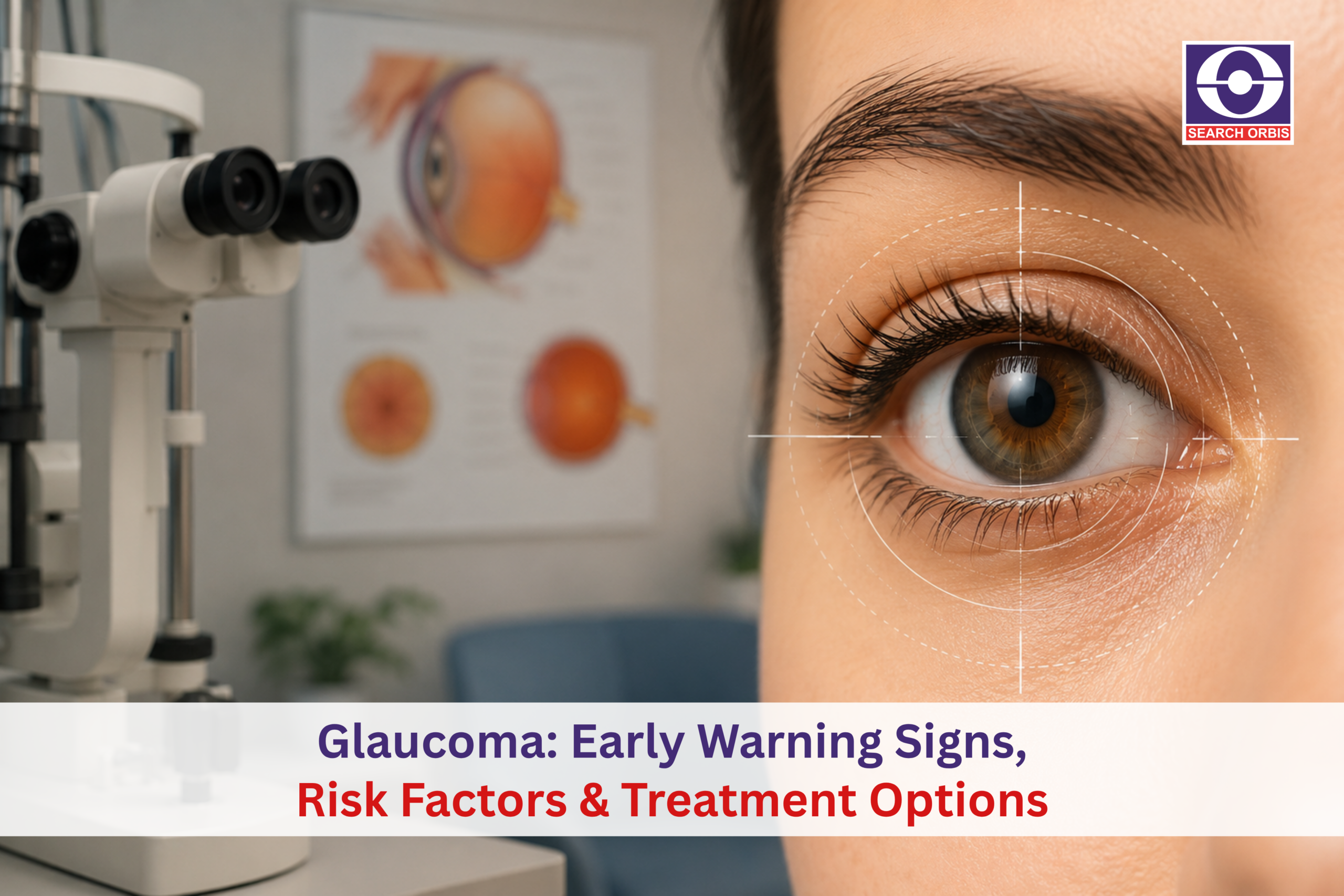
Vision is one of our most precious senses, but many eye diseases develop silently before there are any noticeable symptoms. Among them, glaucoma is one of the main causes of irreversible blindness worldwide. Known as the “silent thief of sight,” glaucoma can cause gradual damage to the optic nerve without pain or noticeable vision changes in its early stages.
Recognizing glaucoma symptoms early can make a significant difference in preserving eyesight. Although vision already lost to glaucoma cannot usually be restored, timely diagnosis and appropriate treatment can often slow or prevent further damage.
Many people are unaware that glaucoma may not produce symptoms until substantial vision loss has occurred. Regular comprehensive eye examinations are therefore essential, particularly for individuals with known risk factors.
At Search Orbis we believe that reliable health information empowers readers to make informed decisions. In this guide you will learn about the early warning signs, common risk factors, treatment options available and practical ways you can protect your eye health. However, it is for educational purposes only and is not a substitute for the advice of a qualified ophthalmologist or other health care professional.
What Is Glaucoma?
Understanding Glaucoma Eye Disease
Many people ask, what is glaucoma?
Glaucoma is a group of eye conditions that damage the optic nerve, the structure responsible for transmitting visual information from the eye to the brain. In many cases, this damage is associated with increased pressure inside the eye, known as intraocular pressure, although glaucoma can also occur in people with normal eye pressure.
The optic nerve is highly sensitive and once significant damage occurs, the resulting vision loss is generally permanent. This is why glaucoma is considered a serious eye condition requiring ongoing monitoring and treatment.
Common types include:
- Primary open-angle glaucoma
- Angle-closure glaucoma
- Normal-tension glaucoma
- Congenital glaucoma
Each type differs in how it develops, but all require professional evaluation and management.
Why Early Detection Matters
Glaucoma usually progresses slowly, allowing damage to accumulate over many years without noticeable symptoms.
Early diagnosis allows doctors to:
- Slow disease progression
- Preserve remaining vision
- Monitor eye pressure
- Reduce the risk of severe vision loss
- Improve long-term outcomes
Routine eye examinations remain the most effective method for identifying glaucoma before significant damage occurs.
Early Signs of Glaucoma
Recognizing the Warning Signs
The early signs of glaucoma are often subtle or completely absent, particularly in the most common form, primary open-angle glaucoma.
When symptoms do appear, they may include:
- Mild loss of peripheral vision
- Difficulty adjusting to darkness
- Blurred vision
- Frequent changes in glasses prescription
- Difficulty seeing objects to the side
Because these symptoms can develop gradually, many people fail to notice them until substantial vision has already been affected.
What Are the Early Signs of Glaucoma?
Many readers specifically ask, what are the early signs of glaucoma.
Although every individual is different, possible warning signs include:
- Reduced side vision
- Frequent headaches around the eyes
- Difficulty seeing in dim lighting
- Eye discomfort
- Occasional blurred vision
Acute angle-closure glaucoma is different and can develop suddenly with severe symptoms requiring immediate emergency care.
Understanding Glaucoma Symptoms
Symptoms Vary by Type of Glaucoma
Not all glaucoma develops the same way.
Common glaucoma symptoms may include:
- Gradual peripheral vision loss
- Tunnel vision in advanced stages
- Eye pain (more common in acute angle-closure glaucoma)
- Halos around lights
- Blurred vision
- Nausea and vomiting with sudden eye pain
- Redness of the eye
Acute symptoms require immediate medical attention because delayed treatment may result in permanent vision loss.
Why Many People Don’t Notice Symptoms
The brain compensates for slow vision loss by filling in missing visual information.
This may be why many patients carry on with their normal daily activities even with progressive damage to the optic nerve.
Unfortunately, by the time vision loss is noticeable, a lot of damage has often already been done.
This emphasises the importance of proactive eye health measures rather than waiting until symptoms appear.
Glaucoma Risk Factors
Who Has a Higher Risk?
Several well-established glaucoma risk factors increase the likelihood of developing the disease.
These include:
- Age over 40
- Family history of glaucoma
- Elevated eye pressure
- Diabetes
- High blood pressure
- Severe nearsightedness
- Long-term steroid use
- Previous eye injury
Having one or more risk factors does not guarantee glaucoma, but it does increase the importance of regular eye examinations.
Lifestyle and Overall Health
Certain lifestyle and medical conditions may influence eye health over time.
Maintaining healthy blood pressure, managing diabetes, exercising regularly, avoiding smoking and attending routine eye examinations all contribute to preserving long-term vision.
Preventive care remains the most effective strategy for reducing the impact of glaucoma.
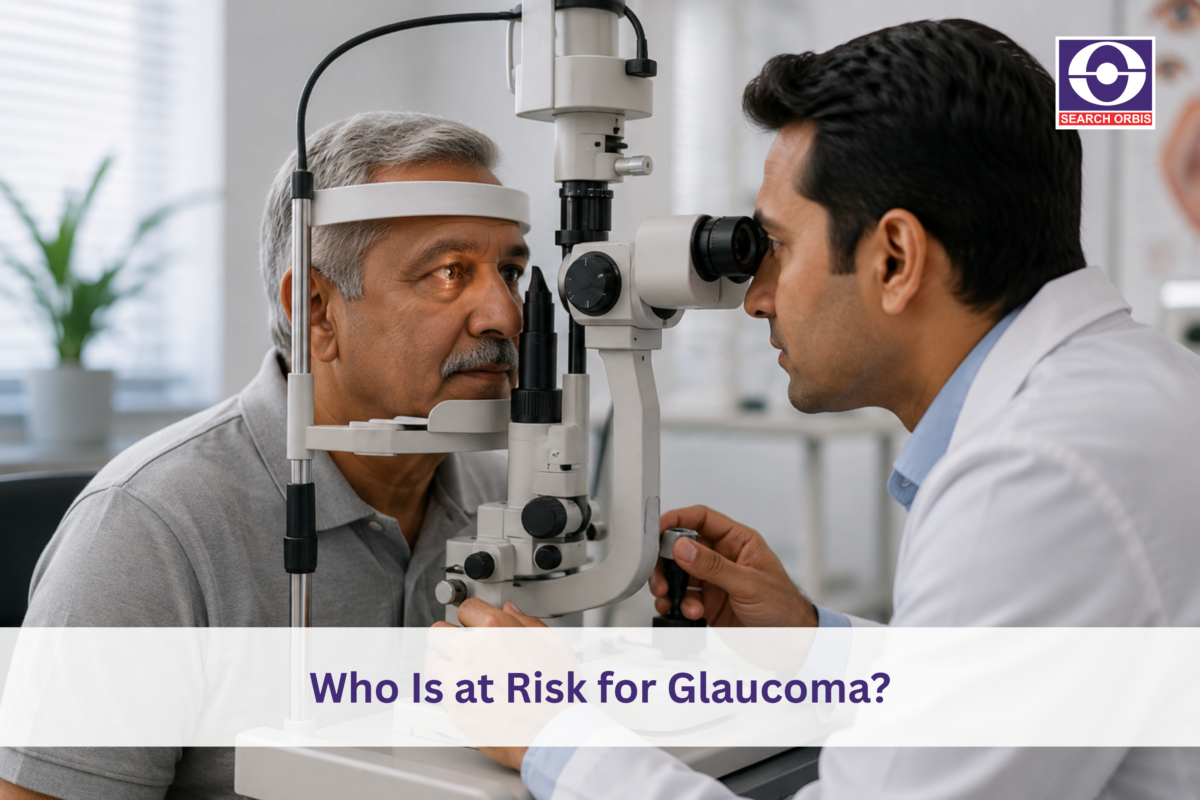
Who Is at Risk for Glaucoma?
Understanding High-Risk Groups
A common question people ask is, who is at risk for glaucoma? While glaucoma can affect anyone, certain individuals have a significantly higher chance of developing the condition due to age, genetics, medical history and other health factors.
People who may have an increased risk include:
- Adults over the age of 40
- Individuals with a family history of glaucoma
- People with diabetes or hypertension
- Those with high intraocular pressure
- Individuals with severe nearsightedness or farsightedness
- People who have experienced previous eye injuries
- Long-term users of corticosteroid medications
If you belong to one or more of these groups, scheduling regular comprehensive eye examinations is one of the best ways to detect glaucoma early.
Why Regular Eye Exams Are Essential
Glaucoma often develops without any noticeable symptoms in its early stages. Regular eye exams enable ophthalmologists to check eye pressure, look at the optic nerve and catch small changes before vision loss becomes significant.
The sooner the diagnosis, the better chance of preserving vision and reducing long-term complications.
Can Glaucoma Cause Blindness?
Understanding the Risks
Many patients ask, can glaucoma cause blindness?
Yes. If left untreated, glaucoma can gradually damage the optic nerve, leading to permanent vision loss and, in severe cases, blindness. However, blindness is not inevitable. Early diagnosis and appropriate treatment significantly reduce the likelihood of severe visual impairment.
The progression of glaucoma varies from person to person. Factors such as disease type, treatment adherence, and overall health influence long-term outcomes.
Why Early Treatment Matters
Because vision already lost to glaucoma usually cannot be restored, treatment focuses on preserving the remaining vision.
Early intervention helps:
- Slow optic nerve damage
- Lower intraocular pressure
- Protect remaining eyesight
- Improve long-term quality of life
This is why eye specialists emphasize preventive screening, especially for high-risk individuals.
How Is Glaucoma Diagnosed?
Comprehensive Eye Examination
People frequently wonder, how is glaucoma diagnosed?
Diagnosis involves more than measuring eye pressure. Eye specialists typically perform several tests to evaluate the health of the optic nerve and overall eye function.
Common diagnostic tests include:
- Tonometry (eye pressure measurement)
- Optic nerve examination
- Visual field testing
- Optical coherence tomography (OCT)
- Gonioscopy
- Corneal thickness measurement
Together, these tests help ophthalmologists accurately diagnose glaucoma and determine the most appropriate treatment plan.
The Importance of Regular Monitoring
Glaucoma is a chronic condition that often requires lifelong follow-up.
Routine monitoring allows doctors to:
- Track disease progression
- Adjust treatment if necessary
- Evaluate medication effectiveness
- Protect remaining vision
Regular appointments are essential even if symptoms remain stable.
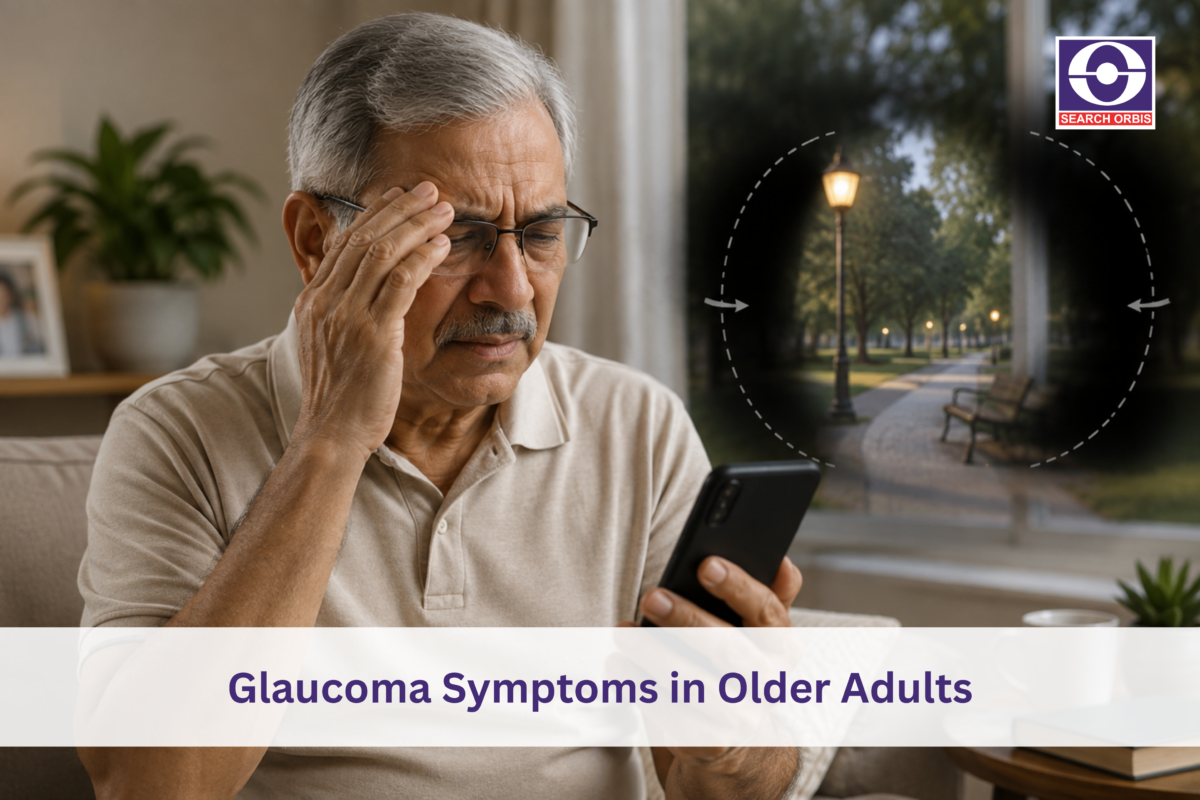
Glaucoma Symptoms in Older Adults
Age-Related Changes Increase Risk
Although glaucoma can occur at any age, glaucoma symptoms in older adults deserve particular attention because the likelihood of developing the disease increases with age.
Older adults may experience:
- Gradual loss of side vision
- Difficulty seeing in low light
- Increased glare sensitivity
- Reduced contrast sensitivity
- Progressive tunnel vision in advanced disease
These symptoms often develop slowly, making regular eye examinations especially important after the age of 40.
Distinguishing Glaucoma from Normal Aging
Some vision changes occur naturally with age, while others require medical evaluation.
Persistent blurred vision, loss of peripheral vision, severe eye pain or sudden visual changes should never be dismissed as normal aging.
Prompt assessment by an eye specialist helps identify glaucoma and other eye conditions before significant damage occurs.
How to Prevent Glaucoma
Can Glaucoma Be Prevented?
Many people ask how to prevent glaucoma. While it is not always possible to prevent glaucoma completely, early detection and healthy lifestyle habits can reduce the risk of severe vision loss.
Recommended preventive measures include:
- Schedule routine comprehensive eye examinations.
- Control diabetes and blood pressure.
- Maintain regular physical activity.
- Protect your eyes from injury.
- Follow prescribed treatment if diagnosed.
- Avoid using steroid medications without medical supervision.
Prevention focuses on preserving vision through timely diagnosis and ongoing care.
Healthy Habits That Support Eye Health
General wellness also contributes to healthy eyes.
Helpful lifestyle habits include:
- Eating a balanced diet rich in leafy green vegetables
- Staying physically active
- Avoiding tobacco use
- Managing chronic medical conditions
- Maintaining regular healthcare appointments
At Search Orbis, we encourage readers to prioritize preventive eye care and consult qualified ophthalmologists whenever they notice changes in their vision or have concerns about glaucoma risk.
Glaucoma Treatment
Treatment Goals for Glaucoma
Effective glaucoma treatment focuses on slowing or preventing further damage to the optic nerve. Although vision already lost due to glaucoma cannot usually be restored, timely treatment can help preserve remaining eyesight and improve long-term quality of life.
The primary goal of treatment is to lower intraocular pressure, even in some patients whose eye pressure falls within the normal range.
Treatment options may include:
- Prescription eye drops
- Oral medications in selected cases
- Laser procedures
- Surgical interventions
- Ongoing monitoring and follow-up
The most appropriate treatment depends on the type of glaucoma, the severity of optic nerve damage and the patient’s overall health.
Why Early Treatment Improves Outcomes
Beginning treatment soon after diagnosis can significantly reduce the rate of disease progression.
Patients should:
- Use medications exactly as prescribed.
- Attend regular follow-up appointments.
- Report any changes in vision immediately.
- Discuss medication side effects with their ophthalmologist.
Consistent treatment and monitoring are essential because glaucoma is generally a lifelong condition.
Best Treatment for Glaucoma
Individualized Care Is Essential
There is no single best treatment for glaucoma that works for every patient. Ophthalmologists develop personalized treatment plans based on disease type, eye pressure, optic nerve findings, age and overall medical history.
Common approaches include:
- Eye drops to reduce eye pressure
- Selective laser trabeculoplasty (SLT) for eligible patients
- Minimally invasive glaucoma surgery (MIGS)
- Traditional glaucoma surgery for advanced cases
Regular assessment allows treatment to be adjusted if the disease progresses.
Working With an Eye Care Specialist
Managing glaucoma requires long-term partnership with an experienced eye specialist.
Patients benefit from:
- Regular eye pressure checks
- Visual field testing
- Optic nerve monitoring
- Medication review
- Lifestyle guidance
Following professional recommendations helps maximize long-term vision preservation.
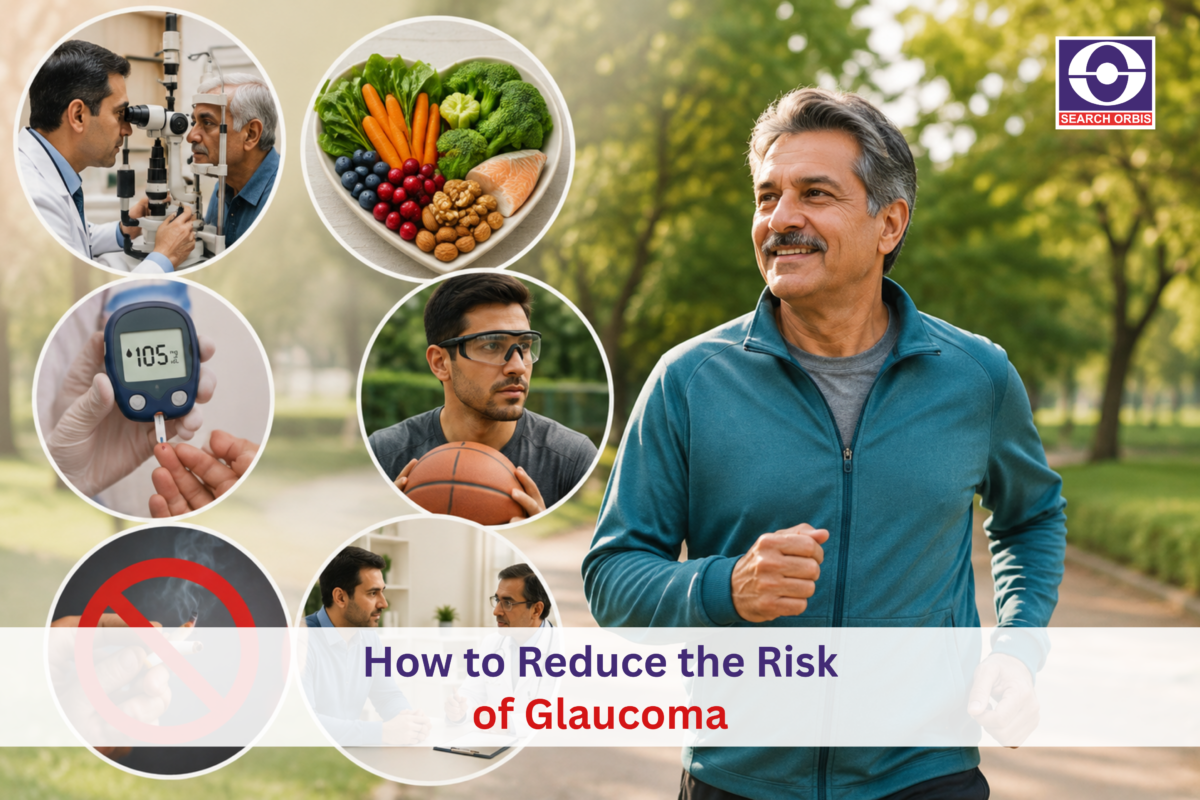
How to Reduce the Risk of Glaucoma
Practical Steps for Better Eye Health
Although not every case can be prevented, learning how to reduce the risk of glaucoma can help protect vision over time.
Helpful strategies include:
- Schedule comprehensive eye exams regularly.
- Maintain healthy blood pressure.
- Control diabetes effectively.
- Wear protective eyewear during sports and hazardous work.
- Exercise regularly after discussing with your healthcare provider.
- Avoid smoking.
- Inform your doctor about any family history of glaucoma.
These measures support overall eye health while increasing the chances of early detection.
The Importance of Awareness
Many people delay eye examinations because they have no symptoms.
Unfortunately, glaucoma often progresses silently.
Educating family members, especially those with a family history of glaucoma, encourages earlier screening and better long-term outcomes.
At Search Orbis, our goal is to promote awareness through reliable health education that encourages preventive care and informed healthcare decisions.
Frequently Asked Questions (FAQs)
Q: 1. What are the first symptoms of glaucoma?
Many people have no symptoms in the early stages. Some may notice gradual loss of peripheral vision, blurred vision or difficulty seeing in low light. Acute angle-closure glaucoma may cause severe eye pain, halos around lights, headache, nausea, and sudden vision changes.
Q: 2. Can glaucoma be cured?
Currently, glaucoma cannot usually be cured. However, early diagnosis and appropriate treatment can often slow disease progression and help preserve remaining vision.
Q: 3. How often should I have an eye examination?
The frequency depends on your age and risk factors. Adults over 40 and individuals with a family history of glaucoma should follow the examination schedule recommended by their eye care professional.
Q: 4. Is glaucoma hereditary?
Family history is an important risk factor. Individuals with close relatives who have glaucoma may have a higher chance of developing the disease and should undergo regular screening.
Q: 5. Can lifestyle changes help reduce glaucoma risk?
Healthy habits such as regular exercise, controlling blood pressure and diabetes, avoiding smoking, protecting the eyes from injury, and attending routine eye examinations support overall eye health.
Q: 6. When should I seek urgent medical attention?
Seek immediate emergency care if you experience sudden severe eye pain, blurred vision, halos around lights, headache, nausea, vomiting, or rapid vision loss, as these may indicate acute angle-closure glaucoma.
Conclusion
Recognizing glaucoma symptoms early is one of the most effective ways to protect long-term vision. Because glaucoma often develops without noticeable warning signs, routine comprehensive eye examinations remain essential, particularly for individuals with risk factors such as advancing age, family history, diabetes or elevated eye pressure.
Although glaucoma cannot usually be cured, modern treatments can successfully slow disease progression and preserve eyesight when the condition is detected early. Regular monitoring, adherence to prescribed treatment, and healthy lifestyle choices all contribute to better long-term outcomes. We at Search Orbis, believe that creating awareness on eye health will empower people to make informed decisions and seek timely medical attention. If you experience changes in your vision or are concerned about risk factors for glaucoma, consult a qualified ophthalmologist for a complete evaluation. If you act early today, you can help preserve your vision for years to come.
Related Posts
How Diabetes Affects Your Eyes: A Complete Guide to Diabetic Eye Disease
-
Posted by
 Search Orbis
Why Is My Vision Blurry? 10 Common Causes Explained
-
Posted by
Search Orbis
Eye Floaters: When Are They Normal and When Should You Worry?
-
Posted by
Search Orbis
Why Are My Eyes Twitching? Causes, Stress, Screen Time & When to See a Doctor
-
Posted by
Search Orbis