Blog
Eye Allergy Season Is Getting Longer: Which Drops Work Fast, Which Work Long and What “Dual-Action” Means

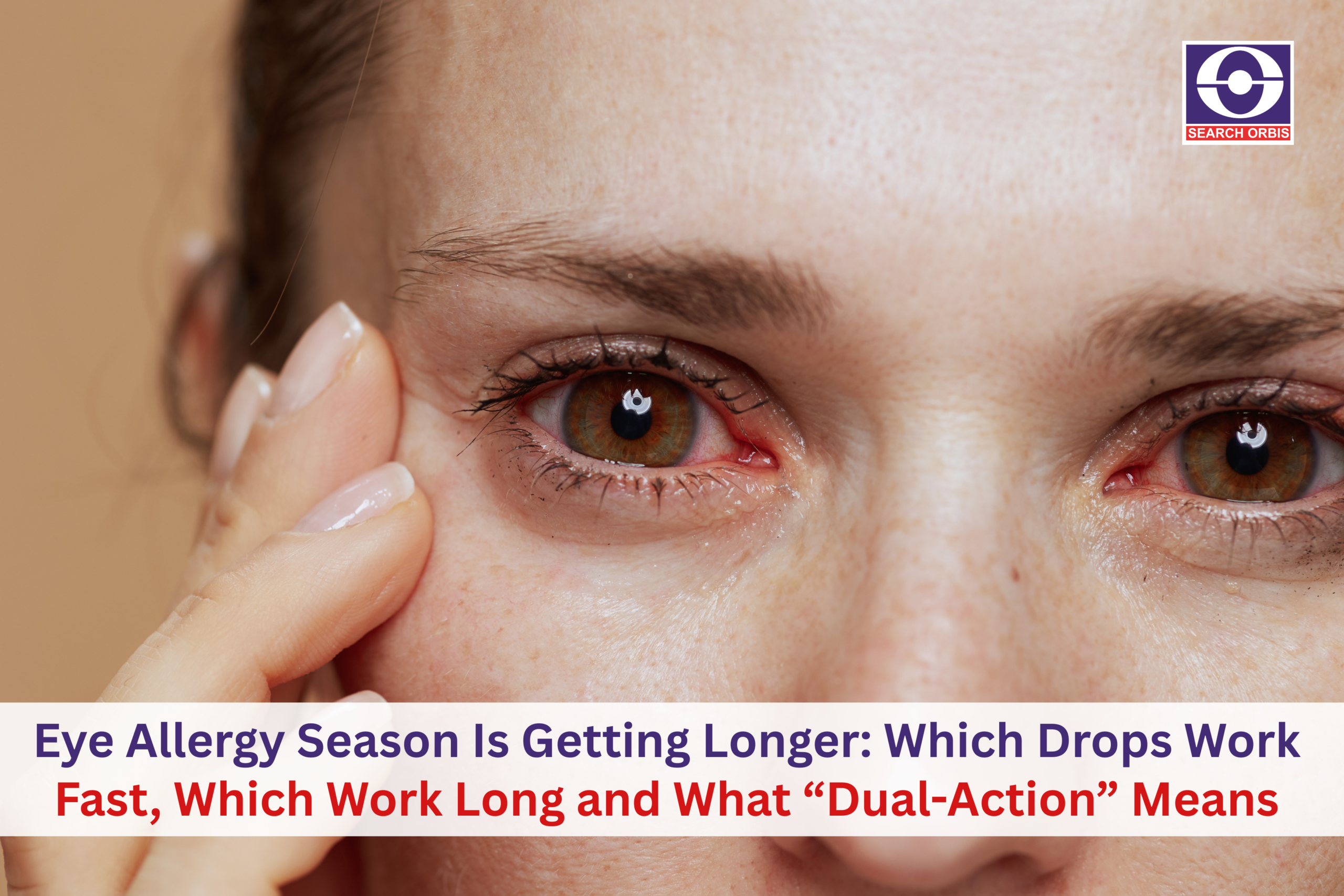
Eye allergies are on the rise and staying longer than ever before. In many places, allergy seasons are getting longer because of rising pollution, changes in the climate, and more pollen exposure. If you have itchy, watery or red eyes, choosing the right eye allergy drops can make a big difference to your daily comfort and eye health.
Many individuals are confused about the differences between fast-relief drops, long-lasting formulas and newer dual-action treatments. Understanding how these products work helps patients choose safer and more effective options for relief.
At Search orbis, healthcare-focused educational content helps readers make informed decisions about eye wellness, seasonal allergies and modern treatment solutions. This guide explains the causes of eye allergies, how allergy drops work and which treatments may provide the best relief.
Why Eye Allergy Season Is Lasting Longer
Environmental changes are changing allergy patterns worldwide. Longer summers, warmer temperatures and more air pollution mean that allergens have a longer active season.
Common allergens include:
- Pollen
- Dust mites
- Pet dander
- Mold spores
- Smoke particles
These irritants can trigger inflammation in sensitive eyes, causing discomfort and blurred vision.
Seasonal Eye Allergies and Triggers
Understanding seasonal eye allergies and triggers helps people reduce exposure and manage symptoms more effectively.
Common triggers include:
| Trigger | Common Source |
| Tree pollen | Spring season |
| Grass pollen | Summer months |
| Ragweed pollen | Autumn season |
| Dust | Indoor environments |
| Pollution | Urban traffic and smoke |
People with existing allergies or asthma may experience stronger reactions during high-pollen seasons.
Common Symptoms of Eye Allergies
Eye allergies can affect daily activities, work productivity and sleep quality.
Typical symptoms include:
- Itching
- Redness
- Watery eyes
- Burning sensation
- Puffy eyelids
- Sensitivity to light
Many patients seek itchy red eyes allergy relief during peak allergy months because symptoms can become persistent and uncomfortable.
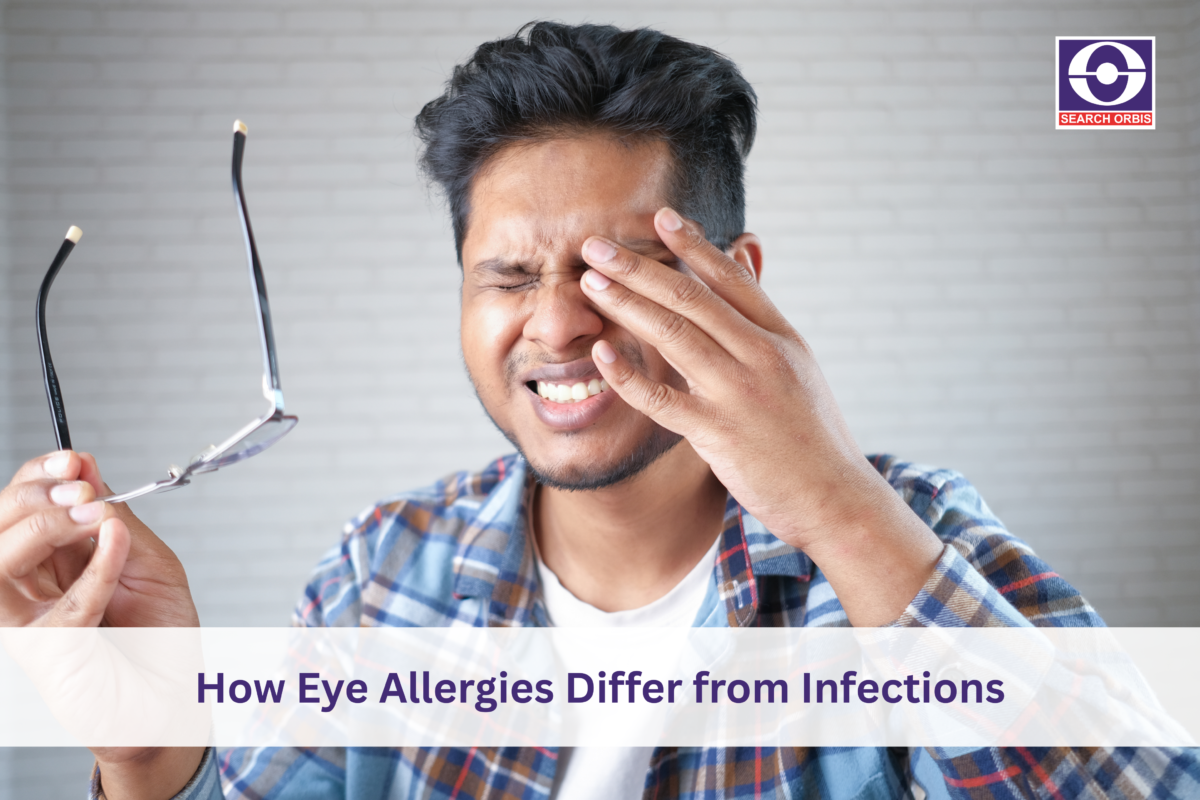
How Eye Allergies Differ from Infections
Eye allergies are commonly mistaken for infections.
Allergy is usually bilateral (both eyes) and itchy, no thick discharge. Eye infections can cause pain, yellow discharge or a fever.
Seeking proper diagnosis avoids unnecessary treatments
Understanding Eye Allergy Drops
Modern allergy drops are designed to reduce inflammation, block histamine release and provide lubrication for irritated eyes.
Different products work differently depending on their ingredients and treatment goals.
Best Eye Drops for Allergies
The best eye drops for allergies typically contain antihistamines, mast cell stabilizers, lubricants or combination ingredients.
Recommended options often depend on:
- Symptom severity
- Allergy duration
- Eye sensitivity
- Frequency of use
Some commonly discussed options include:
- AKXN Eye Drops
- AKSHCARE Eye Drops
- Zed+ Eye Drops
Patients should always follow medical guidance before starting any eye medication.
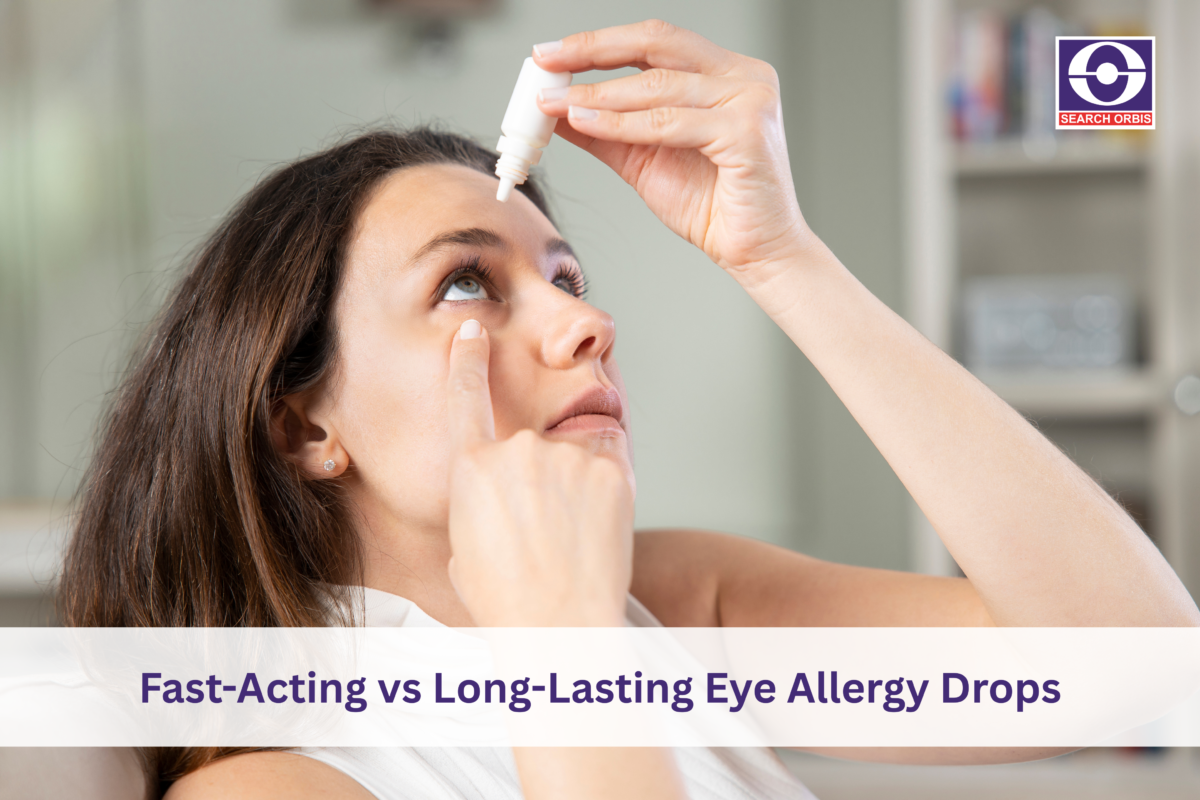
Fast-Acting vs Long-Lasting Eye Allergy Drops
Understanding fast-acting vs long-lasting eye allergy drops helps users choose treatment based on symptom intensity and lifestyle needs.
Fast Relief Eye Allergy Drops
Fast relief eye allergy drops are designed to reduce itching and redness quickly.
These formulas are often useful when symptoms suddenly worsen after exposure to pollen, dust or smoke.
Benefits may include:
- Quick itch relief
- Reduced redness
- Temporary comfort improvement
- Easier daily functioning
However, some fast-acting products may not provide all-day protection.
Long Lasting Allergy Eye Drops
Long lasting allergy eye drops are formulated for extended symptom control.
These are commonly preferred by people who experience prolonged allergy exposure throughout the day.
Advantages may include:
- Longer protection
- Reduced need for frequent application
- Better symptom prevention
- Improved convenience
Long-lasting products are often beneficial during peak allergy seasons.
What Dual-Action Eye Drops Mean
Many newer products are marketed as dual action eye drops, but patients may not fully understand what that means.
What Dual-Action Eye Drops Mean
Understanding what dual-action eye drops mean is important for selecting effective treatment.
Usually, dual-action formulas combine:
1. Antihistaminic activity
2. Mast cell stabilisation
This means that the drops can:
• Immediate Relief of Symptoms
• Help prevent future allergic reactions
These products may provide two-pronged rather than single-pronged allergy relief, offering better long-term symptom control.
Benefits of Dual Action Eye Drops
Potential benefits include:
- Faster symptom improvement
- Longer-lasting comfort
- Reduced allergy flare-ups
- Better convenience for daily users
Some individuals find dual-action products particularly useful during severe allergy seasons.
How to Choose the Right Eye Drops
Choosing the safest and most effective product depends on symptom type, severity and overall eye health.
Understanding how to choose the right eye drops can prevent unnecessary irritation or improper treatment.
Factors to Consider Before Buying Eye Drops
Important considerations include:
- Frequency of symptoms
- Contact lens use
- Existing eye conditions
- Allergy severity
- Sensitivity to preservatives
People with chronic eye problems should avoid self-medication without professional advice.
Preservative-Free vs Preserved Drops
Preservative-free drops are often recommended for:
- Sensitive eyes
- Frequent daily use
- Dry eye sufferers
Some preserved drops may cause irritation when overused.
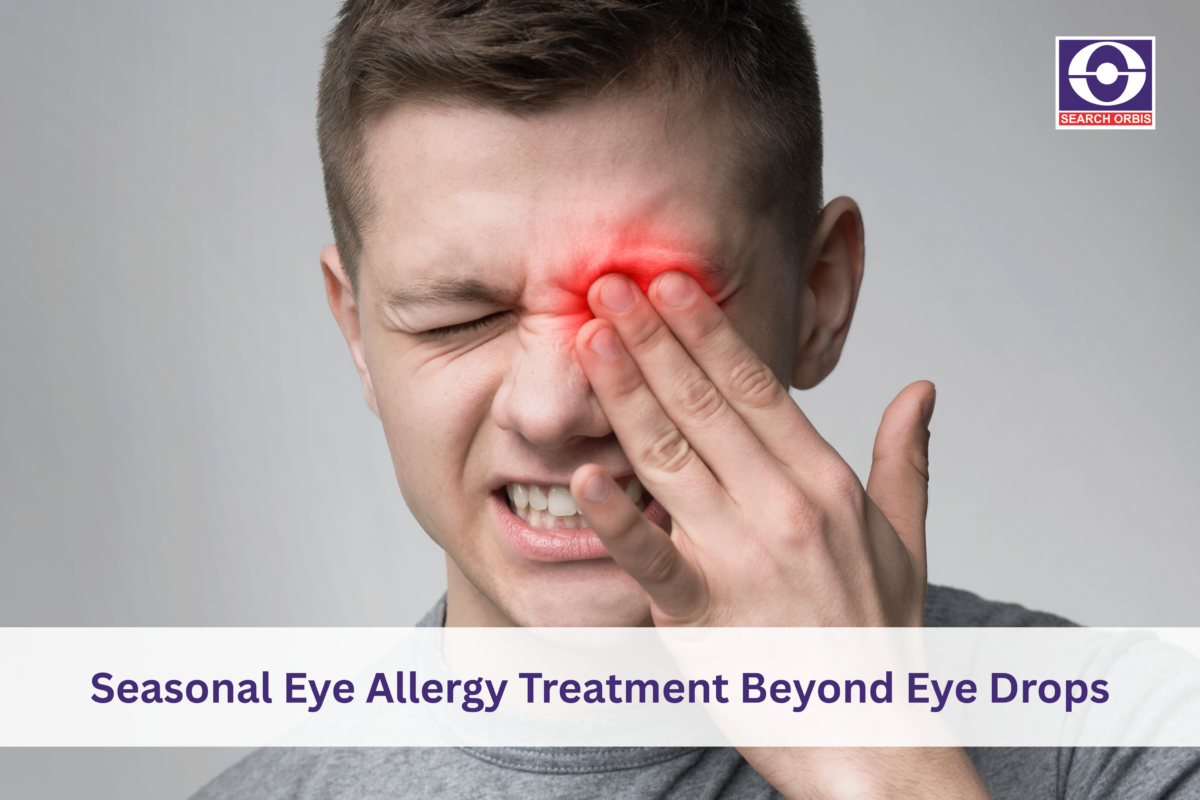
Seasonal Eye Allergy Treatment Beyond Eye Drops
While allergy drops help control symptoms, complete seasonal eye allergy treatment may require additional lifestyle measures.
Reducing Allergen Exposure
Helpful prevention strategies include:
- Wearing sunglasses outdoors
- Keeping windows closed during high pollen days
- Using air purifiers
- Washing hands frequently
- Avoiding rubbing the eyes
Reducing allergen exposure lowers the frequency and severity of symptoms.
Importance of Eye Hygiene
Maintaining clean eyelids and avoiding contaminated cosmetics can reduce irritation and inflammation.
People should also avoid sharing eye makeup or towels.
When to See an Eye Specialist
Many mild allergy symptoms improve with proper care, but some situations require medical evaluation.
Knowing when to see an eye specialist is important for protecting long-term eye health.
Warning Signs That Need Medical Attention
Seek professional help if experiencing:
- Severe eye pain
- Vision changes
- Extreme redness
- Thick discharge
- Swelling around the eyes
- Symptoms lasting several weeks
These symptoms may indicate infection or more serious eye conditions.
Importance of Professional Diagnosis
An eye specialist can:
- Confirm allergy causesw
- Rule out infections
- Recommend suitable medications
- Monitor chronic eye conditions
Proper diagnosis improves treatment safety and effectiveness.
Lifestyle Tips for Better Eye Allergy Control
Healthy habits can reduce recurring allergy discomfort.
Helpful lifestyle changes include:
- Staying hydrated
- Sleeping adequately
- Limiting screen strain
- Eating antioxidant-rich foods
- Avoiding smoke exposure
Consistent care supports better eye comfort during allergy season.
Why Trust Search orbis for Eye Health Information
Reliable health education helps patients make informed treatment decisions.
At Search orbis , readers receive informative wellness content designed to improve understanding of allergy management, eye care and preventive healthcare strategies.
Educational articles based on current healthcare insights help individuals better navigate common health concerns safely and responsibly.
FAQs About Eye Allergy Drops
Q1: What causes seasonal eye allergies?
Pollen, dust, mold, smoke and pet dander are among the most common triggers.
Q1: Are dual-action eye drops better than regular allergy drops?
Dual-action formulas may provide both immediate relief and longer-lasting allergy prevention.
Q2: Can eye allergy drops be used daily?
Some products are suitable for daily use, but prolonged use should follow medical guidance.
Q3: How quickly do allergy eye drops work?
Fast-acting products may begin relieving symptoms within minutes, depending on the formula.
Q4: When should someone see an eye specialist for allergies?
Professional evaluation is recommended for severe pain, blurred vision, swelling or persistent symptoms.
Q5: Can allergy eye drops help with redness and itching?
Yes. Many allergy drops are specifically designed to reduce itching, redness and irritation.
Conclusion
With allergy seasons lasting longer and longer, it’s more important than ever to understand how various eye allergy drops work. The choice between fast-relief, long-lasting and dual-action treatments depends on individual symptoms, lifestyle and allergy severity.
With proper eye care, allergen avoidance and expert medical guidance, patients can better manage seasonal allergies and protect long-term eye health. Search orbis provides educational support to keep the readers updated about modern healthcare solutions and smarter ways to manage allergies.
Related Posts
Eye Floaters: When Are They Normal and When Should You Worry?
-
Posted by
 Search Orbis