Blog
Eye Floaters: When Are They Normal and When Should You Worry?

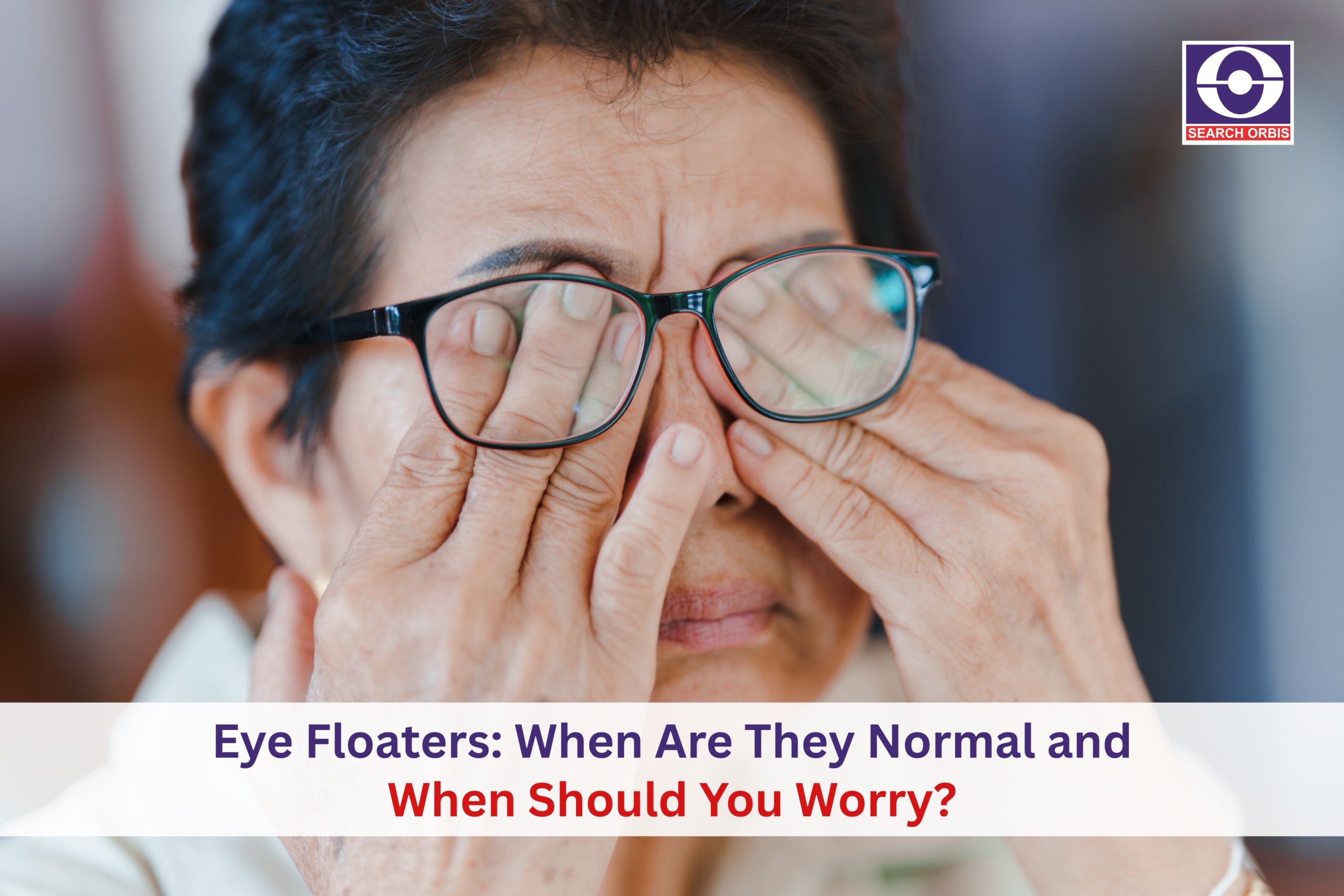
Do you ever see little spots, threads, cobwebby shapes or shadowy specks moving across your field of vision? These visual disturbances are commonly referred to as eye floaters. Floaters are a normal part of aging for many people and are not a serious health problem. But sometimes, they may be a sign of a serious eye condition that requires urgent medical attention.
Because floaters often appear suddenly or become more noticeable over time, they can cause concern and raise questions about eye health. While most cases are harmless, understanding the difference between normal floaters and potentially dangerous symptoms is essential for protecting your vision.
At Search Orbis, we believe that informed health decisions begin with accurate, evidence-based information. This comprehensive guide explains what eye floaters are, why they occur, when they are harmless, and when they may require urgent evaluation by an eye care professional.
Understanding Eye Floaters
What Eye Floaters Are
To understand the condition, it is important to know what eye floaters are and why they appear in your field of vision.
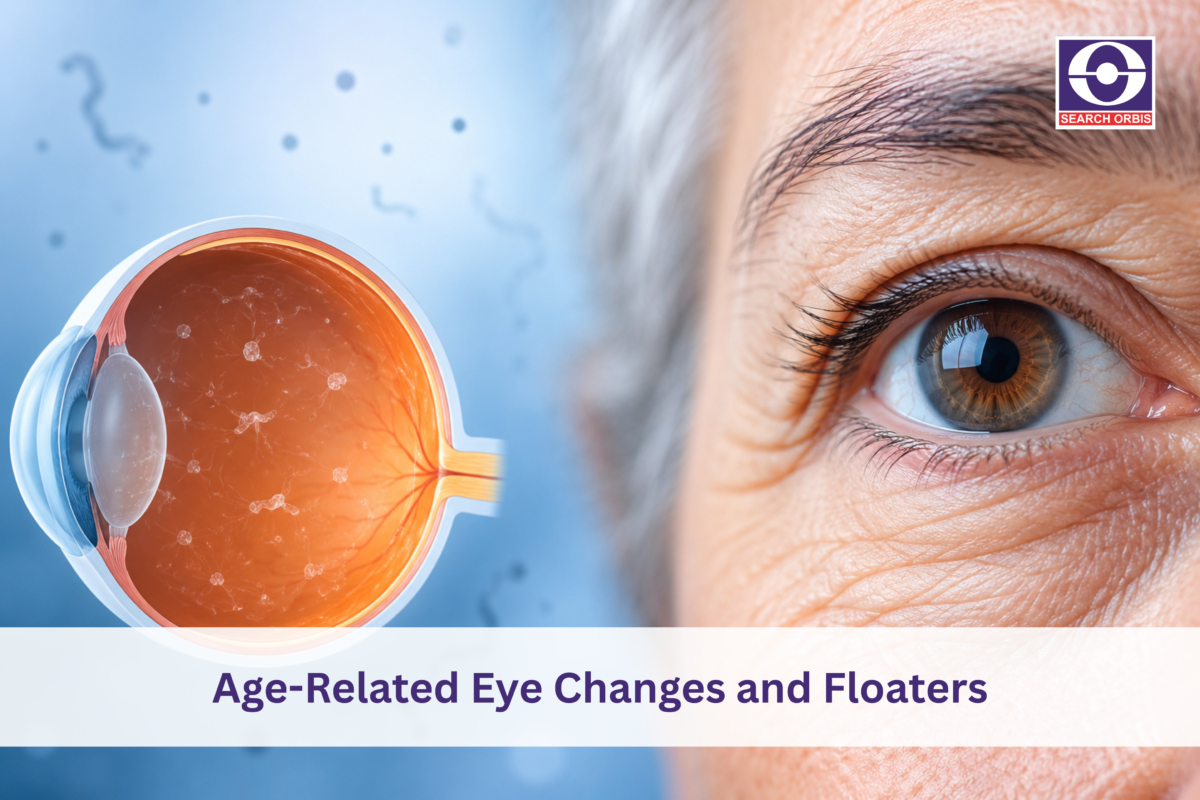
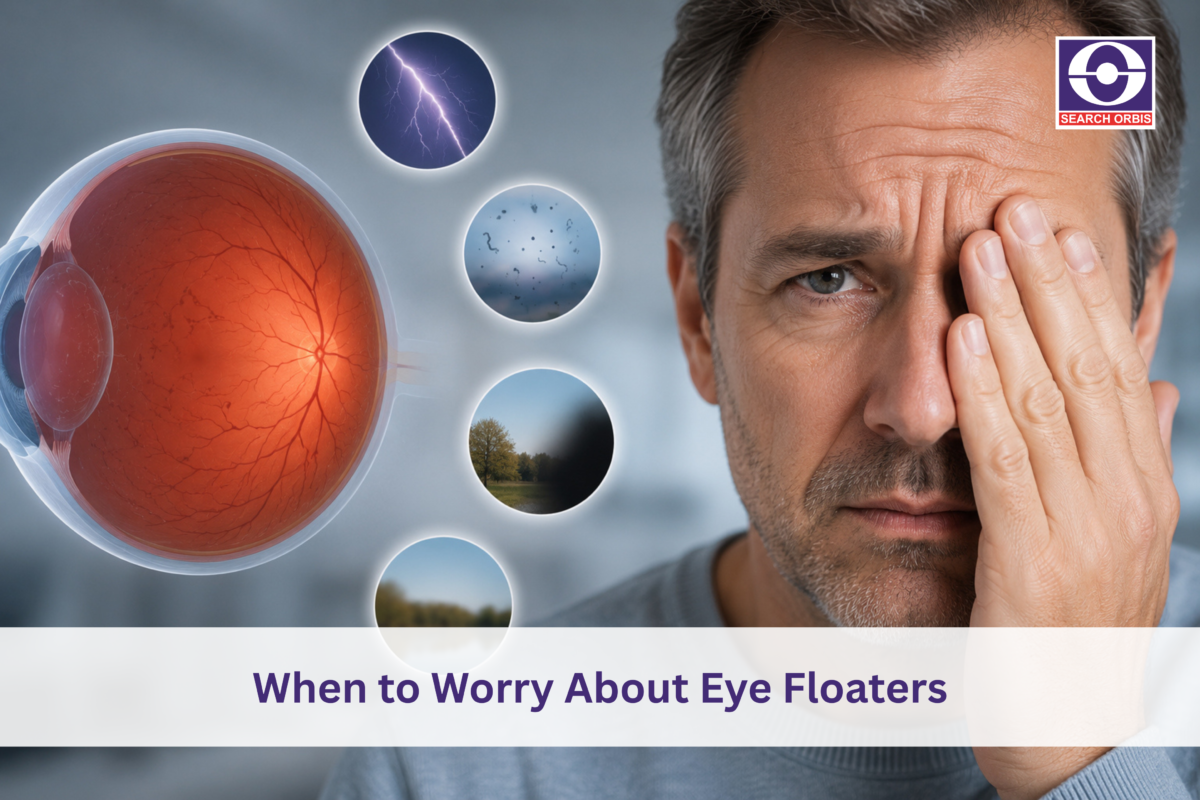
Floaters are tiny clumps of collagen fibers or microscopic bits of debris that form in the vitreous humor, the gel-like substance that fills the inside of the eye. When light enters the eye, these particles cast shadows on the retina, giving the impression that there are floating shapes that move when you move your eyes.
People commonly describe floaters as:
• Tiny black dots
• Clear strings
• Cobweb designs
• Curvy lines
• Shadows drifting
Although they may seem to be on the surface of the eye, they are actually located inside the vitreous gel.
Why Floaters Move
One characteristic that distinguishes floaters is their tendency to move when you shift your gaze. When your eyes move, the vitreous gel moves as well, causing the floaters to drift. This often makes them more noticeable against bright backgrounds such as a blue sky, a white wall, or a computer screen.
What Causes Eye Floaters?
Natural Changes Inside the Eye
Many people wonder what causes eye floaters as they get older.
The most common reason is because of natural changes in the vitreous with age. Over time, the gel inside the eye is gradually becoming more liquid and less uniform. In this process little fibers of collagen can bunch up and cast shadows on the retina.
This change is considered a normal part of aging and affects a large percentage of adults.
Common Causes of Eye Floaters
Several factors can contribute to the development of floaters.
The most frequently observed common causes of eye floaters include aging, nearsightedness, eye injuries, inflammation and previous eye surgeries. In some cases, floaters may also occur after retinal procedures or as a result of underlying eye diseases.
Understanding the cause is important because it helps determine whether the floaters are harmless or require further investigation.
Age-Related Eye Changes and Floaters
How Aging Affects Vision
One of the primary contributors to floaters is age-related eye changes. As individuals enter their forties, fifties and beyond, the vitreous gel begins to shrink and lose its smooth consistency.
These structural changes can cause fibers within the gel to become more visible, resulting in the appearance of floaters.
Posterior Vitreous Detachment
The vitreous may continue to shrink and pull away from the retina. This condition, called posterior vitreous detachment, is quite common in most older adults.
It can occur without serious complications, but it can also increase the risk of retinal tears. If you notice symptoms suddenly, it is important to have it evaluated by a professional.
When Floaters Are Harmless
Recognizing Normal Floaters
Understanding when floaters are harmless can provide reassurance for many individuals.
In most cases, floaters are not dangerous and become less noticeable over time as the brain gradually adapts to their presence. People who have had stable floaters for months or years without other visual symptoms generally do not experience vision-threatening complications.
Normal floaters tend to:
- Appear gradually
- Remain relatively stable
- Cause minimal visual disruption
- Occur without flashes of light
- Not affect overall vision quality
Living with Mild Floaters
Many people learn to ignore floaters as they become accustomed to them. While they may occasionally drift into the line of sight, they often become less bothersome over time.
Routine eye examinations remain important, even when floaters appear harmless.
Are Eye Floaters Dangerous?
Understanding Potential Risks
A common question asked by patients is, are eye floaters dangerous?
The answer depends on the circumstances. Most floaters are benign and related to aging. However, certain symptoms may indicate a more serious problem involving the retina or other structures within the eye.
Why Monitoring Symptoms Matters
Changes in the number, appearance or frequency of floaters should never be ignored.
Prompt evaluation can help identify retinal tears, retinal detachment or other conditions before permanent vision loss occurs.
Eye Floaters and Flashes
Understanding Eye Floaters and Flashes
The combination of eye floaters and flashes deserves special attention.
Flashes appear as brief bursts of light, lightning streaks or flickering sensations within the visual field. These symptoms often occur when the vitreous pulls on the retina.
While flashes can be harmless in some cases, they may also indicate retinal traction or injury.
Why Flashes Increase Concern
When floaters occur alongside flashes, eye care professionals often recommend a comprehensive retinal examination to rule out serious complications.
The combination of these symptoms should always be taken seriously.
Sudden Changes That Require Attention
Sudden Increase in Eye Floaters
A sudden increase in eye floaters is one of the most important warning signs to recognize.
If you suddenly notice dozens of new floaters appearing within a short period, this could indicate a retinal tear or other serious condition.
Any rapid change should be evaluated promptly by an eye specialist.
Changes in Visual Quality
Blurred vision, dark shadows or the sensation of a curtain moving across part of your vision may signal retinal detachment.
Immediate medical attention is essential if these symptoms occur.
When to Worry About Eye Floaters
Warning Signs That Require Immediate Medical Attention
Knowing when to worry about eye floaters may help protect long-term vision.
Some symptoms require prompt evaluation by an eye care professional.
These include sudden onset floaters, flashes of light, loss of peripheral vision, visual shadows or rapid changes in the quality of vision.
If these symptoms are seen, they may be a sign of retinal damage that requires prompt treatment.
Why Early Diagnosis Matters
Many retinal conditions respond best when diagnosed early.
Delaying treatment may increase the risk of permanent visual impairment, making timely medical evaluation extremely important.
Diagnosing the Cause of Floaters
Comprehensive Eye Examination
When evaluating floaters, eye specialists typically perform a detailed examination of the retina and vitreous.
This assessment helps determine whether the floaters are related to normal aging or an underlying medical condition.
Imaging and Specialized Testing
In some cases, additional imaging studies may be used to assess retinal health and identify structural abnormalities within the eye.
These tests help guide treatment recommendations and monitor disease progression.
Treatment for Eye Floaters
Observation and Monitoring
For most individuals, treatment for eye floaters is not necessary.
Because many floaters become less noticeable over time, eye care professionals often recommend observation rather than immediate intervention.
Regular eye examinations help ensure that no underlying complications develop.
Treatment Options for Severe Floaters
In rare cases where floaters significantly interfere with daily activities, treatment options for severe floaters may be considered.
Available treatments can include laser procedures or vitrectomy surgery. These interventions are typically reserved for individuals experiencing substantial visual impairment due to persistent floaters.
Treatment decisions should always be made in consultation with a qualified eye specialist.

Protecting Long-Term Eye Health
Maintaining Healthy Vision
While not all floaters can be prevented, maintaining overall eye health may reduce the risk of certain vision problems.
Regular eye examinations, proper management of chronic conditions and prompt evaluation of new symptoms support long-term visual wellness.
The Importance of Routine Checkups
Even individuals without noticeable vision concerns should schedule periodic eye examinations.
Early detection remains one of the most effective ways to preserve eye health and identify potential issues before they become serious.
At Search Orbis, we encourage proactive healthcare decisions that prioritize prevention and early diagnosis.
Frequently Asked Questions (FAQs)
Q1: What are eye floaters?
Eye floaters are tiny particles or collagen clumps inside the vitreous gel that cast shadows on the retina and appear as floating shapes in vision.
Q2: Are eye floaters normal?
Yes. Most floaters are a normal part of aging and do not indicate a serious problem.
Q3: When should I be concerned about floaters?
Sudden onset floaters, flashes of light, vision loss or dark shadows require immediate medical evaluation.
Q4: Can eye floaters disappear?
Floaters may not completely disappear, but many become less noticeable over time as the brain adapts.
Q5: Do floaters always indicate retinal detachment?
No. Most floaters are harmless, although sudden changes should be evaluated to rule out retinal complications.
Q6: Can younger people develop floaters?
Yes. Although more common with age, floaters can occur in younger individuals, particularly those who are nearsighted.
Q7: Is treatment always necessary?
No. Most people do not require treatment unless floaters significantly interfere with vision.
Conclusion
In most cases, eye floaters are a normal part of aging and do not pose a serious threat to your vision. If people understand the causes, know what the normal symptoms are, and are aware of the warning signs, they can make informed decisions about their eye health. If floaters are mild, they can often be watched. Sudden changes in vision should never be ignored.
At Search Orbis, we are committed to providing trustworthy health information that empowers readers to take proactive steps toward better well-being. If you experience new floaters, flashes of light or any significant visual changes, scheduling an evaluation with an eye care professional is the best way to protect your vision and ensure appropriate care.
Related Posts
Glaucoma: Early Warning Signs, Risk Factors & Treatment Options
-
Posted by
 Search Orbis
How Diabetes Affects Your Eyes: A Complete Guide to Diabetic Eye Disease
-
Posted by
Search Orbis
Why Is My Vision Blurry? 10 Common Causes Explained
-
Posted by
Search Orbis
Why Are My Eyes Twitching? Causes, Stress, Screen Time & When to See a Doctor
-
Posted by
Search Orbis
Eye Allergy Season Is Getting Longer: Which Drops Work Fast, Which Work Long and What “Dual-Action” Means
-
Posted by
Search Orbis