Blog
How Diabetes Affects Your Eyes: A Complete Guide to Diabetic Eye Disease

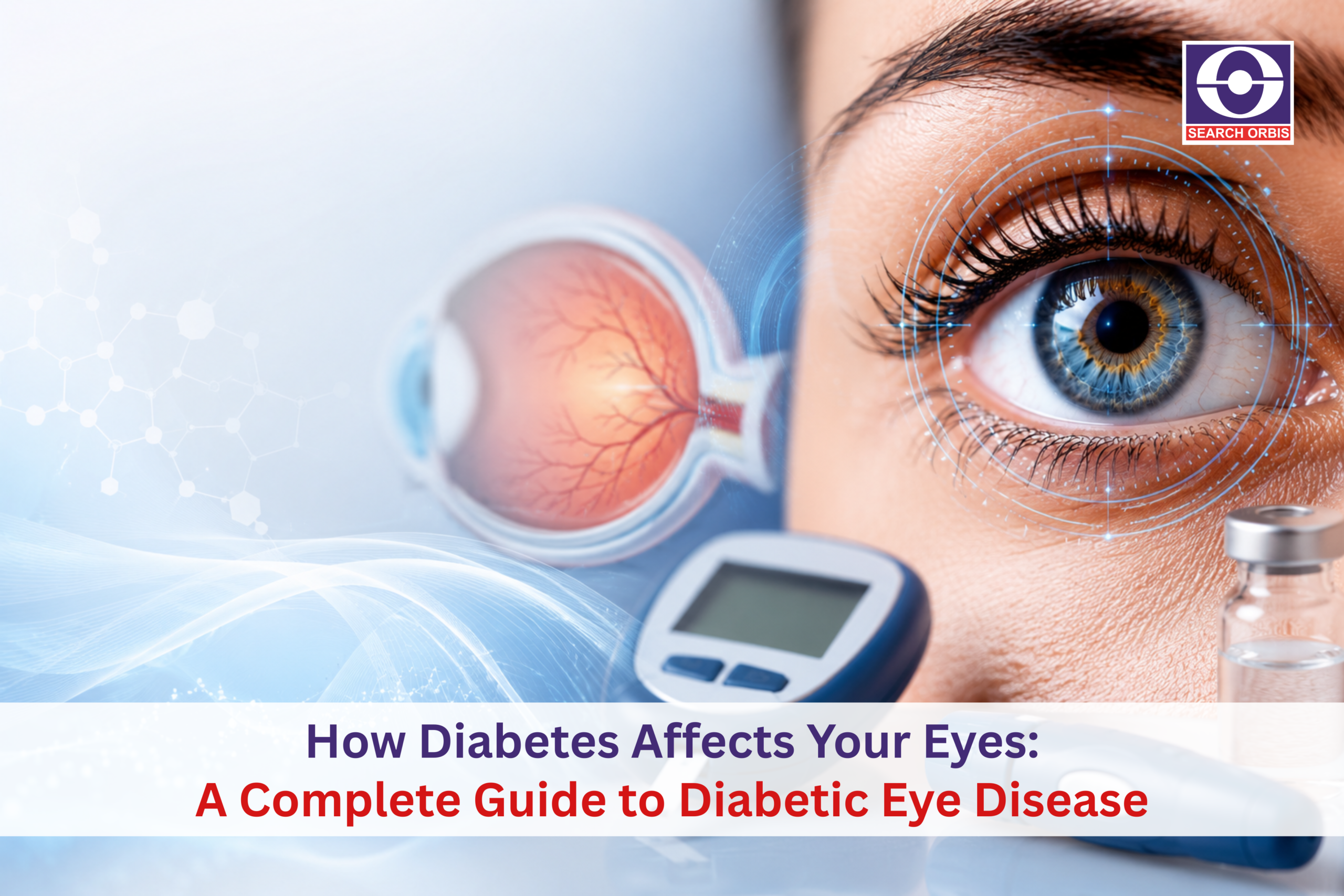
Diabetes affects much more than blood sugar. Over time, high blood glucose levels can damage blood vessels and other tissues throughout the body, including the delicate structures responsible for healthy vision.
One important concern is diabetic eye disease, a term that covers several eye conditions associated with diabetes. Some of these problems may develop gradually without noticeable symptoms in their early stages. By the time vision changes become obvious, damage may already have progressed.
This is why people living with diabetes should not wait for blurred vision or other symptoms before thinking about their eye health.
Regular diabetes management, timely comprehensive eye examinations, and early treatment when required can help protect vision and reduce the risk of serious complications.
At Search Orbis, health information is presented with a focus on clear, useful, and responsible patient education. Understanding the relationship between diabetes and eye health can help patients ask better questions, recognize concerning changes, and seek professional care at the right time.
This guide explains how diabetes can affect your eyes, the conditions associated with it, symptoms you should recognize, the importance of screening, and practical steps that may help protect your vision.
Understanding How Diabetes Affects Eyes
Persistently high blood sugar can damage small blood vessels throughout the body. The retina—the light-sensitive tissue at the back of the eye—contains a network of tiny blood vessels that can be particularly vulnerable.
Damage may develop gradually.
Why High Blood Sugar Can Affect Vision
When blood glucose remains uncontrolled over time, blood vessels in the retina may weaken, leak fluid, become blocked, or develop other abnormal changes.
Diabetes may also affect vision in different ways.
For example, short-term changes in blood sugar can sometimes cause temporary changes in focusing and blurred vision. Longer-term damage can contribute to more serious eye conditions.
The risk of complications may be influenced by factors such as:
- How long a person has had diabetes
- Blood glucose control
- Blood pressure
- Cholesterol levels
- Kidney health
- Pregnancy in people with diabetes
- Smoking and other health factors
Good diabetes management therefore plays an important role in protecting both general and eye health.
What Is Diabetic Retinopathy?
Diabetic retinopathy is a diabetes-related condition that affects blood vessels in the retina.
It is particularly important because early changes may not immediately affect vision. A person may feel that their eyesight is completely normal while retinal damage is developing.
How Retinal Damage Progresses
In earlier stages, small retinal blood vessels may weaken or leak.
As the condition progresses, more significant changes can occur. In advanced disease, abnormal new blood vessels may develop. These fragile vessels can bleed and contribute to serious complications.
The condition is generally classified into stages based on the type and severity of retinal changes.
Early detection matters because treatment decisions and follow-up schedules depend on how advanced the disease is.
A comprehensive dilated eye examination allows an eye care professional to examine the retina for changes that may not be noticeable to the patient.
Diabetes and Vision Problems Can Develop Gradually
Not every visual change in a person with diabetes means permanent eye damage.
Blood glucose fluctuations can sometimes affect vision temporarily, while other changes may indicate an eye condition requiring medical attention.
Why Blurred Vision Should Not Be Self-Diagnosed
Blurred vision may have many causes.
In someone with diabetes, possible explanations can include changes related to blood glucose, retinal disease, cataracts, or other unrelated eye conditions.
This is why it is important not to assume that changing a glasses prescription will solve every new vision problem.
If blurred vision is persistent, worsening, sudden, or associated with other symptoms, an eye examination is important.
Sudden severe visual changes should be assessed urgently rather than waiting for a routine appointment.
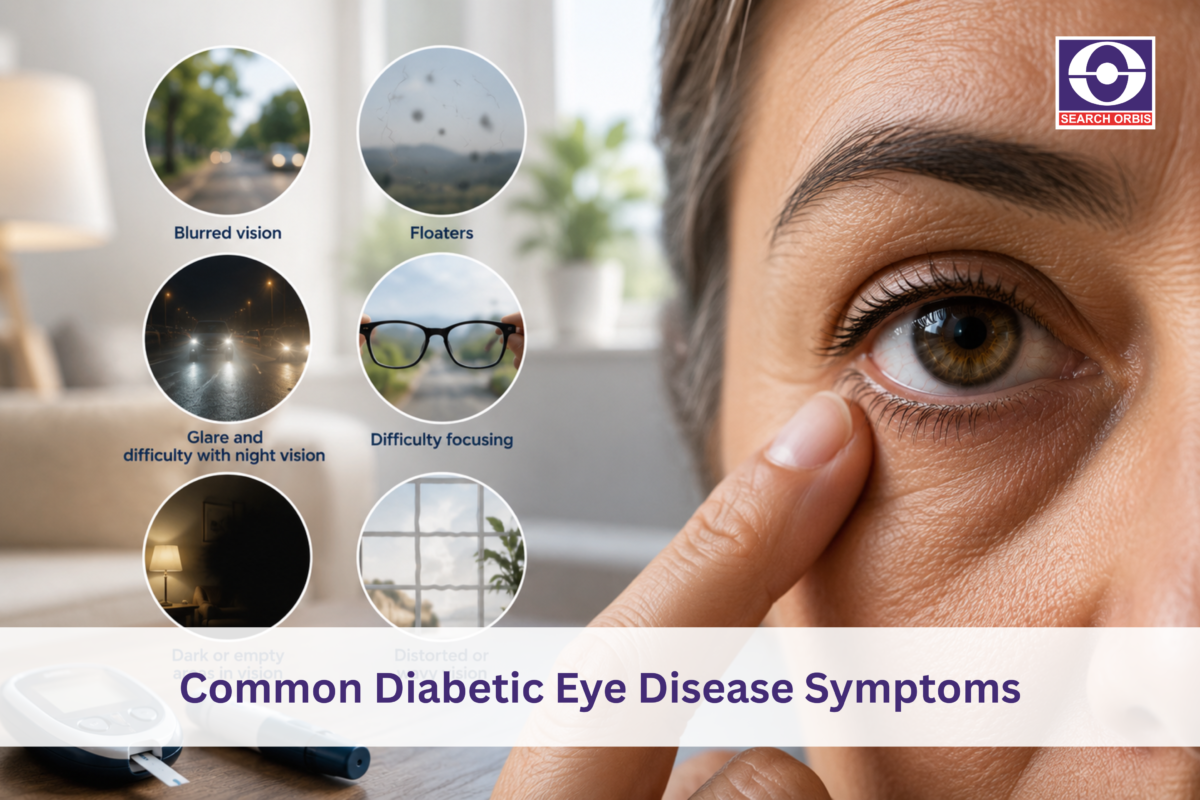
Common Diabetic Eye Disease Symptoms
One of the challenges with diabetes-related eye conditions is that early disease may cause no obvious warning signs.
Symptoms are more likely to appear as certain conditions progress or begin affecting important areas of the eye.
Vision Changes You Should Pay Attention To
Possible diabetic eye disease symptoms may include:
- Blurred or fluctuating vision
- Dark spots in your field of vision
- New floaters
- Difficulty seeing clearly at night
- Colours appearing less vivid
- Areas of missing or reduced vision
- Sudden changes in eyesight
These symptoms do not automatically confirm a specific diagnosis.
However, they should not be ignored, particularly in a person with diabetes.
Routine eye examinations remain important even when none of these symptoms are present.
Diabetic Macular Edema and Central Vision
The macula is the part of the retina responsible for detailed central vision. It helps with tasks such as reading, recognizing faces and seeing fine detail.
Diabetes-related retinal blood vessel damage can sometimes lead to fluid accumulation and swelling in this important area.
Why Macular Changes Matter
When the macula is affected, a person may notice:
- Blurred central vision
- Difficulty reading
- Reduced visual detail
- Changes in colour perception
The impact can vary depending on the severity and location of the swelling.
Eye specialists can use examinations and imaging tests to assess the retina and determine whether monitoring or treatment is needed.
Early evaluation is especially important when central vision begins to change.
Other Eye Problems Caused by Diabetes
Diabetes can affect the eyes in more than one way.
People with diabetes may have an increased risk of several eye conditions, making comprehensive eye care particularly important.
Cataracts and Diabetes
A cataract occurs when the natural lens inside the eye becomes cloudy.
People with diabetes may develop cataracts earlier or experience faster progression compared with people without diabetes.
Common symptoms can include:
- Blurry or cloudy vision
- Increased glare
- Difficulty seeing at night
- Faded colours
- Frequent changes in glasses prescription
Cataracts can often be treated effectively with surgery when they significantly interfere with daily activities, but the timing and approach should be discussed with an eye specialist.
Glaucoma Risk and Eye Pressure
Glaucoma refers to a group of conditions that damage the optic nerve and can lead to permanent vision loss.
Some forms progress gradually without obvious early symptoms.
People with diabetes may have a higher risk of certain types of glaucoma, which is another reason comprehensive eye examinations can be valuable.
Eye pressure is only one part of glaucoma assessment. An eye care professional may also evaluate the optic nerve and perform other tests when clinically appropriate.
Why Diabetic Eye Screening Is So Important
Waiting until eyesight becomes noticeably worse is not an effective prevention strategy.
Some diabetes-related retinal changes can develop before a person notices symptoms.
Screening Can Detect Changes Before You Notice Them
Diabetic eye screening or comprehensive retinal evaluation can help identify early changes and determine whether closer monitoring or treatment is required.
Depending on the healthcare setting and individual needs, evaluation may involve:
- Visual acuity testing
- Dilated retinal examination
- Retinal photography
- Optical coherence tomography when indicated
- Other specialized tests when required
The type and frequency of examination should be based on professional medical guidance.
Screening is not simply about checking whether you need new glasses. Its purpose is to assess eye health and identify potentially important changes.
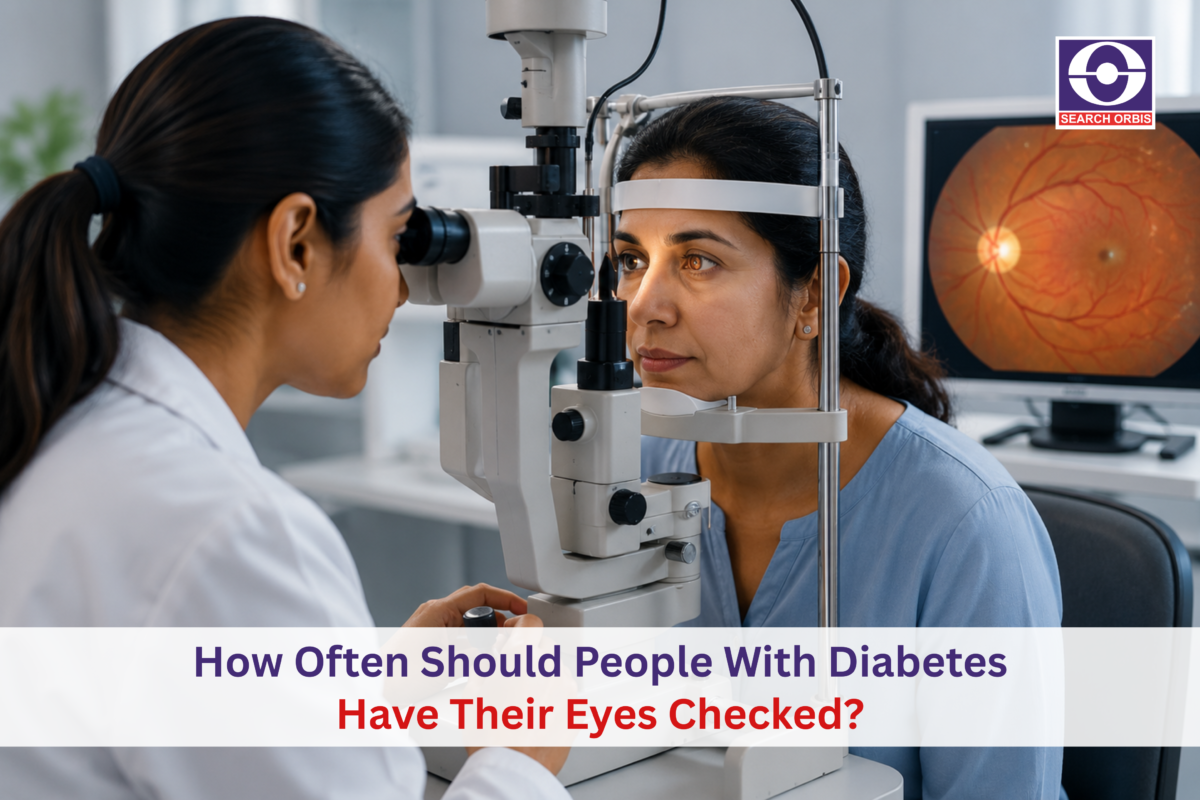
How Often Should People With Diabetes Have Their Eyes Checked?
There is no single examination schedule that is appropriate for every patient in every situation.
Recommendations can depend on the type of diabetes, duration of disease, pregnancy status, previous eye findings, and overall health.
Follow an Individualized Screening Schedule
Your doctor or eye care professional can advise how often you need an examination based on your circumstances.
People who already have retinal changes may require more frequent monitoring than those without detectable disease.
Pregnancy may also require special attention for people with pre-existing diabetes because retinal changes can progress during this period.
The most important rule is simple: do not wait for symptoms before discussing eye screening with your healthcare team.
Who Is at Greater Risk of Diabetes-Related Eye Problems?
Anyone with diabetes can develop eye complications, but risk is not identical for everyone.
Certain factors can increase the likelihood or severity of retinal damage.
Important Risk Factors to Know
Risk may be higher with:
- Longer duration of diabetes
- Poorly controlled blood glucose
- High blood pressure
- Abnormal cholesterol levels
- Kidney disease
- Smoking
- Pregnancy in people with pre-existing diabetes
Some of these factors can be managed.
Working with healthcare professionals to improve blood sugar, blood pressure, and other cardiovascular risk factors can support long-term eye health as well as overall well-being.
How Are Diabetes-Related Eye Conditions Diagnosed?
Diagnosis begins with a detailed eye assessment rather than symptoms alone.
An eye care professional may ask about your diabetes history, medications, vision changes, previous eye conditions and general health.
Tests Your Eye Specialist May Use
Depending on your needs, evaluation may include:
- Vision testing
- Dilated eye examination
- Retinal imaging
- Optical coherence tomography
- Eye pressure measurement
- Other specialized imaging when clinically indicated
Not every patient needs every test.
The examination should be personalized according to symptoms, previous findings, and the suspected condition.
This targeted approach helps identify clinically meaningful changes without assuming that every person with diabetes requires the same investigations.
Treatment Depends on the Type and Stage of Eye Disease
Treatment is not identical for every diabetes-related eye condition.
Some early changes may be monitored closely while the patient works on controlling systemic risk factors. More advanced disease may require specific ophthalmic treatment.
Possible Treatment Approaches
Depending on the diagnosis, treatment may involve:
- Closer observation
- Improved management of diabetes and blood pressure
- Eye injections for certain retinal conditions
- Laser treatment in selected cases
- Surgery for specific advanced complications
- Cataract surgery when appropriate
The exact treatment should be recommended by a qualified eye specialist after a complete evaluation.
Early diagnosis often provides more opportunities to manage disease before severe vision loss occurs.
Can Vision Loss From Diabetes Be Prevented?
Not every complication can be completely prevented, but the risk of serious vision problems can often be reduced through good diabetes management and timely eye care.
The most effective approach combines general medical care with regular eye assessment.
Control More Than Just Blood Sugar
Protecting your eyes involves managing your overall health.
Important steps may include:
- Following your diabetes treatment plan
- Monitoring blood glucose as advised
- Managing blood pressure
- Managing cholesterol
- Avoiding smoking
- Staying physically active when medically appropriate
- Attending recommended medical appointments
- Keeping scheduled eye examinations
Do not stop or change prescribed medication without discussing it with your healthcare professional.
Good long-term management is a team effort involving the patient and appropriate healthcare providers.
Warning Signs That Need Urgent Eye Care
Routine screening is important, but some symptoms should not wait for a scheduled appointment.
Sudden changes in vision may indicate an urgent eye problem.
Seek Prompt Medical Attention for Sudden Changes
Contact an eye care professional urgently if you experience:
- Sudden loss or significant reduction of vision
- A sudden increase in floaters
- Flashes of light
- A dark curtain or shadow across your vision
- Sudden severe blurring
- Significant eye pain with visual changes
These symptoms can have different causes and are not limited to diabetes.
Prompt assessment is important because some eye emergencies are time-sensitive.

Daily Habits That Support Better Eye Health
Medical appointments are essential, but everyday health decisions also matter.
Consistent habits can support diabetes control and reduce several risk factors associated with complications.
Build a Sustainable Routine
Focus on practical habits such as:
- Taking medication as prescribed
- Following an appropriate eating plan
- Staying physically active as advised
- Monitoring relevant health targets
- Getting adequate sleep
- Avoiding tobacco
- Attending routine medical and eye appointments
Avoid relying on unproven supplements or “natural cures” that claim to reverse eye disease.
If you are considering supplements or major dietary changes, discuss them with your healthcare professional, particularly if you take medication or have other health conditions.
Common Myths About Diabetes and Eye Health
Misinformation can cause people either to worry unnecessarily or delay important care.
Understanding a few common myths can make prevention easier.
Myth: “My Vision Is Fine, So My Eyes Must Be Healthy”
Clear vision does not always mean the retina is free from early disease.
Some retinal changes can develop before noticeable visual symptoms appear.
That is why routine examinations matter.
Myth: “Only People With Poorly Controlled Diabetes Need Eye Exams”
Good diabetes control can reduce risk, but it does not make regular eye care unnecessary.
Screening recommendations should still be followed according to professional advice.
Myth: “If Diabetes Affects My Eyes, I Will Definitely Go Blind”
A diagnosis does not automatically mean blindness.
Early detection, appropriate treatment, regular monitoring, and good management of diabetes can make a major difference to long-term outcomes.
How Search Orbis Supports Better Health Awareness
Reliable health information should help people understand when to seek care—not encourage self-diagnosis.
Complex medical topics become more useful when they are explained clearly and responsibly.
Making Health Information Easier to Understand
At Search Orbis, the goal is to provide accessible health education that helps readers better understand conditions, symptoms, risk factors, prevention, and the importance of professional medical care.
For people living with diabetes, awareness of eye health is particularly valuable because some complications can progress quietly.
Educational content can help patients prepare questions for their doctors, understand why screening matters, and recognize symptoms that deserve timely attention.
However, online information should complement—not replace—personalized advice from qualified healthcare professionals.
Frequently Asked Questions (FAQs)
Q: 1. Can diabetes damage your eyes?
Yes. Diabetes can affect blood vessels and other structures in the eyes, potentially contributing to retinal disease, cataracts, glaucoma, and other vision problems.
Q: 2. What are the first signs of diabetes-related eye problems?
Early disease may cause no symptoms. When symptoms occur, they may include blurred vision, floaters, difficulty seeing at night, or changes in visual clarity.
Q: 3. Can diabetic eye problems occur even if my vision seems normal?
Yes. Some retinal changes can develop before you notice any difference in your eyesight, which is why regular eye examinations are important.
Q: 4. How often should a person with diabetes get an eye exam?
The appropriate schedule depends on the type of diabetes, previous eye findings, pregnancy status, and individual risk. Follow the timing recommended by your healthcare professional.
Q: 5. Can better blood sugar control protect my eyesight?
Good diabetes management can help reduce the risk of complications. Blood pressure, cholesterol, smoking status, and regular eye care are also important.
Q: 6. Can diabetes-related vision loss be treated?
Treatment depends on the condition and its severity. Options may include monitoring, injections, laser treatment, or surgery. Early diagnosis can improve management opportunities.
Q: 7. When should I seek urgent care for vision changes?
Seek prompt medical attention for sudden vision loss, new flashes or many floaters, a curtain-like shadow, severe blurring, or other sudden significant visual changes.
Conclusion
Diabetes can affect the eyes in several ways, and some of the most important changes may begin without obvious symptoms.
Understanding diabetic eye disease is therefore not only about knowing what happens after vision becomes blurry. It is about recognizing that prevention and early detection should begin while vision still seems normal.
Regular eye examinations can help identify retinal and other eye changes at an earlier stage. Managing blood glucose, blood pressure, cholesterol, and other health factors may also reduce the risk of complications.
If you already notice changes in your eyesight, do not assume they are simply caused by ageing, tiredness, or a need for new glasses. A professional eye examination can help determine the underlying cause.
Sudden vision loss, flashes, a sudden increase in floaters, or a curtain-like shadow across your vision requires prompt medical attention.
At Search Orbis, the aim is to make important health information easier to understand so readers can make better-informed decisions and know when professional care is needed.
Living with diabetes requires ongoing attention, but protecting your vision does not have to be complicated. Manage your overall health, follow your recommended screening schedule, pay attention to new symptoms, and maintain regular communication with your healthcare team.
Your eyesight may feel perfectly normal today—and that is exactly why preventive eye care should not be postponed.
Medical Disclaimer:
This article is for general educational purposes only and does not replace professional medical advice, diagnosis, screening, or treatment. People with diabetes should discuss their individual eye examination schedule and any vision changes with a qualified healthcare professional.
Related Posts
Glaucoma: Early Warning Signs, Risk Factors & Treatment Options
-
Posted by
 Search Orbis
Why Is My Vision Blurry? 10 Common Causes Explained
-
Posted by
Search Orbis
Eye Floaters: When Are They Normal and When Should You Worry?
-
Posted by
Search Orbis
Why Are My Eyes Twitching? Causes, Stress, Screen Time & When to See a Doctor
-
Posted by
Search Orbis